
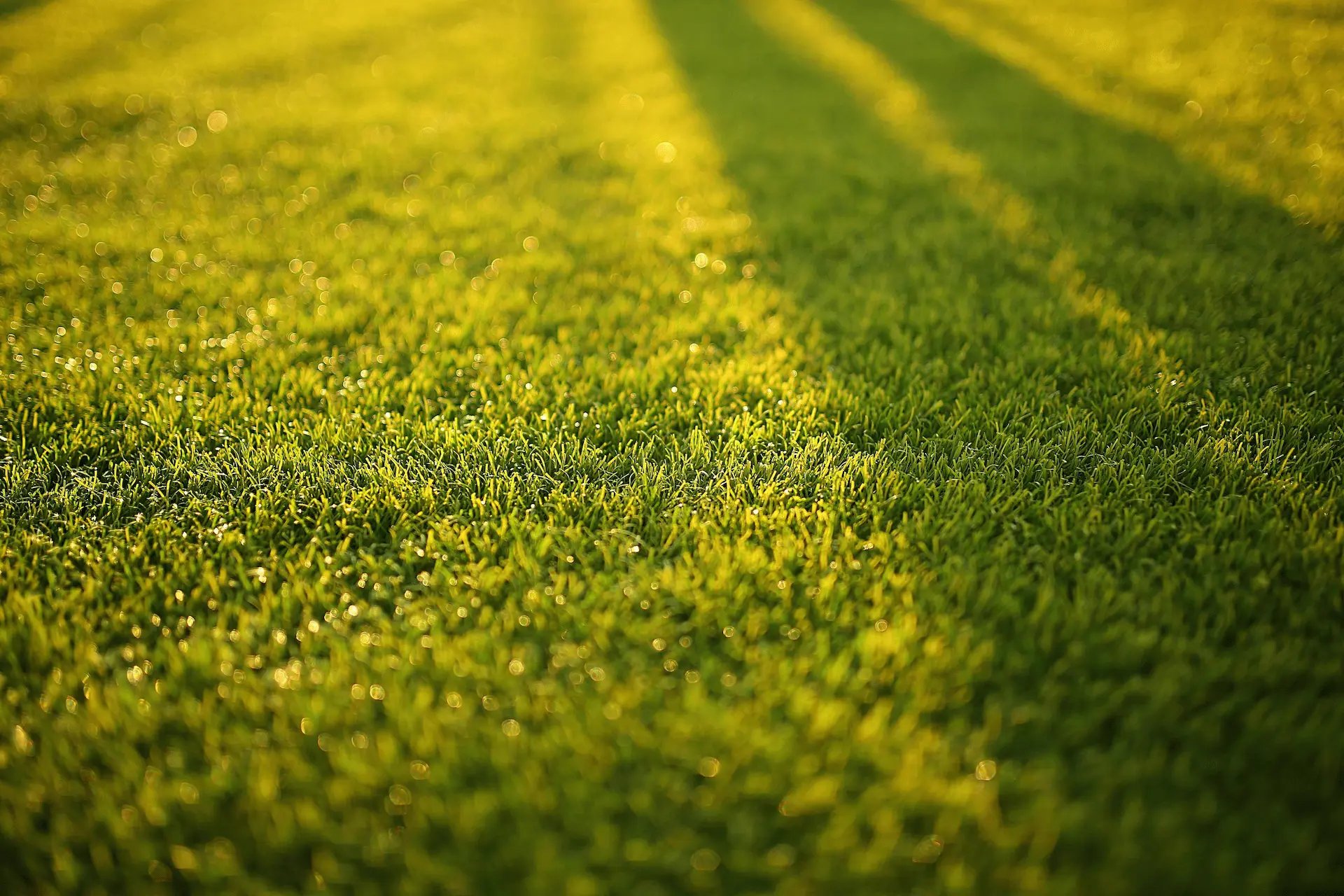
Artificial Turf
in Ripon
Tell us what you need and we'll price it for your yard. The estimate is free.
- ✓ Insured
- ✓ Locally owned
- ✓ Free estimates
Artificial turf & sod installation.

Professional Artificial Turf Installation in Ripon, California
Ripon is a town of roughly 14,000 people, and nearly every yard in it sits on one of two very different kinds of ground. Close to the Stanislaus River and out along River Road the soil is sandy loam — it drains fast, but it is loose, and it settles under foot traffic. Move toward the almond ground east of town and you get the opposite problem: dirt that orchard equipment packed down for decades, where water sits on the surface instead of soaking through. A synthetic lawn stays flat and tight for years only if the base underneath it was built for the dirt it is actually sitting on, and that is where most of our time on a turf job goes.
Palmstone Landscaping installs turf on the kind of lots Ripon has: a fenced back lawn behind a newer tract house near Cindy Drive, a shaded side yard on one of the older blocks off West Main Street, a dog run, a strip along a driveway where grass never filled in. We strip the old lawn, excavate, build and compact the rock base, set the drainage, seam the turf tight and finish the infill for how the space gets used. We are insured, we work Monday through Friday from 7:00 AM to 5:00 PM, and estimates are free — call (209) 593-6334 and we will come measure.
Green year-round,
zero maintenance!



Ripon Areas We Serve
We install artificial turf throughout Ripon:
North Ripon:
- Neighborhoods along the Stanislaus River
- Areas near Ripon High School on North Acacia Avenue
- Communities off River Road
East Ripon:
- Areas near Ripona Elementary on East Oregon Street
- The Jack Tone Road corridor
- Neighborhoods near Colony Oak
Central & Downtown:
- Historic downtown blocks off West Main Street
- Areas near Ripon Elementary on West Main Street
- Communities near North Maple Avenue
South & West:
- Neighborhoods near Mistlin Sports Park
- Areas near Weston Elementary on Stanley Drive
- Park View and Cindy Drive neighborhoods
Artificial Turf Schedule and Pricing
Service Days: Monday through Friday, 7:00 AM to 5:00 PM
Pricing: Ripon artificial turf installs run $8–$15 per sq ft, and what moves a yard inside that range is mostly the ground underneath it:
- Square footage of the area being converted
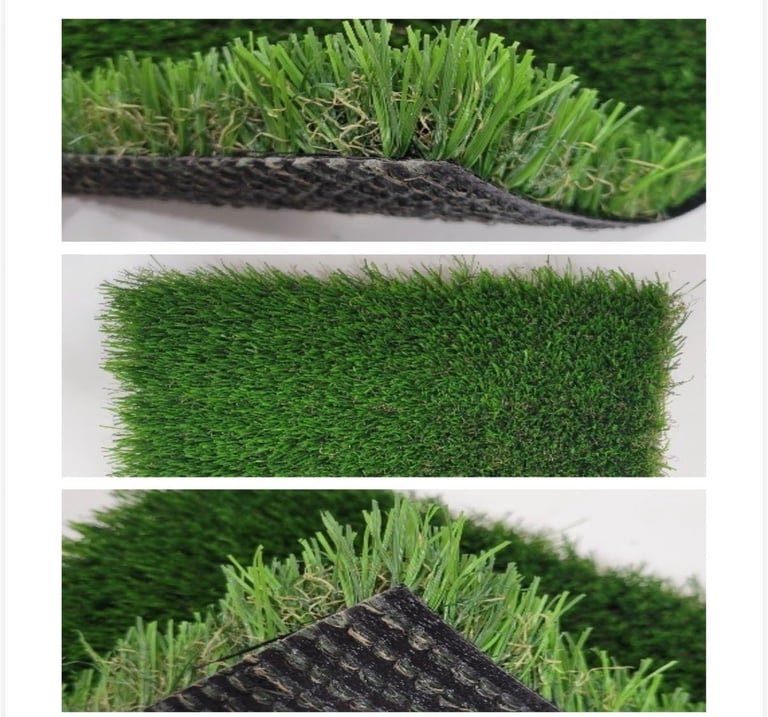
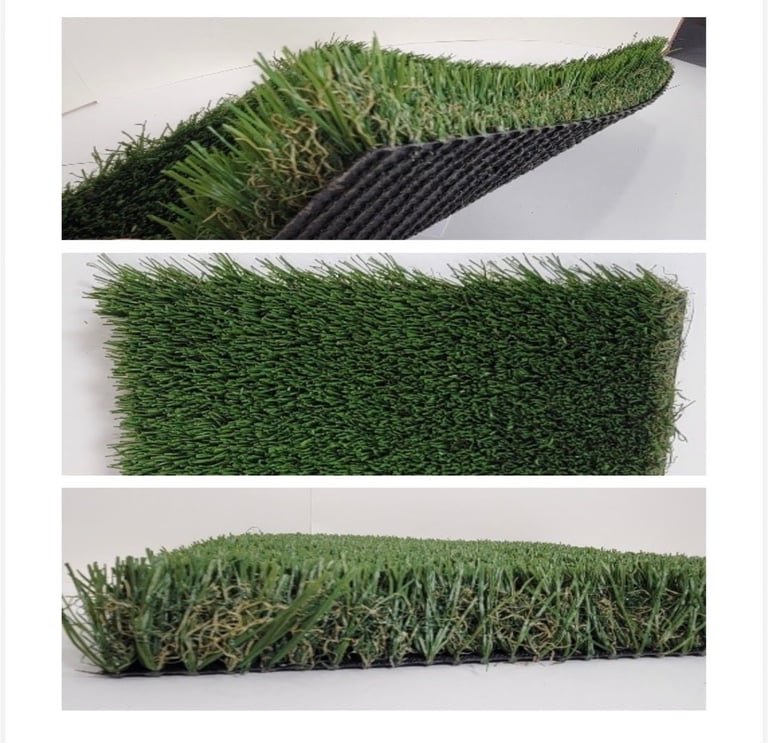
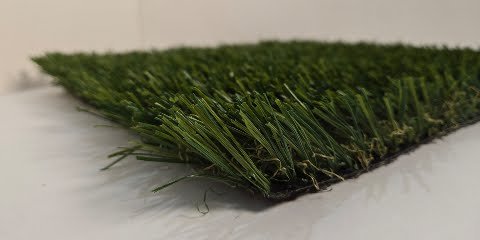
- Turf grade — pile height, face weight, thatch color
- Infill choice: silica sand, cool-touch zeolite, or antimicrobial for dog yards
- How hard the digging is — packed orchard soil comes out slower than sandy river-bottom ground
- Access — a narrow side-yard gate on the older blocks means base rock moves by wheelbarrow
Free estimates. We measure on site rather than off a satellite photo, so the number you get is for your yard.
Call (209) 593-6334 for a free Ripon turf estimate.
Local Knowledge — Ripon Ground, Fog and Orchard Dust
Two things decide how a synthetic lawn ages in Ripon: what sits under it and what falls on it. The sandy loam near the Stanislaus River and around Mistlin Sports Park drains on its own, which is the easy half of the job — but loose ground settles, so it wants a deeper cut, rock laid in lifts and extra passes with the plate compactor. Otherwise the lawn starts telegraphing footpaths across it within a season or two. Yards on the almond side of town, out toward Jack Tone Road and Colony Oak, have the reverse problem: the subsoil was driven over by orchard equipment for years and takes water slowly, so we dig deeper, build a coarser base and cut extra weep holes instead of trusting the dirt to drain.
Then there is the Ripon calendar. Almond bloom in February leaves a fine film of pollen on everything; harvest in late summer puts hull and shell dust in the air for weeks; leaf drop follows in the fall. None of it damages turf, but all of it lands in the pile, so we set infill depth to keep the fibers standing and the debris sitting on top where a blower and a stiff broom take it off. Winter is the quieter test — a stretch of tule fog keeps a yard damp for days, and low sun behind a six-foot fence means a north-facing lawn barely dries out at all. That is exactly where a shallow base and a skipped weed barrier turn into soft spots and moss.
The base is the product. Turf is only the part you can see — on Ripon ground, the depth of the excavation and the number of compaction passes decide whether the lawn is still flat eight years from now. How we approach base prep on Ripon lots
Our Ripon Artificial Turf Services
Removal & Excavation
Old lawn stripped and 3–4" of soil taken out, deeper where orchard-packed ground calls for it, with the spoil hauled off instead of parked on your driveway.
Compacted Base
Two layers of crushed rock, laid in lifts and plate-compacted — the step that matters most on the loose sandy ground near the river.
Drainage
Weed barrier over the base, plus extra weep holes for dog yards and for the slower-draining lots east of town.
Premium Turf
Seams pulled tight and glued, edges anchored along fence lines, walkways and beds so nothing lifts at the corners.
Infill
- Silica sand for everyday yards
- Cool-touch zeolite for full-sun back lawns
- Antimicrobial infill where dogs use the yard daily
Real Grass Alternative
Would rather have the live version? Ripon sod installation.
Artificial Turf Packages in Ripon
Small Yard (<300 sq ft)
Side yards, dog runs and the shady strip where grass never took. Typically 1–2 days, longer on the older blocks off West Main Street where a narrow gate means the rock comes in by wheelbarrow.
Standard Yard (300–800 sq ft)
The size most Ripon back lawns land at, including the tract yards near Cindy Drive and Stanley Drive. Usually 2–3 days, with sprinkler heads capped and the grade reset before any turf comes off the roll.
Large Yard (800+ sq ft)
Front-and-back conversions and the deeper lots out toward Jack Tone Road. Generally 3–5 days, and longer when the old lawn is sitting on packed orchard ground that has to be cut out.
Why Ripon Homeowners Choose Palmstone for Turf
Base prep matched to your dirt
Sandy loam near the Stanislaus River and packed orchard soil east of town fail in opposite ways — one settles, the other holds water. We dig and compact for the ground in your yard instead of running the same recipe across town.
Turf that survives a Ripon August
Full-sun back lawns get cool-touch infill and a pile that stands back up instead of laying flat. Before we set the layout we look at where the fence, the eaves and any young trees throw shade, and at west-facing walls that bounce afternoon sun back onto the lawn.
Built for pollen and orchard dust
February bloom and late-summer harvest both leave fine dust in the pile. Infill depth is set so the fibers stay upright and a leaf blower with a stiff push broom brings the lawn back in a few minutes.
Nothing to mow on a small lot
Most Ripon lots do not justify a mower, a trimmer and a green-waste run every week. Turf ends the mowing, the reseeding and the July brown patches, and it looks the same in February fog as it does in August.
Local Insight — Turf Block by Block in Ripon
Ripon is small enough that we can talk about it street by street, and turf work really does change depending on where in town you are. What follows is the shorthand our crews use when we walk a yard here:
- River Road and the blocks nearest the Stanislaus River: sandy loam, drains quickly, but loose — deeper excavation and extra compaction passes so the finished surface stays flat.
- Jack Tone Road and the Colony Oak side: ground that orchard equipment packed for years, slow to take water — coarser rock and extra weep holes cut into the base.
- Older blocks off West Main Street: mature tree roots, lawn areas that were patched and re-graded over decades, and side gates too narrow for a machine.
- Newer streets near Cindy Drive and Stanley Drive: square, level yards on engineered pads, where most of the prep is capping builder sprinkler heads and resetting the grade.
- Shaded north-facing yards anywhere in town: these stay damp through fog season, so the weed barrier and the drainage matter more than which turf grade you pick.
Lot sizes here are modest, which changes the math. On a 400-square-foot back lawn the difference between a lawn that needs weekly attention and one that needs a broom twice a year is worth more than the square footage suggests, and it frees up the rest of the yard for shade trees, beds or a patio. Working on more than the lawn? Take a look at our yard cleanup or concrete installation services.
Frequently Asked Questions – Ripon Artificial Turf
How much does artificial turf cost in Ripon?
Ripon turf installs run $8 to $15 per square foot installed. What moves a yard up or down inside that range is mostly the ground: packed orchard soil takes longer to excavate than the sandy loam near the river, a narrow side-yard gate means the base rock arrives by wheelbarrow, and dog yards get extra drainage. We measure on site and quote the yard in front of us. Call (209) 593-6334 for a free estimate.
Will turf hold up on the sandy ground near the Stanislaus River?
Yes, and it usually drains well on its own, which is the easy half of the job. The catch is that loose sandy loam settles, so we cut deeper, lay the rock base in lifts and make extra compaction passes before anything is rolled out. Skip that and the lawn starts showing footpaths and low spots within a couple of seasons. Yards on the harder orchard ground east of town have the opposite issue and get a coarser base with extra weep holes instead.
What does almond pollen and orchard dust do to a synthetic lawn?
Neither one damages turf, but both settle into the pile: a film of pollen around February bloom, then hull and shell dust through late-summer harvest. We set the infill depth so the fibers stay upright and the debris sits on top, where a leaf blower and a stiff push broom clear it in a few minutes. A very long pile looks plush in the showroom and traps far more of it.
Does turf get too hot to use during a Ripon summer?
Synthetic grass in full afternoon sun does warm up, and Ripon summers are hot and dry. Cool-touch zeolite infill and a lighter thatch color make a real difference, and so does shade, so we look at where the fence line, the eaves and any young trees fall before deciding where the turf should end. Light west-facing walls that bounce sun back onto the lawn are worth pointing out to us when we come measure.
How does artificial turf handle Ripon tule fog winters?
This is where turf earns its keep. A live lawn here goes thin, flat and muddy from December into February, while turf looks the same in fog as it does in July. The thing to plan for is dampness: low winter sun and a solid fence can keep a north-facing yard from drying out for days, so on those yards the weed barrier, the base drainage and the weep holes matter more than the turf grade.
Should I install turf or real sod on a Ripon yard?
It depends on how the space gets used. Turf wins on small lots, dog runs, deep shade where grass never fills in, and any yard nobody wants to mow. Real grass still wins for large open areas and for anyone who likes the feel of a live lawn underfoot. If that is you, look at our sod installation page instead.