Best Time to Plant Sod in Modesto, Salida, Riverbank, Ripon, Ceres & Del Rio (2026 Guide)
If you want sod that roots fast and survives its first Modesto-area summer, timing matters more than almost anything else. In Modesto, the best windows to lay sod are early spring (March through May) and early fall (mid-September through October), when soil is warm but the air isn't yet scorching past 100°F. Lay it then and your new lawn knits to the ground before the heat or the cold can stress it.
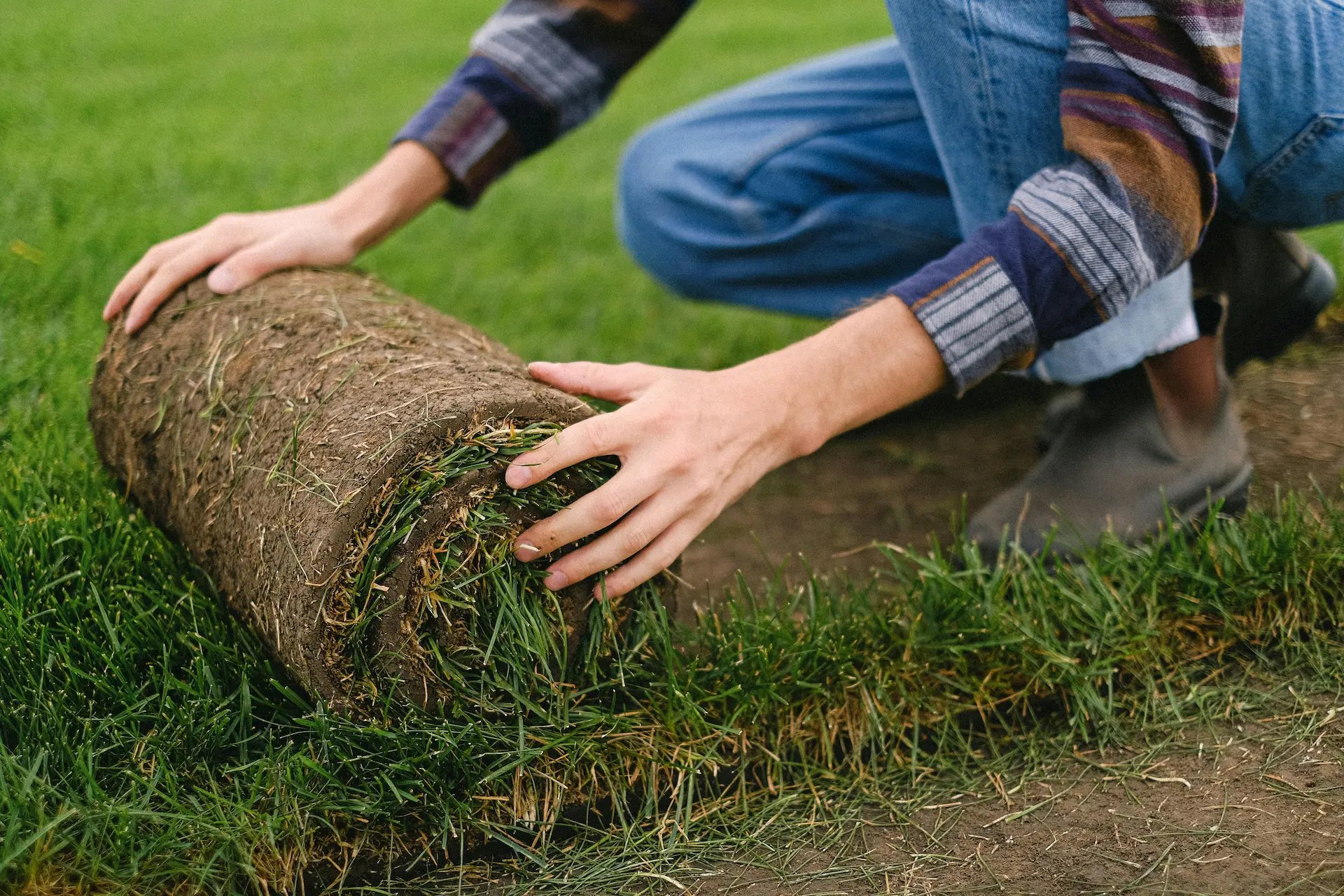
Sod is essentially a living carpet of grass already grown on a thin layer of soil. It gives you an instant lawn, but those harvested rolls have lost most of their root system, so the first two to three weeks are a race to re-establish roots before the grass runs out of stored energy. Get the timing right and that race is easy. Get it wrong — say, mid-July at 104°F — and you're fighting the weather every single day.
Why timing is everything for sod in the Modesto area
Modesto sits in USDA zone 9b with a classic hot-summer Mediterranean climate: long, dry, triple-digit summers and cool, foggy winters. Most local lawns are warm-season grasses like Bermuda and hybrid fescue blends, or cool-season tall fescue, which stays green year-round here. Each prefers a different soil temperature to root:
- Cool-season grass (tall fescue): roots best when soil sits around 50–65°F — spring and fall.
- Warm-season grass (Bermuda): wants warmer soil, roughly 65–80°F — late spring into early summer.
The goal is to install when the soil is in that sweet spot and the air temperature won't cook the blades faster than the roots can pull up water. That's why the shoulder seasons win.
The best months to plant sod in Modesto
Here's how the calendar shakes out for a typical year in ZIPs 95350–95358. Conditions shift a little year to year, so treat these as planning windows, not hard dates.
| Season | Window | Rating | What to expect |
|---|---|---|---|
| Early spring | March – mid-May | Excellent | Warming soil, mild air, natural moisture. Roots have months to establish before summer. |
| Late spring | Late May – June | Good | Great for Bermuda; doable for fescue with diligent watering. |
| Peak summer | July – August | Avoid | 100°F+ days stress new sod hard. Possible, but water demand is brutal and failure risk is high. |
| Early fall | Mid-Sept – October | Excellent | Soil still warm, air cooling off. Ideal for tall fescue; roots set before winter. |
| Late fall / winter | Nov – February | Fair | Sod goes semi-dormant and barely roots; fine to hold ground but slow to knit. Watch for frost. |
Spring vs. fall: which is better?
Both are excellent, with a slight edge to early fall for tall fescue, the most common lawn grass in Modesto yards. In fall the soil is still warm from summer so roots dig in quickly, but the cooling air means far less heat stress and lower water bills than a spring planting that's racing toward July. Spring is the better choice if you're laying Bermuda or simply want the lawn usable for summer barbecues.
Modesto soil: clay vs. loam and why it changes your prep
The dirt under your future lawn varies a lot across town, and it changes how you prep. Newer subdivisions like Village One sit on sandy loam over a clay layer and hardpan — it holds water, drains slowly, and compacts hard, so sod roots struggle to push through. Older established neighborhoods like La Loma, the College Area, and around Graceada Park tend to have better-draining loam that sod loves.
Regardless of where you live, good prep is non-negotiable:
- Remove the old lawn and weeds down to bare soil.
- Till and amend. On clay, work in 2–3 inches of compost to loosen it and improve drainage. Loam needs less, but a compost top-up still helps.
- Grade it smooth with a slight slope away from the house so summer irrigation and winter rain drain off.
- Roll and moisten the bed lightly right before the sod arrives so roots meet damp, not dusty, soil.
Watering new sod through a Modesto summer
Water is the make-or-break factor, and Modesto's potable supply comes from the City of Modesto, so you're paying for every gallon. New sod needs a lot of it up front (request the City's 90-day new-planting exemption before you start), then progressively less as it roots:
- Days 1–14: keep the sod and the soil beneath it consistently moist. In summer heat that can mean watering 2–3 times a day for short cycles. Peel back a corner — the soil under it should be damp 1–2 inches down.
- Weeks 3–4: taper to once a day, then every other day, as roots grab hold. Tug a corner; resistance means it's rooting.
- After establishment: shift to deep, infrequent watering — about 1–1.5 inches per week, early morning, to beat evaporation.
Water before about 8 a.m. Watering midday in July wastes most of it to evaporation, and watering at night invites fungus. If your sprinkler coverage is patchy, fix it before the sod goes down — dry corners are the number one cause of new-lawn failure here.
Mistakes that kill new sod here
- Installing in peak July/August heat without a plan to babysit the water.
- Letting rolls sit on the pallet. Harvested sod heats up and dies fast in summer — lay it within 24 hours of delivery, same day in a heat wave.
- Skipping soil prep on compacted or clay ground, so roots never penetrate.
- Mowing too soon. Wait until the sod is anchored (roughly 2–3 weeks) and never cut more than a third of the blade.
- Gaps and overlaps between rolls that dry out into brown seams.
Town by town: soil, watering days and new-sod rules
The windows are the same in every town we serve: early spring (March through May) and early fall (mid-September through October). What changes is the ground the sod goes on and how much water the town lets you give it in the first two weeks.
Salida
Salida homes sit on a sandy loam builder pad that was compacted during construction. Break up the top several inches, work in 2 to 3 inches of compost and grade smooth before the pallets arrive, or the sod will root shallow and brown out in July. Salida is on City of Modesto water, so the same watering days and the City's 90-day new-planting exemption apply. See sod installation in Salida.
Riverbank
Near the Stanislaus the soil is fast-draining loamy sand. Across much of the rest of town it is old terrace ground with a cemented hardpan two to three feet down that drains slowly, so compost and good grading matter more. Household water comes from the City of Riverbank; if you irrigate from a well, check for clogged heads before installation because dry streaks kill new sod fast. See sod installation in Riverbank.
Ripon
Ripon's sandy loam drains fast, so the first two weeks need every one of the three summer watering days used well, in the early morning. Spring sod gets the full March-through-October schedule to establish; sod laid in late October runs into the one-day-a-week winter schedule, so plan a fall install for mid-September. Compost worked into the top 4 to 6 inches is the single biggest help here. See sod installation in Ripon.
Ceres
Ceres allows two watering days a week all year and gives no waiver for new sod. That makes timing stricter than anywhere else we work: lay sod in late March or in late September, never in summer, keep the pieces tight and the bed moist the day of installation, and water deeply on your two days. Sandy, fast-draining soil needs compost so the root zone holds water between days. See sod installation in Ceres.
Del Rio
Big Del Rio lots are mostly sandy soil, and most are on City of Modesto water from the Del Rio well system; some have private wells. Sand dries fast, so new sod here is watered more often and more briefly in the first two weeks than on heavier ground. If you are on a private well, have the water tested and check heads for scale before you start. Fall is the easier season for a large install. See sod installation in Del Rio.
Frequently asked questions
When is the absolute best time to plant sod in Modesto?
Early fall (mid-September through October) and early spring (March through May) are the two best windows. The soil is warm enough to root quickly but the air isn't past 100°F yet, so the new lawn establishes with far less stress and lower water use than a summer install.
Can I lay sod during a Modesto summer?
Yes, sod can be installed year-round, but July and August are the hardest. Triple-digit heat means you may need to water two or three times a day for the first couple of weeks (request the City's 90-day new-planting exemption first), and the failure risk is much higher. If you must do it in summer, lay it the same day it's delivered and stay on top of watering.
How long before I can walk on or mow new sod?
Keep foot traffic off for about two weeks while roots establish. You can usually take the first mow at 2–3 weeks, once a gentle tug on a corner meets resistance. Cut high and never remove more than a third of the blade in one pass.
What kind of grass sod is best for Modesto lawns?
Tall fescue blends are the most popular here because they stay green year-round and tolerate both our hot summers and cool, foggy winters. Bermuda is a tough, drought-hardy warm-season option that thrives in full sun but goes brown and dormant in winter.
Does the clay around Village One affect sod?
Yes. Subdivisions like Village One sit on a clay layer over hardpan that drains slowly and compacts, making it harder for roots to penetrate. Working 2–3 inches of compost into the soil before laying sod loosens it and improves drainage so the lawn roots properly.
Can I lay sod in Ceres in summer?
We advise against it. Ceres allows two watering days a week all year and gives no waiver for new sod, so summer-laid sod cannot get the daily water it needs in its first two weeks. Lay it in late March or late September instead.
Do Salida and Modesto have the same new-sod watering rules?
Yes. Salida is on City of Modesto water, so Modesto's watering days apply and you can request the City's 90-day new-planting exemption before installation.
Is sandy soil in Ripon or Del Rio harder for new sod than clay?
Different, not harder. Sand drains fast, so new sod needs shorter, more frequent watering in the first two weeks and benefits a lot from compost in the top 4 to 6 inches. Clay needs compost to loosen it and longer, less frequent cycles so water soaks in instead of running off.