
Salida Concrete Patios vs Wood Decks: Pros & Cons
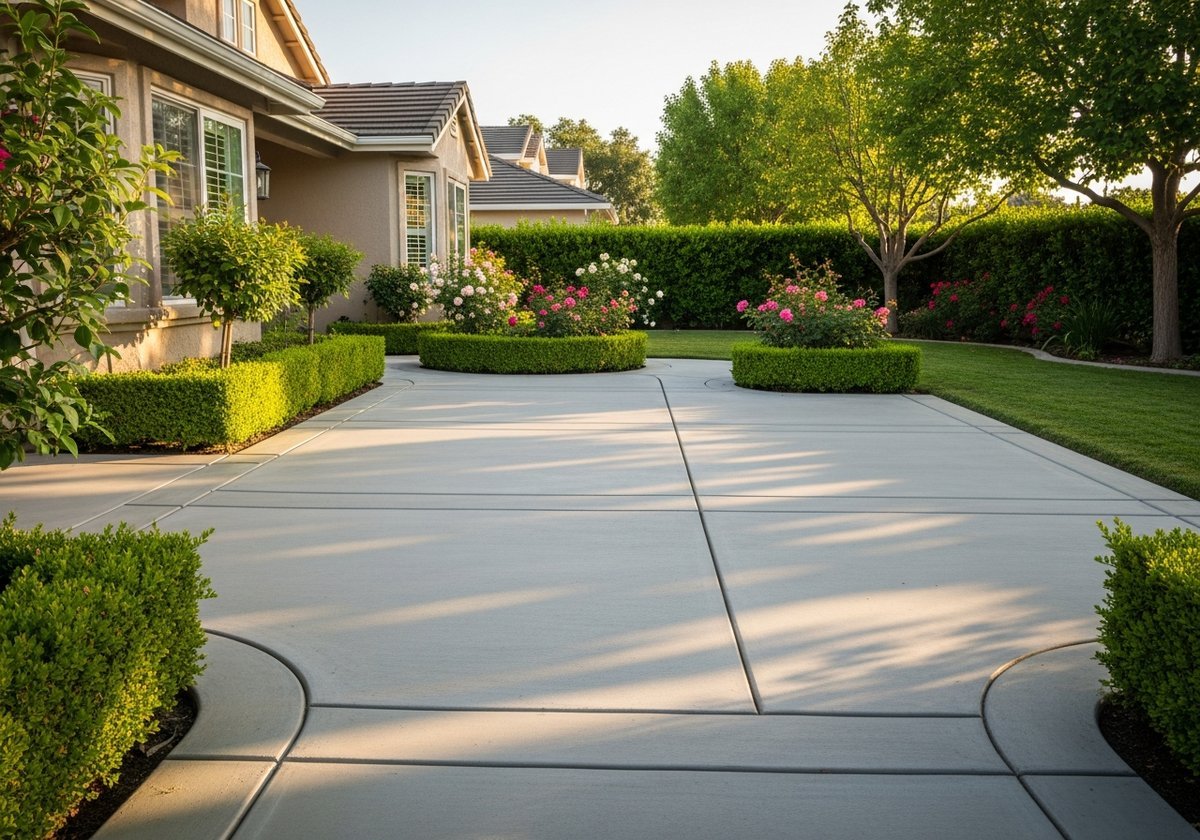
Salida homeowners often face a common design dilemma: should you build a concrete patio or a wood deck? Both have their pros and cons, especially when you factor in Salida's hot summers, sandy loam soil, and City of Modesto water considerations. Here’s a deep dive into the key differences to help you decide what works best for your backyard.
Cost comparison: concrete patios vs wood decks in Salida
| Feature | Concrete Patio | Wood Deck |
|---|---|---|
| Installation cost | $10–$20 per sq ft | $15–$35 per sq ft |
| Maintenance cost | Low | Moderate to high |
| Lifespan | 25–50 years | 10–30 years |
| Heat resistance | High | Moderate |
Concrete patios often have a lower upfront cost in Salida due to the abundance of local concrete suppliers and the relatively simple labor involved. Decks, particularly those made of composite materials, can cost more initially but offer aesthetic versatility.
For example, a 350-square-foot concrete patio might cost around $5,250, while a similar-sized deck built with high-quality composite materials could run about $10,500. Smaller concrete patios, such as a 150-square-foot design, can cost as little as $1,800, making them an attractive option for budget-conscious homeowners.
On the other hand, wood decks built with redwood or cedar can start at $6,000 for a modest size, climbing higher depending on the complexity of the design. A 400-square-foot deck with built-in seating and planters, for example, could cost around $16,000, which shows how quickly costs can escalate for custom features.
Durability in Salida's climate
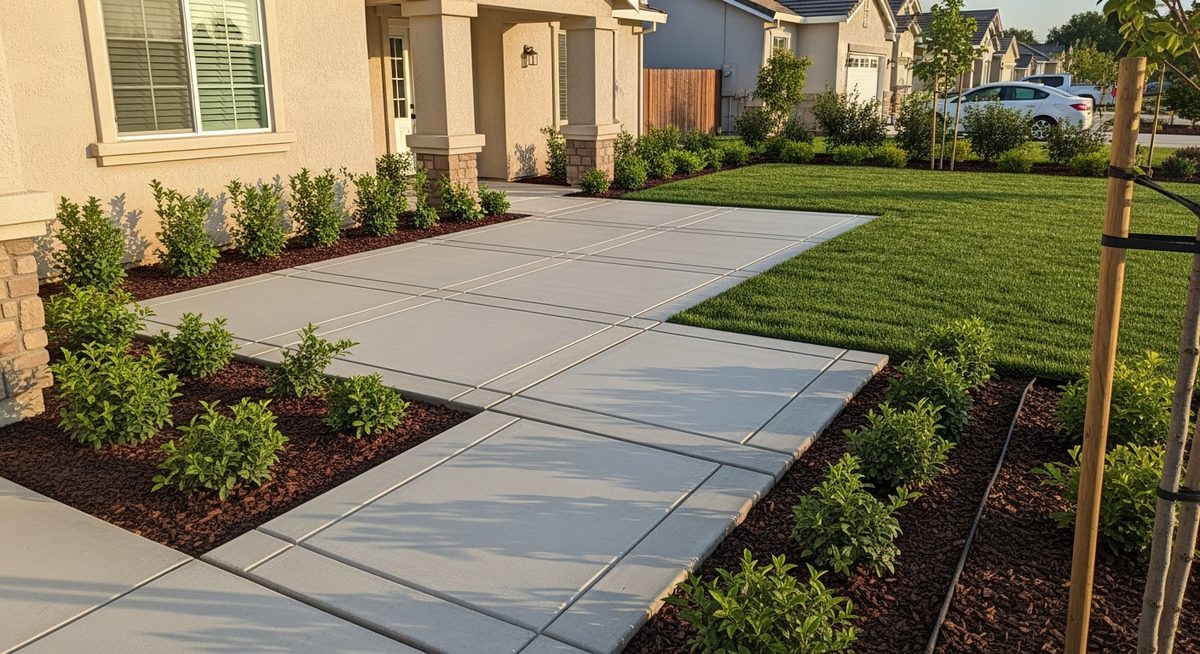
Salida summers frequently exceed 90°F, and the sandy loam soil underneath is well drained. Concrete patios excel in this environment because they handle heat without warping or fading. However, proper installation is crucial to prevent cracking on compacted pad soil common in newer neighborhoods like Salida Estates or the Kiernan area. For maximum durability, many contractors recommend adding rebar reinforcement and a 4-inch concrete thickness.
Wood decks, on the other hand, are susceptible to sun damage, warping, and fading. While treated wood or composite materials can mitigate some of these issues, regular maintenance like sealing and staining is required to withstand the intense heat and occasional rain. Keeping a redwood deck in top shape can cost around $300 a year in staining and sealing. Composite decking, such as Trex, fares better in terms of heat resistance but can still get hot to the touch during peak summer days.
Additionally, wood decks may struggle with pests like termites, especially in areas near water sources. Using pressure-treated wood or composite materials can reduce this risk, though it often increases costs. In areas like River Ranch Estates, where irrigation runoff is common, homeowners often choose composite decking to avoid pest issues altogether.
Maintenance requirements
Concrete patios require minimal upkeep. A pressure wash once or twice a year and occasional resealing (every 5–7 years) are usually sufficient to keep them looking new. This low-maintenance appeal is a big draw for busy homeowners in Salida who want to spend weekends enjoying their yard rather than maintaining it. For instance, resealing a 400-square-foot patio might cost around $300 every six years.
Wood decks, however, demand more attention. Natural wood needs to be cleaned, sanded, and resealed annually to prevent rot, splintering, and fading. Composite decks reduce the need for staining but still require regular cleaning to avoid mold or mildew buildup, particularly in shaded areas. For example, five years of deck maintenance might add up to $1,000, compared with about $250 to reseal a concrete patio. If you’re considering a deck, be prepared for the ongoing time and financial commitment.
Another consideration is longevity. While concrete patios can last 25–50 years with proper care, wood decks may need partial or full replacement within 10–30 years. For homeowners in Salida’s Kiernan area, where soil shifts can compromise deck footings, this shorter lifespan can be a significant drawback. Opting for composite materials can extend a deck’s lifespan closer to the 30-year mark but will add to your initial investment.
Design flexibility
Both options offer design versatility, but in different ways:
- Concrete patios: Can be stamped, stained, or textured to mimic stone, brick, or tile. This makes them a cost-effective way to achieve a high-end look, especially in newer Salida neighborhoods, where modern aesthetics are popular. For example, a 400-square-foot stamped patio with a slate texture and mocha stain might cost around $6,500.
- Wood decks: Provide a natural, elevated look that works well for homes with uneven terrain or sloped yards. Decks can also include features like built-in seating, planters, and multi-level layouts. For instance, a multi-level deck can create distinct areas for dining and lounging, with integrated lighting for evening use.
Your yard's layout and style will largely dictate which option fits better. On a sloped yard, for example, a multi-level deck with built-in seating and planters can blend with the terrain, while a stamped concrete patio suits a sleek, modern look.
Value for resale
When considering a major outdoor investment, resale value is an important factor. As a rough guide, concrete patios generally recoup around 70–80% of their cost during a home sale, while wood decks average a slightly higher return of 75–85%, depending on the material and condition.
However, these figures can vary depending on the neighborhood and market trends. In newer developments like Salida Estates, where modern designs are popular, a concrete patio with custom finishes may appeal more to buyers. Conversely, in older neighborhoods near Riverbank, the natural charm of a wood deck might resonate with potential buyers.
Accessibility and safety
Safety and accessibility are often overlooked but critical considerations. Concrete patios, being ground-level, are inherently safer for families with young children or elderly residents. They eliminate the risk of falls from elevated surfaces and can be made slip-resistant with textured finishes. For someone with mobility concerns, a stamped concrete patio with a smooth ramp leading to the garden offers both functionality and style.
Wood decks, while aesthetically pleasing, require safety features such as railings, which can add to the cost. They are also more prone to wear and tear that could lead to splinters or instability if not properly maintained. For homes with pools, concrete patios are often preferred due to their slip-resistant options and ability to handle moisture better than wood.
How soil type affects your choice
Salida's sandy loam soil and compacted pad foundations can pose challenges for both options:
- Concrete patios: Require a properly compacted base to prevent cracking. Adding rebar reinforcement is a good idea on compacted builder pads, such as those in the Kiernan area.
- Wood decks: Need stable footings, especially on sloped or uneven terrain. Helical piers or concrete footings can help stabilize the structure.
If you’re unsure about your soil conditions, consult a local contractor familiar with Salida’s terrain.
How to decide: key questions
- What’s your budget? Concrete is generally more affordable upfront.
- How much time can you dedicate to maintenance? Patios win for low-maintenance appeal.
- Do you need elevation? Decks are better for uneven yards.
- What’s your aesthetic preference? Both offer customizable options — patios for modern looks, decks for natural charm.
Frequently asked questions
Which lasts longer, a concrete patio or a wood deck?
A concrete patio typically lasts 25–50 years with minimal maintenance, while a wood deck lasts 10–30 years depending on the material and upkeep.
Can you install a concrete patio on clay soil?
Yes, but it requires proper preparation, including a compacted base and reinforcement like rebar to prevent cracking over time.
What’s the cost difference between a patio and a deck?
Concrete patios cost $10–$20 per square foot, while wood decks range from $15–$35 per square foot, depending on materials.
Which is better for Salida’s climate?
Concrete patios handle Salida’s hot summers better, as they don’t warp or fade like wood decks can under intense heat.
Can I combine a patio and a deck?
Yes, many Salida homeowners opt for a hybrid design, using a concrete patio for ground-level areas and a deck for elevated spaces.
Final word
Both concrete patios and wood decks have their strengths, but the best choice for your Salida home depends on your budget, maintenance preferences, and yard layout. Concrete patios offer durability and low upkeep, while wood decks provide natural warmth and design flexibility. Need help deciding? Contact us for a free consultation or call (209) 593-6334 to discuss your project today.