
Salida Concrete Patio vs Pavers: Which Lasts Longer?
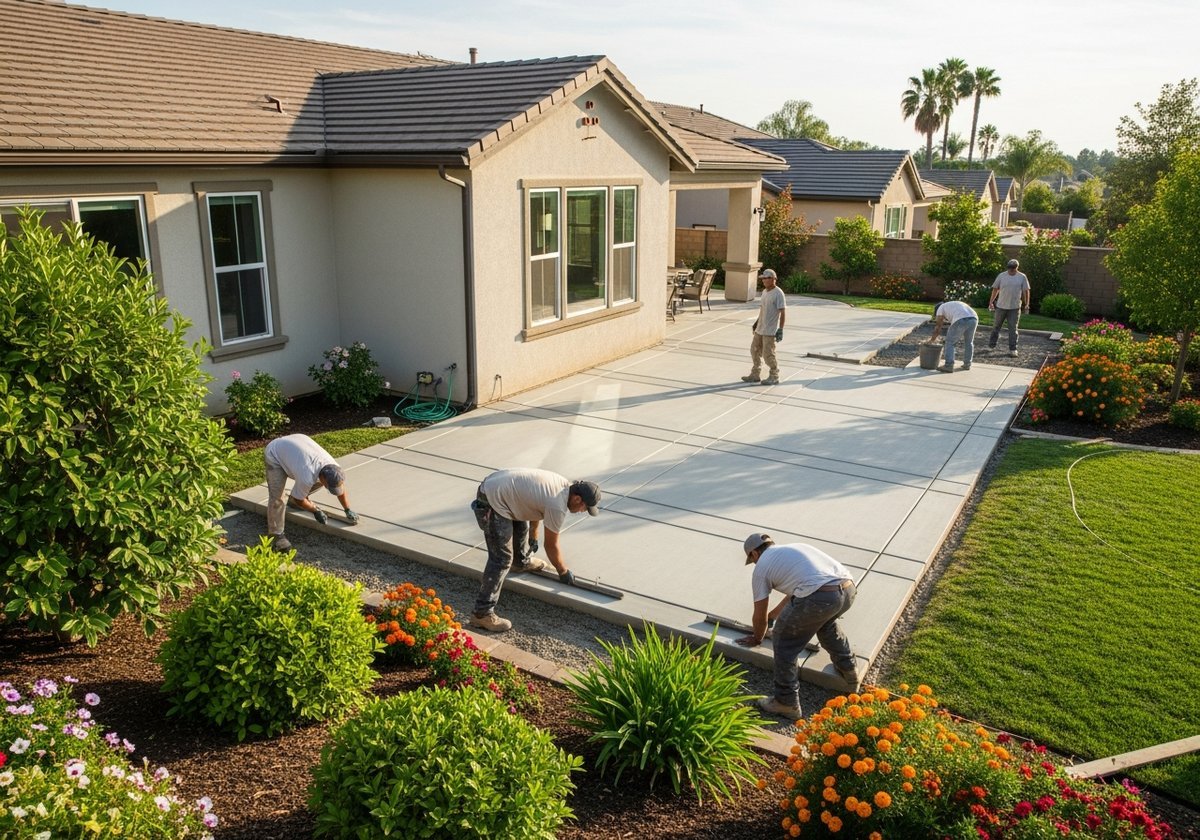
Salida homeowners in neighborhoods like Salida Estates and Kiernan often face a tough decision: should you choose a concrete patio or pavers for your outdoor space? Both materials handle Salida’s hot summers and sandy loam soil differently, and their durability depends on installation quality, maintenance, and your yard's unique conditions. Here’s how they stack up.
Concrete patios vs pavers: durability at a glance
| Material | Typical lifespan | Maintenance |
|---|---|---|
| Concrete patio | 25–30 years | Resealing every 3–5 years |
| Concrete pavers | 50+ years | Occasional resetting or joint repairs |
In Salida’s newer suburban builds, soil movement and hot summers can impact both materials differently. Concrete patios are prone to cracking under these conditions, while pavers allow for flexibility.
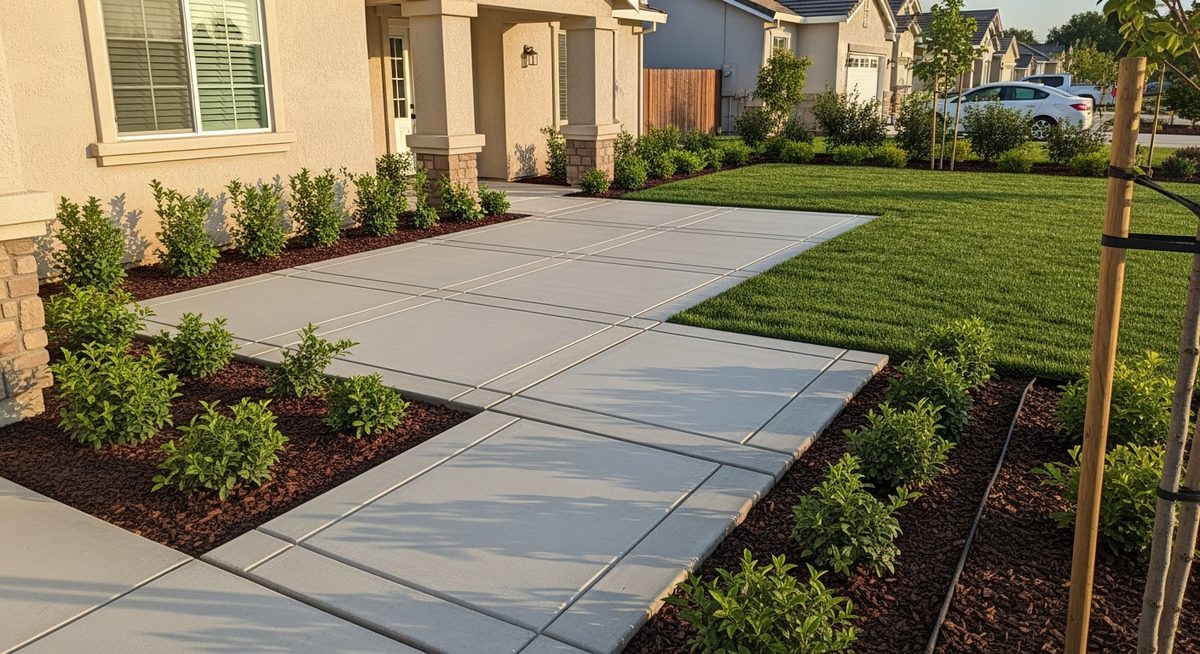
Salida’s soil and climate: how they affect patios
Salida’s soil is mostly well-drained sandy loam, though it is often compacted in newer builds. Compact pad soil under many yards can shift with water saturation, causing concrete slabs to crack over time. Pavers, on the other hand, are installed individually with sand joints, allowing them to adjust to minor shifts without breaking.
Hot summers, with temperatures often exceeding 100°F, can also expand concrete slabs, leading to stress fractures. Pavers, made of smaller units, better handle this thermal expansion. For Salida Estates homeowners, choosing the right material can depend on your yard’s drainage, soil stability, and exposure to direct sunlight.
Salida’s climate also affects maintenance schedules. Concrete patios require resealing every few years to protect against water damage and UV fading. Pavers, while more resistant to these issues, may need polymeric sand replacement after heavy rains, especially in areas closer to the Stanislaus River flood zone.
Installation: the key to durability
Whether you choose concrete or pavers, proper installation is critical. In Salida, a solid base is necessary to prevent movement and damage:
- Concrete patios: A compacted aggregate base and rebar reinforcement are essential to handle soil shifts.
- Pavers: A sand or gravel base topped with polymeric sand ensures stability and prevents weeds from growing between units.
Without these steps, even the best materials won’t last in Salida’s soil and climate conditions.
In Salida Estates, homeowners planning larger patios often opt for professional installation teams to avoid mistakes. A poorly prepared base can lead to thousands of dollars in repairs, while using high-quality materials and techniques upfront ensures longevity.
Costs: upfront vs long-term
| Material | Installed cost per sq ft | Long-term cost |
|---|---|---|
| Concrete patio | $8–$12 | Resealing every 3–5 years |
| Pavers | $15–$25 | Minimal maintenance |
Concrete patios are cheaper upfront, but resealing costs can add up over time. Pavers cost more initially but require less maintenance, making them a better long-term investment for durability.
For example, resealing a concrete patio in Salida typically costs $500–$800 every few years. Over a 15-year period, this could add up to $2,000–$3,000 in maintenance costs. Pavers, on the other hand, may only require occasional joint repairs costing $200–$300 every decade.
In some cases, budgeting for pavers upfront can save you from unexpected repair costs. For a 400-square-foot patio, the price difference between concrete ($3,200–$4,800) and pavers ($6,000–$10,000) may seem steep initially but pays off in reduced maintenance over time.
Comparing aesthetics: blending with Salida landscapes
When it comes to aesthetics, both concrete patios and pavers offer customizable options. Concrete patios can be stamped and stained to resemble natural stone, wood, or tile, making them a versatile choice for modern Salida homes. Pavers, however, come in pre-designed patterns, colors, and textures that can complement Mediterranean, rustic, or contemporary styles.
For example, in Kiernan Estates, homeowners often select earth-toned pavers to blend seamlessly with the natural surroundings. On the other hand, properties closer to Salida’s suburban areas may favor sleek gray stamped concrete for a minimalist look.
Choosing the right aesthetic also depends on your outdoor space’s purpose. For poolside patios, lighter pavers are ideal to avoid heat buildup, while stamped concrete is better suited for shaded dining areas.
Frequently asked questions
Do concrete patios crack in Salida’s soil?
Yes, especially on compacted pad soil. Proper installation with a reinforced base minimizes cracking.
Are pavers worth the higher cost?
For long-term durability, yes. Pavers last longer and handle Salida’s soil shifts better than concrete slabs.
How do I keep pavers weed-free?
Polymeric sand between pavers prevents weeds from growing. Occasional maintenance may be needed.
Which material stays cooler in summer?
Pavers, especially lighter shades, stay cooler than concrete patios under Salida’s summer sun.
Can pavers handle heavy vehicle use?
Yes, when installed properly. Pavers are a common choice for Salida driveways due to their strength.
Final word
Choosing between a concrete patio and pavers in Salida comes down to durability, cost, aesthetics, and your yard’s unique conditions. For areas prone to soil movement, pavers offer flexibility and long-term reliability. Concrete patios are a budget-friendly option for smooth, modern designs but require more upkeep. Get a free Salida patio quote here or call (209) 593-6334 to discuss your project.