
Riverbank Patio vs Deck: Installation Cost Guide
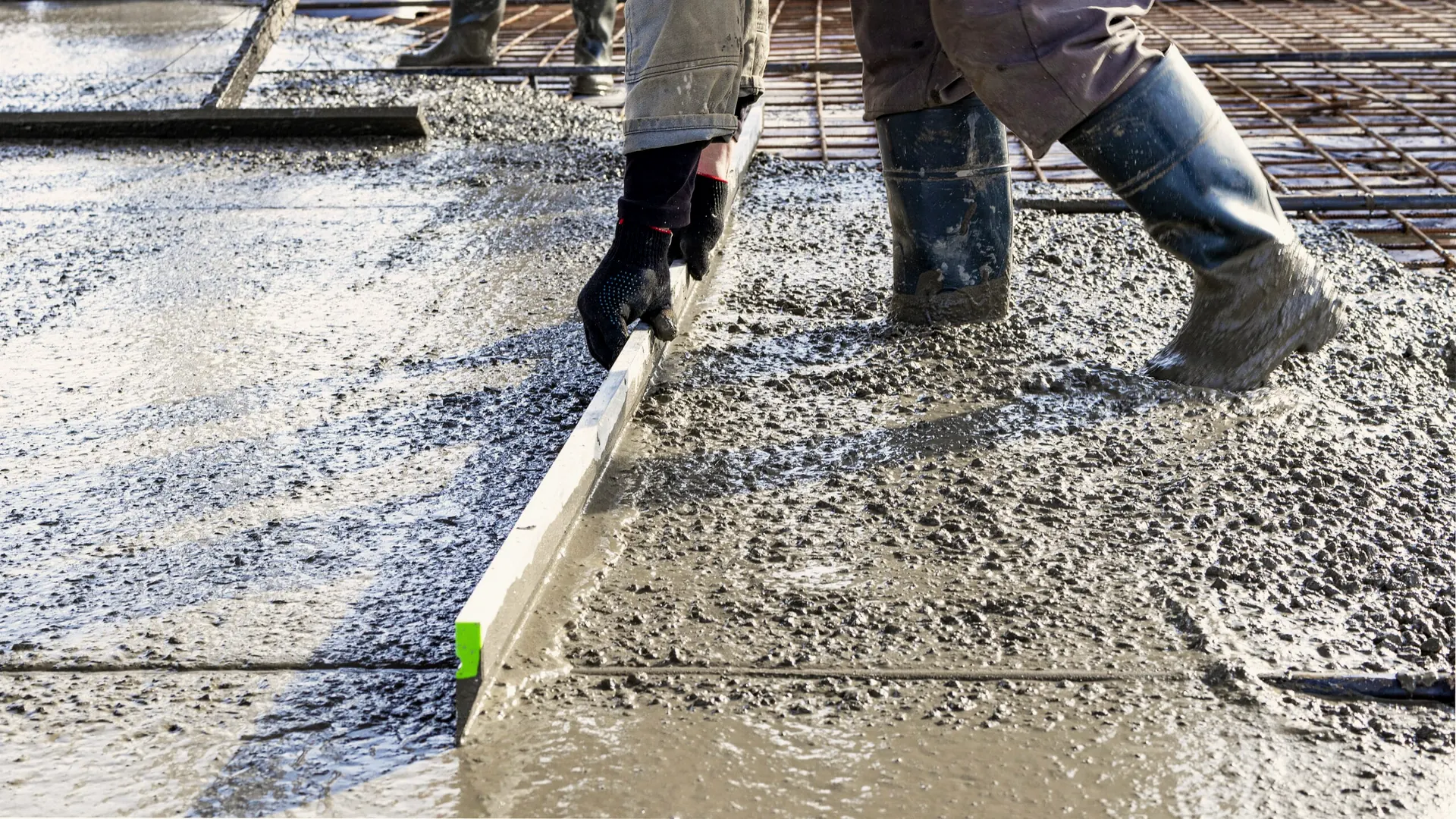
If you're debating between a patio or deck for your Riverbank home, the first question is always cost. The installed cost of a concrete patio in Riverbank typically ranges from $10 to $20 per square foot, while a wood deck runs higher at $15 to $35 per square foot. Here's how these numbers break down, plus what Riverbank's neighborhoods, soil, and climate mean for your decision.
Quick cost comparison: patio vs deck in Riverbank
| Feature | Concrete Patio | Wood Deck |
|---|---|---|
| Installed cost per sq ft | $10 – $20 | $15 – $35 |
| Durability (years) | 20–30+ | 10–20 (with maintenance) |
| Maintenance | Minimal (sealing every 3–5 years) | High (annual staining/sealing) |
| Best for | Flat, open yards | Sloped or uneven yards |
These estimates are typical for neighborhoods like Crossroads, the Riverbank Industrial area, and old town Riverbank. Soil type, yard slope, and access can all adjust these numbers.
What drives patio and deck costs in Riverbank?
1. Materials
Concrete patios are typically poured with standard or stamped finishes. Basic gray concrete costs less, while stamped or colored finishes (popular in Crossroads neighborhoods) can add $3–$7 per square foot. For decks, pressure-treated wood is the entry-level choice, with redwood and composite decking like Trex priced higher. Composite, while pricier upfront, holds up better under Riverbank's hot summers.
For example, a 200-square-foot patio with a stamped finish in Riverbank's Crossroads neighborhood might cost around $4,000, while a similarly sized wood deck using redwood could be upwards of $7,000. These numbers vary based on material availability and local contractor rates.
In addition, homeowners in areas like River Heights often select decorative concrete finishes that mimic stone or pavers, elevating the aesthetic appeal of their outdoor spaces. These upgrades can increase costs but add long-term value.
2. Soil preparation
Riverbank's soil varies significantly depending on where you live. Near the Stanislaus River, you'll find river-bottom loam, which drains well and is great for patios. However, further out in areas like the Riverbank Industrial zone, old terrace ground over a cemented hardpan is common. That ground can require more excavation and a thicker gravel base to prevent cracking, adding $1–$2 per square foot to concrete patio costs.
For example, extra soil preparation for a 400-square-foot patio on challenging clay soil might add around $800. While this added cost can seem steep, it protects the patio's longevity and reduces future maintenance expenses.
For decks, soil preparation is less critical because they are elevated on posts. This makes them a preferable choice in areas where clay soil might otherwise increase patio costs.
3. Access and yard layout
Flat, open yards in places like old town Riverbank are ideal for patios. Decks shine in sloped or uneven yards, where leveling for a patio would be cost-prohibitive. Tight access, like narrow side yards, can increase labor costs for both patios and decks, especially if heavy equipment can't easily reach the site.
For example, on a steep backyard slope, choosing a deck instead of a patio might save around $3,000 in grading costs, since a deck built on posts provides a level surface without disturbing the yard's natural contours.
For homeowners with smaller lots, patios can be customized to fit tight spaces, creating intimate outdoor areas. For example, a 150-square-foot stamped concrete patio in a Riverbank backyard might cost $3,000–$4,500, depending on the design and finish.
Maintenance: patio vs deck in Riverbank's climate
Riverbank's climate — hot, dry summers and mild winters — affects how much care your outdoor space will need:
- Concrete patios: Require sealing every 3–5 years to protect against stains and minor cracking. With proper care, they can last 30+ years, even in the heat of a Riverbank summer.
- Wood decks: Need annual staining or sealing to prevent weathering and rot. Composite decks reduce maintenance but cost more upfront.
In areas with well water, like parts of the Riverbank Industrial area, be cautious of hard water stains on patios. Regular cleaning with a pressure washer can help.
For example, patio sealing might average around $150 a year, while staining and repairs on a wood deck can run over $400 a year. Over a decade, that makes the patio significantly more cost-effective.
New features to enhance your outdoor space
Lighting and landscaping
Adding outdoor lighting and landscaping can transform patios and decks into vibrant, usable spaces. In Riverbank, popular options include solar-powered lights and drought-resistant plants like lavender and succulents, which thrive in the local climate. Installing LED lighting along a patio’s edges might cost $1,000–$2,000, depending on the complexity.
Pergolas and shade structures
Riverbank’s hot summers make shade structures a valuable addition. Pergolas, which can be built over patios or decks, range from $3,000–$6,000. For example, a pergola over a 250-square-foot deck might cost around $5,200, creating a shaded retreat perfect for entertaining.
How soil impacts your choice
Soil type is a critical factor in deciding between a patio and a deck. In Riverbank:
- Loamy soils: Found near the Stanislaus River, these are ideal for patios as they naturally drain well and support a stable base.
- Hardpan ground: Common in outer neighborhoods like Crossroads, old terrace ground over a cemented hardpan drains slowly, making patios prone to cracking without a proper base. Decks, which sit above ground, are often a better choice here.
For a deeper dive into soil preparation, check out UC Master Gardeners' soil resources.
FAQs
How long do concrete patios last in Riverbank?
With proper care, a concrete patio can last 20–30 years or more. Sealing every few years helps protect it from stains and minor cracking, especially on Riverbank's slow-draining hardpan ground.
Are wood decks worth the maintenance?
Wood decks require annual staining or sealing to prevent rot and weathering, but they offer a classic look. Composite decking is a lower-maintenance option, though more expensive initially.
Can I install a patio over clay soil?
Yes, but proper preparation is key. Clay requires a thicker, well-compacted gravel base to prevent cracking. Without this, the patio may shift or crack over time.
What's the best option for a sloped yard?
Decks are typically the better choice for sloped or uneven yards, as they can be built on posts to create a level surface without extensive grading.
Does a stamped concrete patio cost more?
Yes, stamped concrete typically costs $3–$7 more per square foot than standard concrete. It adds a decorative finish that mimics stone, brick, or other materials.
Final thoughts
Whether you choose a patio or a deck depends on your budget, yard layout, and maintenance preferences. In Riverbank, where soil and climate play a big role, a well-planned project can give you a beautiful, functional outdoor space for years to come. For personalized advice, contact us today for a free consultation or call (209) 593-6334. We’re here to help you create the perfect backyard retreat.