
Riverbank Summer Lawn Care Drought Solutions
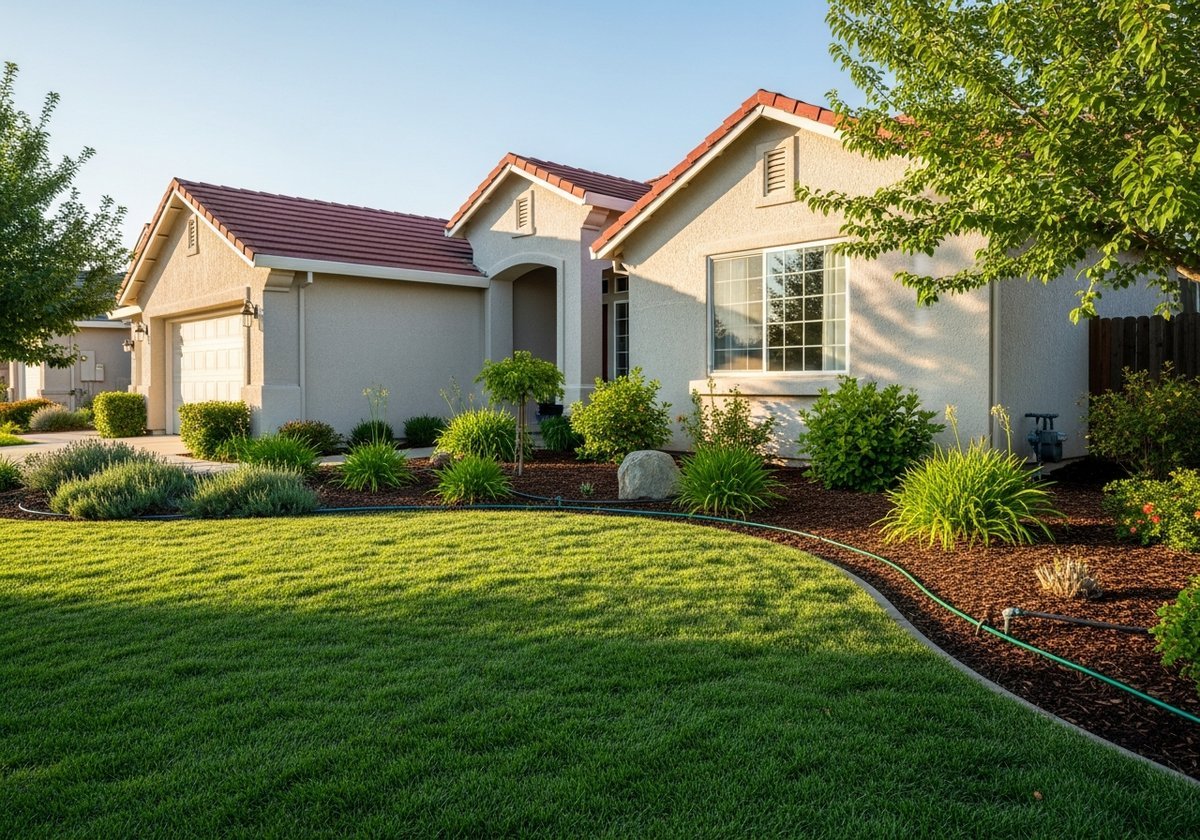
Riverbank summers bring dry heat, often topping 95°F, and water conservation challenges for homeowners on City of Riverbank water or well water. But with a few smart adjustments, you can maintain a thriving lawn even in drought conditions. Here are the most effective solutions for Riverbank's unique soil and climate.
Understanding Riverbank soil and water conditions
Riverbank's soil varies significantly depending on location. Near the Stanislaus River, you'll find river-bottom loam—ideal for lawns because it's nutrient-rich and drains well. In neighborhoods like Crossroads or Riverbank Industrial Area, old terrace ground with a cemented hardpan roughly 2–3 feet down is common, limiting drainage and root depth. Knowing your soil type is key to tailoring drought solutions.
Testing your soil is an essential first step. Local gardening centers in Riverbank, such as Riverbank Garden Center, offer soil testing kits for around $15–$20. Alternatively, you can send samples to the UC Cooperative Extension for a more detailed analysis. This step ensures you understand your soil’s nutrient levels and pH balance.
Most Riverbank homes are on City of Riverbank water, and some use private wells. During summer, water restrictions often apply, making efficient irrigation essential. For example, the City of Riverbank allows summer landscape watering only on three assigned days a week and never between 10 a.m. and 7 p.m. This makes it even more important to maximize water absorption and minimize waste.

Choosing drought-tolerant grass for Riverbank lawns
Not all grass types thrive in Riverbank's hot summers. For drought-resistant lawns, consider these options:
- Bermudagrass: A warm-season grass that tolerates heat and recovers quickly from drought stress. Ideal for sunny areas in neighborhoods like Crossroads.
- Buffalograss: Requires minimal water and care. Perfect for low-water yards in Riverbank Industrial Area.
- Zoysiagrass: Handles heat and heavy foot traffic well, making it a great choice for family yards in old town Riverbank.
For shaded areas or cooler spots, fescues (including tall or fine fescue) can be mixed into your lawn. Check with your local nursery or UC Master Gardeners for grass blends suited to Riverbank's soil and climate. A 5-pound bag of drought-tolerant grass seed typically costs $30–$50 at local stores like Ace Hardware on Patterson Road.
Mixing a warm-season grass with a cool-season fescue, for example Zoysiagrass with fine fescue, can give a lawn year-round coverage.
Improving soil health before summer
Healthy soil retains moisture and supports deep root systems, helping grass survive drought. Here's how to prepare Riverbank soil:
- Aerate your lawn: Heavily used lawns benefit from annual aeration to reduce compaction and improve water absorption.
- Add organic matter: Compost or well-rotted manure improves the structure and fertility of both clay and loamy soils.
- Test soil pH: River-bottom loam is naturally balanced, but clay may lean acidic. Aim for a pH between 6.0 and 7.0 using lime or sulfur as needed.
Aeration services in Riverbank typically cost $100–$150 for an average-sized lawn. Alternatively, you can rent an aerator from Home Depot on Claribel Road for around $75 per day. Adding organic matter is another cost-effective step. A cubic yard of compost from Modesto's municipal composting program costs about $20 and can cover 300 square feet of lawn.
Smart irrigation strategies for Riverbank lawns
Efficient watering is critical during Riverbank's dry summers. Follow these tips:
- Water deeply but infrequently: Encourage deep roots by watering 1–2 times per week. Loamy soil near the Stanislaus River allows water to penetrate easily, while clay soil may need slower application.
- Time it right: Water early in the morning to reduce evaporation. Avoid evening watering, which can promote fungal diseases.
- Use drip irrigation or soaker hoses: These systems deliver water directly to the roots, minimizing waste.
Installing a smart irrigation controller can save water and money. For instance, a Rachio Smart Sprinkler Controller costs around $200 and can reduce water usage by up to 30%. Ask the City of Riverbank about current conservation rebates for water-efficient systems.
Mulching: The secret to moisture retention
Mulching around your lawn edges and garden beds helps reduce evaporation and keeps soil cooler. Organic mulches like bark or wood chips are particularly effective and blend well with Riverbank landscapes.
A cubic yard of mulch costs approximately $49 at local suppliers like Sierra Pacific Landscape Supply in Modesto.
Fertilizing in drought conditions
A light touch is best when fertilizing during Riverbank's dry season. Over-fertilization can stress grass and increase water needs. Use slow-release fertilizers and apply them sparingly in late spring, just before peak heat.
A 15-pound bag of slow-release fertilizer costs around $35 and can cover 5,000 square feet. Consider products with balanced nitrogen, phosphorus, and potassium ratios (e.g., 10-10-10) for optimal results.
How to manage lawn heat stress
Riverbank lawns often show signs of heat stress during July and August. Look for discoloration, wilting, or bare spots. Here's how to help:
- Mow high: Set your mower to 3–4 inches. Taller grass shades the soil and reduces evaporation.
- Spot water: Focus extra watering on high-stress areas like sunny patches near driveways or sidewalks.
- Limit foot traffic: Avoid heavy use of the lawn during peak heat to reduce wear.
Mid-summer lawn care checklist
Keep your Riverbank lawn thriving with this simple checklist:
- Inspect sprinklers for leaks or clogs.
- Remove weeds competing for water.
- Apply mulch to exposed soil areas.
- Monitor for pests like grubs or chinch bugs.
- Adjust mowing height to reduce stress.
Frequently asked questions
What grass types are best for Riverbank droughts?
Bermudagrass, Buffalograss, and Zoysiagrass are ideal for Riverbank’s hot, dry summers due to their drought tolerance and heat resilience.
How often should I water my lawn in summer?
Water deeply once or twice a week, early in the morning. Adjust frequency based on your soil type and the City of Riverbank watering schedule.
Can I use mulch on my lawn?
Mulch is best used around lawn edges and garden beds to retain moisture and reduce evaporation. Avoid mulching directly on grass.
How do I aerate a compacted Riverbank lawn?
Use a core aerator in spring or fall to remove plugs of soil. This improves water absorption and reduces surface compaction.
What’s the best mowing height for summer?
Mow at 3–4 inches during summer to shade the soil and reduce water loss. Taller grass also helps prevent heat stress.
Final word
Riverbank summers may challenge lawns, but with the right grass, soil care, and irrigation strategies, you can maintain a healthy yard while conserving water. Whether you're in Crossroads or old town Riverbank, we’re here to help you create a sustainable lawn plan. Call (209) 593-6334 for expert advice tailored to Riverbank homeowners.