
Riverbank Lawn Care: Fall Maintenance Schedule Guide
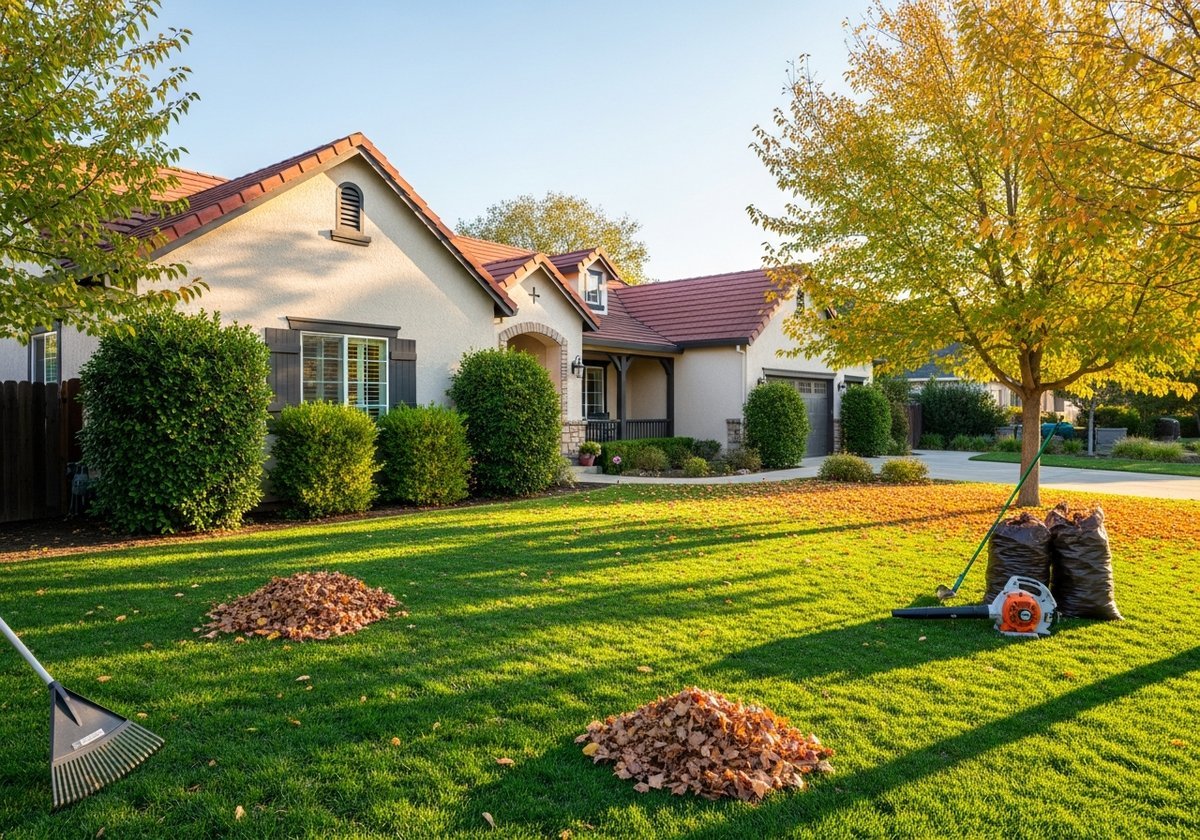
Fall is the most critical season for lawn care in Riverbank. With the hot, dry summer behind us and winter rains ahead, now is the perfect time to prepare your lawn for a healthy green comeback. Whether you live in Crossroads, the Riverbank Industrial area, or Old Town Riverbank, a tailored fall maintenance schedule can help your lawn thrive in our unique climate and soil conditions.
Why fall is the best time for lawn care in Riverbank
Fall in Riverbank offers cooler temperatures and increased soil moisture, creating ideal conditions for lawn recovery and growth. After enduring summer stress, your lawn is ready to rebuild its root system. Proper care now ensures your lawn stays healthy through the winter and comes back stronger in spring.
For example, homeowners in Crossroads often see their lawns struggle with compacted soil after the summer. Aeration during fall improves soil structure, while overseeding ensures the lawn regains its lush appearance. In Old Town Riverbank, where some properties have sandy loam, fall care focuses on retaining moisture and adding nutrients to support new grass growth.
For residents on City of Riverbank water or private wells, fall is also a good time to reassess your irrigation needs. Adjusting for seasonal rainfall can save water and prevent overwatering, especially in areas with clay soil, which retains moisture longer. Optimizing your usage can also lower your water bill.

Step-by-step fall lawn care schedule
Here’s a week-by-week breakdown of essential fall lawn care tasks tailored to Riverbank’s soil and climate:
- Week 1: Mow and clean up debris. Lower your mower blade slightly to remove summer growth, but don’t scalp the lawn. Rake up leaves and debris to prevent disease and pests. In neighborhoods like River Cove, where mature trees drop significant foliage, this step is crucial to maintaining a healthy lawn.
- Week 2: Aerate your lawn. Aerating helps break up compacted soil near the surface. Use a core aerator to pull out soil plugs, improving air and water penetration. Renting a core aerator in Riverbank costs about $50–$75 per day, making it an affordable investment for long-term lawn health.
- Week 3: Overseed with cool-season grass. Overseeding fills in bare spots and thickens your lawn. Choose a drought-resistant blend suitable for Riverbank’s hot summers and varied soils. For example, a 10-pound bag of tall fescue seed, perfect for a 1,000-square-foot lawn, costs around $49 and is widely available at local garden centers like Riverbank Ace Hardware.
- Week 4: Fertilize. Apply a slow-release, nitrogen-rich fertilizer to support root growth. If you’re unsure which type to use, consult the UC Master Gardeners for recommendations specific to Stanislaus County. A 25-pound bag of lawn fertilizer typically costs $30–$40 and can cover up to 5,000 square feet.
Adjusting irrigation for fall
As temperatures drop, your lawn needs less water. Overwatering can lead to fungal diseases, especially in clay-heavy areas where water doesn’t drain quickly. If you’re on City of Riverbank water or well water, aim to water deeply but less frequently — about once or twice a week should suffice.
For lawns in Crossroads or other areas with river-bottom loam, the soil drains more quickly, so you may need to water slightly more often. Use a soil moisture meter to ensure your lawn is getting the right amount of hydration. These devices can be purchased for as little as $15, making them a cost-effective tool for maintaining a healthy lawn.
In areas prone to water pooling, like certain parts of River Heights, consider installing a French drain system. While professional installation may cost $1,500–$3,000, it can save you from long-term damage caused by poor drainage.
Fall Pest Management
Fall is also a critical time to manage pests that can damage your lawn. Grubs, for example, are a common issue in Riverbank. These pests feed on grass roots, causing brown patches to appear. Applying a grub control product, which typically costs $25–$40 for a 10,000-square-foot bag, can protect your lawn throughout the season.
In addition to grubs, watch out for chinch bugs and sod webworms. These pests thrive in the cooler temperatures of fall. Regular mowing and dethatching can reduce their habitats, while targeted insecticides can eliminate infestations. Be sure to follow all application instructions to avoid harming beneficial insects or overusing chemicals.
Landscaping Enhancements for Fall
Fall is an excellent time to enhance your lawn with landscaping features that complement its health and appearance. Adding mulch around trees and garden beds not only improves aesthetics but also helps retain soil moisture and regulate temperature. A cubic yard of mulch costs around $35 in Riverbank, and applying it is a simple weekend project.
Consider planting fall flowers like pansies or chrysanthemums to add seasonal color. These flowers thrive in Riverbank’s mild autumn climate and require minimal care. A flat of 18 pansies costs about $15 and can brighten up your yard instantly.
For a more dramatic upgrade, install edging along garden beds or walkways. Concrete or stone edging ranges from $3–$10 per linear foot and adds a polished look to your landscape while keeping grass and weeds in check.
Preparing for Lawn Equipment Storage
As fall transitions into winter, it’s important to prepare your lawn care equipment for storage. Start by cleaning your mower, removing any grass clippings or debris from the blades and undercarriage. This prevents rust and ensures your mower is ready for spring.
Next, drain or stabilize the fuel in your mower and other gas-powered tools. Adding a fuel stabilizer, which costs about $10 per bottle, prevents the fuel from degrading over the winter months. For electric tools, ensure batteries are fully charged and stored in a cool, dry place.
Finally, sharpen mower blades and inspect all equipment for wear and tear. Replacing worn parts now, rather than in the spring, saves you time and frustration when the growing season begins again.
Frequently asked questions
When should I aerate my Riverbank lawn?
Aerate in early fall to relieve soil compaction and allow water and nutrients to penetrate deeper. This is especially important for clay soil areas.
Can I overseed on top of my existing lawn?
Yes, but for best results, mow the lawn short and aerate first. This ensures the new seed makes good soil contact.
How much should I water in fall?
Water once or twice a week, depending on rainfall and soil type. Clay soils retain water longer, so less frequent watering is needed.
What fertilizer should I use in fall?
Choose a slow-release fertilizer with high nitrogen content to promote root growth and lawn recovery before winter.
What’s the best grass for Riverbank lawns?
Tall fescue and perennial ryegrass are excellent choices for their drought tolerance and ability to thrive in Riverbank’s climate.
Final word
Fall is the perfect time to invest in your lawn’s health. With the right care — from aeration and overseeding to proper watering and fertilization — your Riverbank lawn will be ready to thrive through winter and flourish in spring. If you need professional help, contact us or call (209) 593-6334 to schedule your free consultation.