
Riverbank Irrigation System Installation Guide
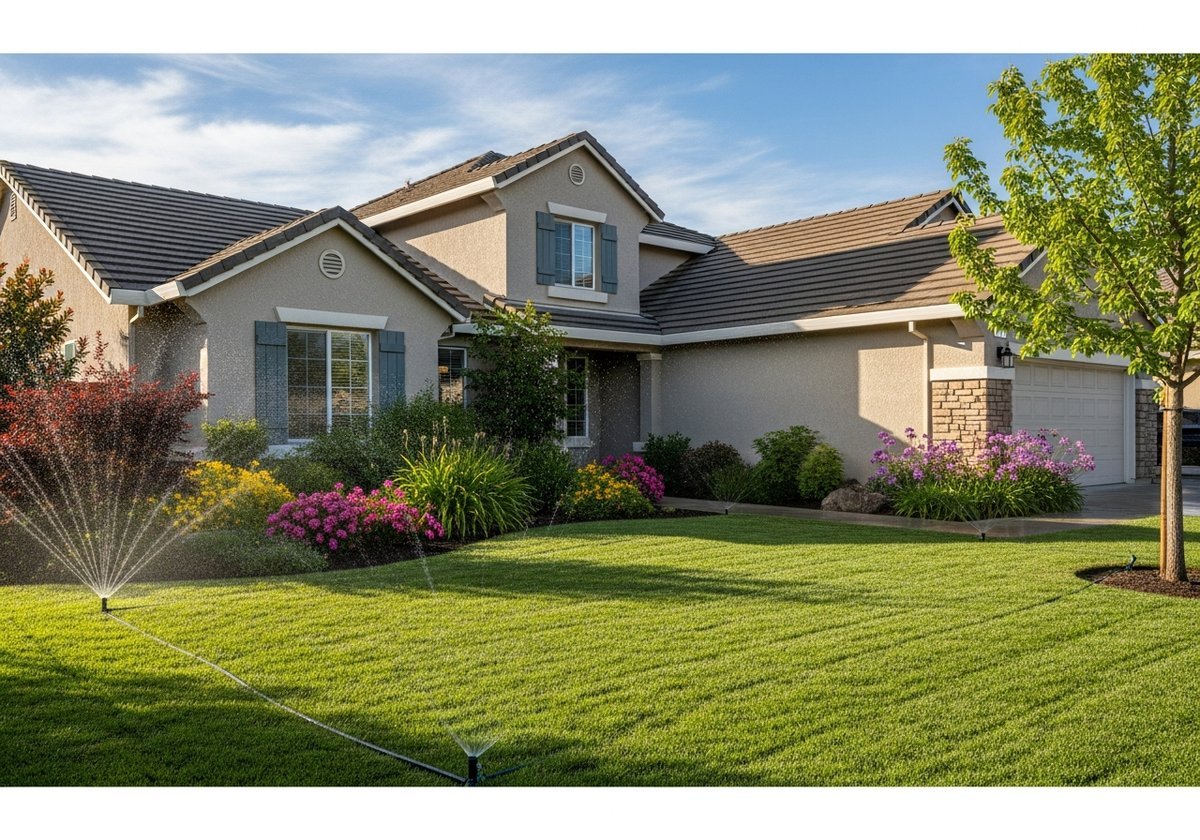
Installing an irrigation system in Riverbank, CA, involves unique challenges due to the area's mix of hardpan terrace ground, river-bottom loam, and reliance on City of Riverbank water or a private well. Whether you're in Crossroads, the Riverbank Industrial area, or old town Riverbank, here's a step-by-step guide to help you save water and keep your landscape thriving.
Quick overview: irrigation system types
Riverbank homeowners have several options for irrigation systems, each tailored to suit different property sizes and soil types. These systems include:
- Sprinkler systems: Best for lawns and larger areas with moderate watering needs. For example, a Crossroads homeowner with a 2,000 sq. ft. lawn might opt for rotary sprinklers, which evenly distribute water across wide spaces.
- Drip irrigation: Ideal for gardens, shrubs, and clay-based soil that benefits from slow, targeted watering. A Riverbank Industrial business with drought-resistant landscaping can use drip systems to conserve water for native plants.
- Soaker hoses: A budget-friendly alternative for small flower beds and raised gardens. In old town Riverbank, homeowners with compact yards can use soaker hoses to maintain vibrant vegetation without overspending.
Choosing the right system depends on your yard’s needs, water source, and soil composition. For example, a Riverbank resident with a mix of loam and clay soil might benefit from a hybrid system combining sprinklers for the lawn and drip irrigation for flower beds.
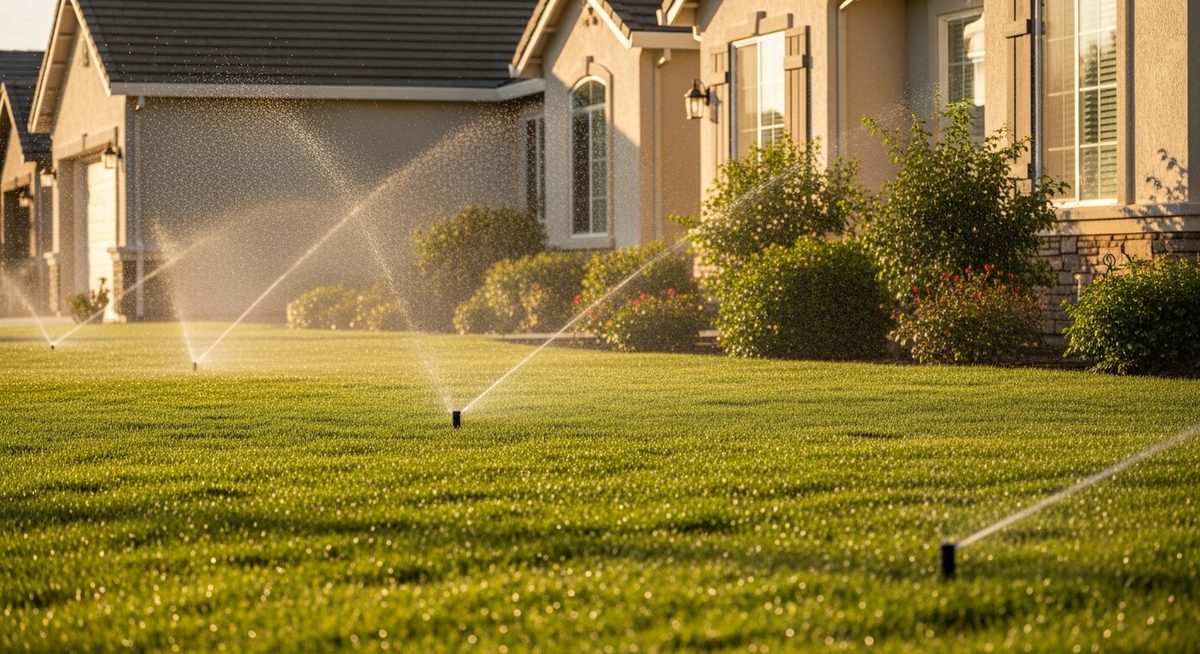
Step-by-step guide to installing sprinklers in Riverbank
Sprinkler systems are popular in Riverbank, but installing them requires careful planning to adapt to local conditions. Here’s how:
1. Test your water source
Riverbank properties rely on either City of Riverbank water or a private well. If you're on a well, ensure adequate pressure and flow rate before designing your system. Well water in Riverbank typically provides 30–50 psi, but a booster pump can elevate pressure for larger yards. For City of Riverbank water customers, check the city's summer watering days and hours. Check with the City of Riverbank for water conservation tips.
2. Analyze your soil
Riverbank soil varies significantly. Neighborhoods near the Stanislaus River typically have loamy soil that drains well, while areas farther out—like Crossroads—often sit on old terrace ground with a cemented hardpan roughly 2–3 feet down that holds water. For clay-heavy areas, opt for drip irrigation or install sprinklers with adjustable nozzles to prevent water pooling. Adding compost or gypsum to clay soil can improve drainage over time.
3. Plan the layout
Divide your yard into zones based on plant types and sunlight exposure. For example:
- Lawns in sunny areas (Crossroads): Use rotary sprinklers for even coverage and set timers for early morning watering.
- Shade gardens (old town Riverbank): Drip irrigation for precise watering that prevents fungal growth.
- Industrial landscaping (Riverbank Industrial area): Combine sprinkler zones with drip irrigation for water-intensive areas such as flower beds or trees.
Proper zoning reduces water waste and ensures every plant gets adequate hydration.
Sprinkler system costs in Riverbank
| System type | Installed cost |
|---|---|
| Basic sprinkler system | $2,000 – $4,500 |
| Drip irrigation system | $1,500 – $3,500 |
| Hybrid system (sprinkler + drip) | $3,500 – $6,500 |
| DIY materials only | $500 – $1,500 |
Pricing varies by yard size, soil preparation, and water source. For example, a 1,500 sq. ft. yard in Crossroads might cost $3,200 for a professionally installed sprinkler system.
Common irrigation challenges in Riverbank
1. Hardpan drainage
A cemented hardpan 2–3 feet down, common across much of Riverbank, traps water above it. To combat this:
- Install sprinklers with low-flow nozzles to prevent water pooling.
- Add organic matter like compost or peat moss to improve drainage.
- Consider drip irrigation for targeted watering of shrubs and flower beds.
2. Hot, dry summers
Riverbank summers often exceed 95°F, making water conservation critical. Use a smart irrigation controller to adjust watering times based on weather data, saving up to 20% on water bills. For more water-saving tips, visit EPA WaterSense.
3. Well water limitations
Homes using well water may experience pressure drops during summer. Install a booster pump or water storage tank to maintain consistent pressure. On larger properties, adding a 500-gallon storage tank can ensure reliable watering during peak usage.
Upgrading to smart irrigation systems
Smart irrigation controllers are becoming increasingly popular in Riverbank. These systems use weather data and soil sensors to adjust watering schedules automatically, ensuring optimal water usage.
These systems cost between $200 and $500, but it is worth asking the City of Riverbank about current conservation rebates.
DIY irrigation tips for Riverbank residents
If you're considering a DIY approach, here are some tips:
- Start small: Focus on one zone, such as a flower bed or vegetable garden, before tackling the entire yard.
- Use quality materials: Invest in durable hoses, connectors, and emitters to avoid frequent repairs.
- Test your system: Run the system for 15 minutes and check for leaks or uneven coverage.
While DIY can save money, professional installation ensures long-term performance and efficiency.
Tips for maintaining your irrigation system
To keep your system running smoothly, follow these maintenance tips:
- Inspect for leaks: Check hoses, valves, and sprinkler heads monthly. A single cracked valve can waste up to 50 gallons per day.
- Clean filters: Especially important for well water systems prone to sediment buildup. Residents near Riverbank Industrial often clean filters bi-weekly during peak summer months.
- Adjust watering schedules: Reduce watering in cooler months to prevent overwatering and root rot.
- Winterize: Drain pipes and shut off the system during freezing temperatures to avoid damage. Local professionals charge around $200 for winterization services.
Additional considerations: landscaping with native plants
Riverbank’s climate makes it ideal for drought-tolerant plants like California poppies, lavender, and manzanita. Incorporating native species into your landscape can reduce irrigation needs by up to 50%.
Native plants also thrive in Riverbank’s unique soil conditions, requiring less maintenance and fewer chemical fertilizers.
Frequently asked questions
What’s the best irrigation system for Riverbank soil?
Drip irrigation works well for clay soil, while sprinkler systems are better for loam. Hybrid systems are ideal for mixed soil types.
How much does a sprinkler system cost in Riverbank?
Installed systems typically range from $2,000 to $6,500 depending on size, soil prep, and components.
Can I use well water for irrigation?
Yes, but you may need a booster pump for consistent pressure. Test your well’s flow rate before installation.
How often should I water during summer?
For lawns, aim for 1–2 inches per week. Use a smart controller to optimize watering based on weather.
Is DIY irrigation worth it?
DIY can save money for small projects but requires time and expertise. Professional installation ensures long-term performance.
Final thoughts
Installing an irrigation system in Riverbank ensures your landscape stays healthy despite challenging soil and hot summers. Whether you’re in Crossroads, Riverbank Industrial, or old town Riverbank, customizing your system to local conditions is key. Call us today for a free consultation and expert advice!