
Irrigation Installation Tips for Drought in Riverbank
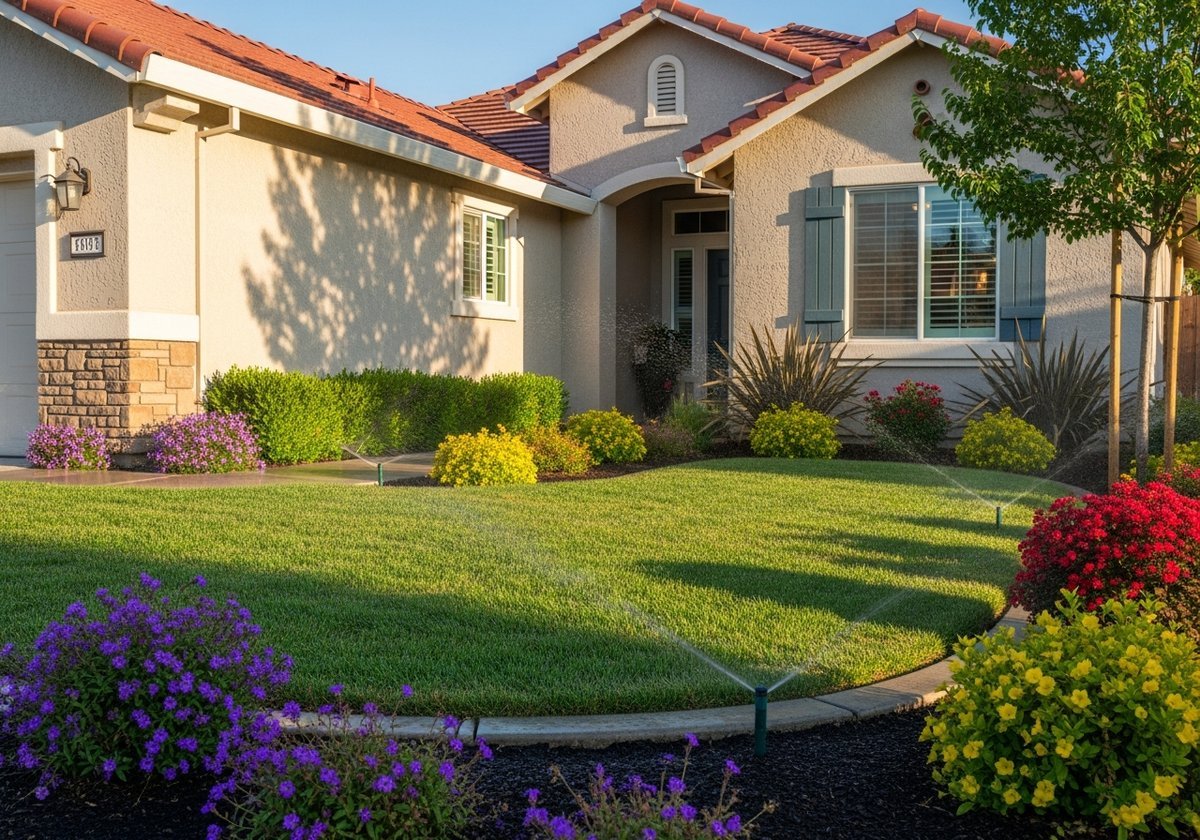
Riverbank homeowners face unique challenges during drought, with hot, dry summers and varied soil conditions ranging from river-bottom loam to hardpan terrace ground. Installing an efficient irrigation system tailored to these local factors is critical for keeping landscapes healthy while conserving water. Here’s how to plan and execute irrigation installation that works for Riverbank’s neighborhoods like Crossroads, Old Town Riverbank, and the Industrial Area.
Why Riverbank needs drought-smart irrigation
Riverbank’s climate, with summer highs often exceeding 95°F and low annual rainfall, puts lawns and gardens under stress. Combined with the City of Riverbank’s watering schedule, efficient irrigation isn’t just a convenience—it’s a necessity. In areas like Crossroads with sandy loam soil near the Stanislaus River, water drains quickly, while the hardpan terrace ground across much of town needs slower watering to avoid runoff.
During an average summer, Riverbank receives less than 12 inches of rainfall annually, making supplemental irrigation essential. Homeowners in neighborhoods like Old Town Riverbank often struggle to maintain green lawns and healthy plants without significant water waste. Tailored irrigation systems solve this problem by delivering water exactly where it’s needed.
In addition, drought restrictions often limit outdoor water use, emphasizing the need for systems that maximize efficiency. Smart irrigation controllers, which can reduce water usage by up to 30%, are becoming increasingly popular among Riverbank residents looking to balance conservation with landscape health.
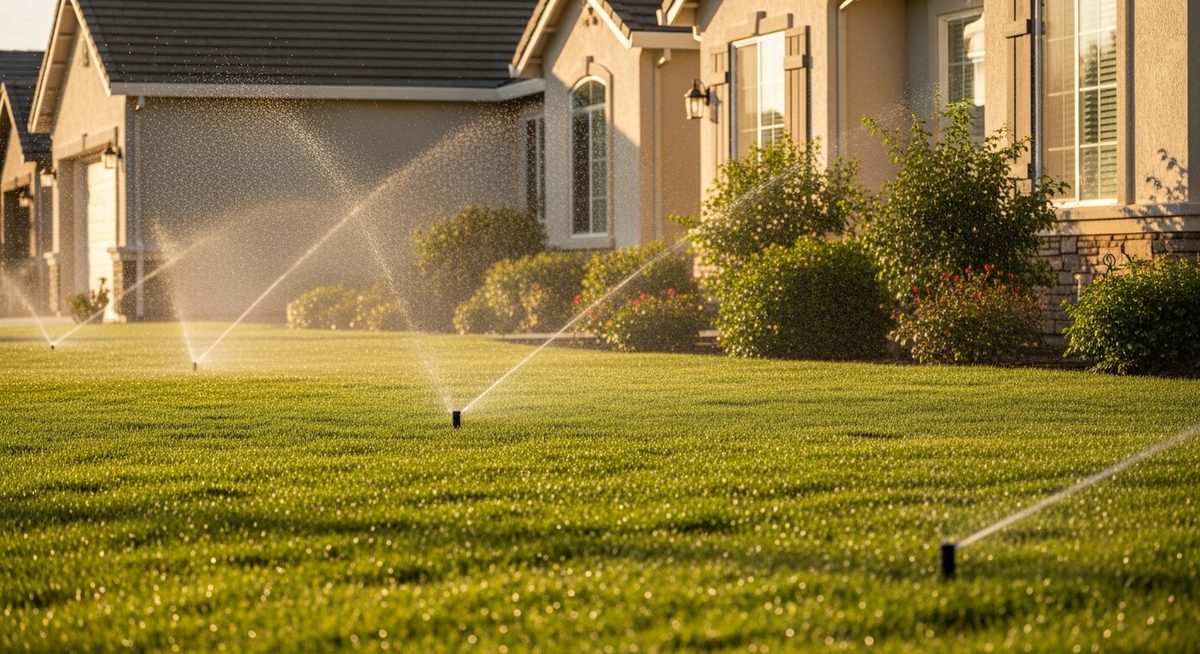
Step-by-step irrigation installation for Riverbank soil
1. Test your soil type
Riverbank’s soil varies by location. In neighborhoods near the Stanislaus River, river-bottom loam drains well but struggles to retain moisture. Across much of town, old terrace ground with a cemented hardpan roughly 2–3 feet down requires careful watering to avoid pooling. Use a soil test kit from UC Master Gardeners to determine your soil’s texture and adjust irrigation accordingly.
Understanding your soil type also helps you select the right plants for your yard. For example, clay soils are better suited for drought-tolerant shrubs like Toyon, while sandy soils work well with succulents and ornamental grasses.
2. Choose the right system
For sandy loam, drip irrigation systems are ideal—they deliver water directly to the roots and minimize evaporation. For clay soils, opt for sprinkler heads with adjustable flow rates to prevent runoff. Consider smart irrigation controllers that adjust watering schedules based on weather data, which is especially useful during drought.
Popular smart controllers like the Rachio 3 or Orbit B-hyve cost between $300 and $800, depending on features and compatibility. These systems have been shown to reduce water bills by 20–30% over time, making them a worthwhile investment for Riverbank residents.
Drip irrigation systems, which can cost between $1,500 and $3,500 for installation, are particularly effective for flower beds and vegetable gardens. Sprinkler systems, ranging from $2,000 to $4,500, are ideal for lawns and larger landscapes. Combining these systems in a zoned setup allows homeowners to optimize water delivery across their property.
3. Plan zones for different plants
Divide your landscape into zones based on water needs. Lawns in Old Town Riverbank may need more frequent watering, while native plants or drought-resistant species in Crossroads thrive with less. A zoned system ensures every area gets the right amount of water without waste.
For example, a yard might be split into three zones: a lawn zone with sprinklers, a flower bed zone with drip irrigation, and a native plant zone requiring minimal watering.
Consulting with local irrigation experts can help you design a zoning plan that works for your specific yard size, soil type, and plant selection. Palmstone Landscaping offers free consultations to help homeowners optimize their systems.
Cost breakdown of irrigation systems in Riverbank
| System type | Typical installed cost |
|---|---|
| Basic sprinkler system | $2,000 – $4,500 |
| Drip irrigation system | $1,500 – $3,500 |
| Smart irrigation controller | $300 – $800 |
| Per-zone addition | $150 – $400 per zone |
These costs reflect typical installations in Riverbank neighborhoods. Factors like yard size, soil type, and plant density can significantly affect pricing.
How to optimize well water for irrigation
If your property relies on a private well for irrigation, it requires careful management to avoid overuse. Install a pressure regulator to ensure consistent water flow and consider adding a filtration system to prevent clogging in drip lines. Regularly test well water quality for minerals and contaminants.
For example, a filtration system for well water might cost around $500 up front, and it can extend the lifespan of a drip irrigation system and reduce maintenance costs.
Additionally, pairing well water with smart controllers can help homeowners monitor usage and avoid depleting their water supply during the peak summer months.
Top drought-resistant plants for Riverbank
Pairing efficient irrigation with drought-tolerant plants reduces water demand significantly. Popular options for Riverbank include:
- California native species: Manzanita, Ceanothus, and Toyon thrive in local soil and climate.
- Succulents: Agave and Sedum add texture while requiring minimal watering.
- Ornamental grasses: Blue fescue and fountain grass are both low-maintenance and water-efficient.
Check UC Master Gardeners for more plant recommendations tailored to Stanislaus County.
Environmental benefits of efficient irrigation
Efficient irrigation systems not only save water but also reduce energy consumption and minimize runoff. Riverbank homeowners who adopt these systems can lower their carbon footprint and contribute to a healthier environment. For instance, reducing water waste helps prevent pollutants from entering the Stanislaus River.
Smart controllers, which adjust watering schedules based on local weather data, can reduce outdoor water usage by thousands of gallons per year. Additionally, pairing these systems with native plants promotes biodiversity and supports local ecosystems.
Investing in efficient irrigation is a small step that can have a big impact on both your landscape and the environment.
Frequently asked questions
What’s the best irrigation system for Riverbank hardpan soil?
Sprinklers with adjustable flow rates work best for slow-draining hardpan ground, as they allow slow, deep watering to prevent runoff. Pair them with a smart controller to optimize timing.
Can I use well water for drip irrigation?
Yes, but it’s important to install a filtration system to prevent mineral buildup in drip lines. Regularly test your well water for quality and adjust your system as needed.
How much does irrigation installation cost in Riverbank?
Costs range from $1,500 to $4,500 depending on the system type and yard size. Smart controllers and additional zones may slightly increase the total.
Are drip systems better for drought?
Yes, especially for sandy loam soils. Drip systems deliver water directly to plant roots with minimal evaporation, making them ideal for drought conditions.
Do smart controllers save water?
Absolutely. They adjust watering schedules based on weather forecasts and soil moisture levels, reducing waste and ensuring plants get exactly what they need.
Final word
Efficient irrigation is key to keeping Riverbank landscapes healthy during drought. Whether you’re in Crossroads or Old Town, tailoring your system to local soil, climate, and water source ensures maximum savings and plant health. Get a free irrigation estimate here or call (209) 593-6334 for personalized advice and installation.