
Cost to Install a Drought-Tolerant Yard in Riverbank
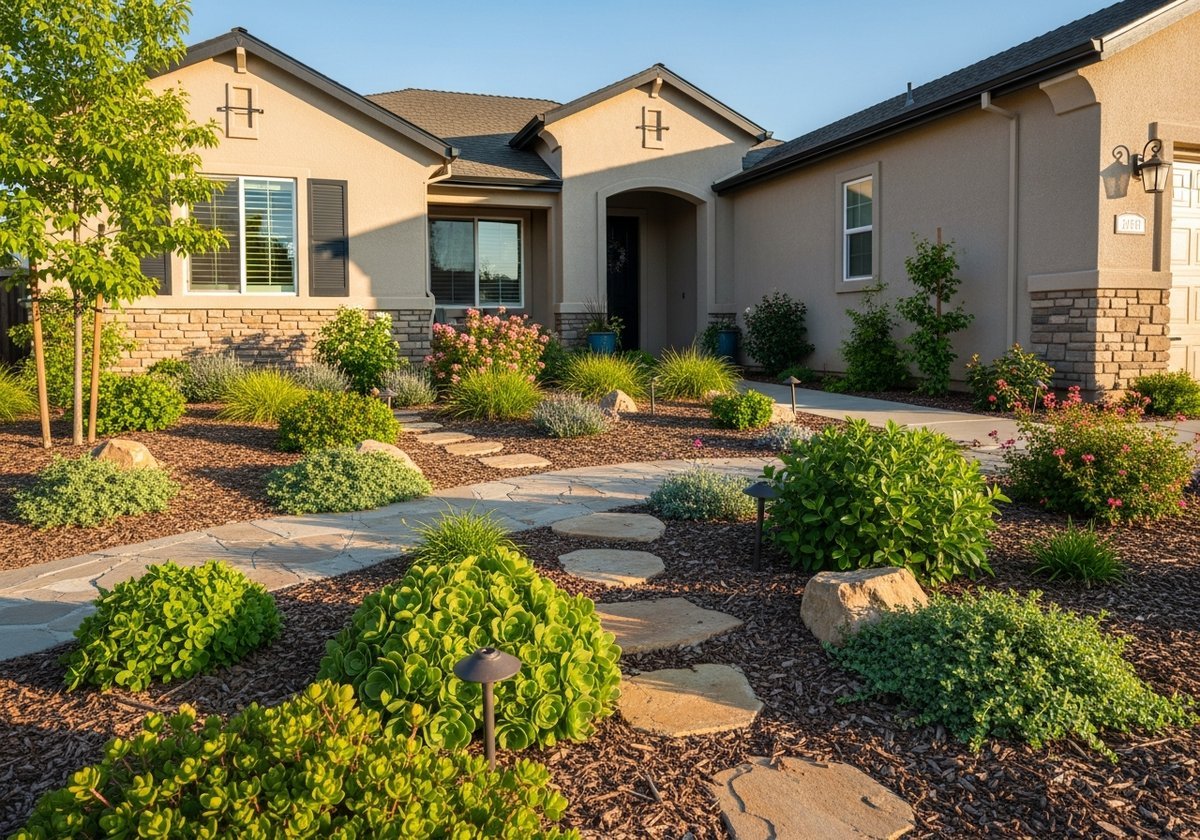
Drought-tolerant landscaping is gaining traction in Riverbank as homeowners look to save water and reduce maintenance. The average cost to install a drought-tolerant yard in Riverbank ranges from $8 to $25 per square foot, depending on design complexity, materials, and plant choices. Here’s a detailed look at what impacts the cost and why it’s a smart investment in Stanislaus County’s hot, dry climate.
Quick breakdown: drought-tolerant yard cost in Riverbank
| Yard size | Cost range |
|---|---|
| Small yard (500 sq ft) | $4,000 – $12,500 |
| Medium yard (1,000 sq ft) | $8,000 – $20,000 |
| Large yard (2,000+ sq ft) | $16,000 – $50,000+ |
| Per-square-foot rate | $8 – $25 / sq ft |
These estimates apply broadly to Riverbank neighborhoods like Crossroads, Old Town, and the Riverbank Industrial area. Actual costs depend on factors like soil type, irrigation needs, and plant selection. Schedule a consultation to get a precise quote for your property.

What’s included in a drought-tolerant landscape installation
Installing a drought-tolerant yard in Riverbank isn’t just about swapping grass for gravel. A proper installation includes:
- Site preparation: Removing existing turf or weeds, grading the land, and addressing drainage.
- Soil amendments: Adding compost or gypsum to improve soil structure, especially in areas with clay-heavy soil.
- Hardscape features: Paths, patios, or decorative rock to reduce water use and add visual interest.
- Drip irrigation: A water-efficient system tailored for native and drought-tolerant plants.
- Plant selection: Choosing low-water plants like California fuchsia, lavender, or deer grass that thrive in Riverbank’s climate.
- Mulching: Applying mulch to retain moisture and suppress weeds.
5 factors that influence cost in Riverbank
1. Soil type and site conditions
Riverbank’s soil varies from fertile river-bottom loam near the Stanislaus River to old terrace ground with a cemented hardpan roughly 2–3 feet down across much of town. Loamy soil is easier to work with, while hardpan ground requires more preparation for proper drainage. For example, in Crossroads, yards may need soil amendments to prevent water pooling, which adds to the cost.
2. Plant selection
Native and drought-tolerant plants vary in price. A 1-gallon California poppy might cost $6, while a 5-gallon desert willow tree can run $50 or more. For a balanced look, most homeowners mix low-cost ground covers with a few standout shrubs or trees.
3. Hardscaping
Adding features like decomposed granite paths, boulders, or a dry creek bed can significantly impact the budget. These elements often make up 30%–50% of a drought-tolerant yard’s cost but add longevity and curb appeal.
4. Irrigation
A properly installed drip irrigation system tailored to your plant layout is essential. Costs range from $1,500 to $3,500 for most Riverbank yards, depending on complexity. Ask the City of Riverbank about current conservation rebates for water-efficient systems — check the city’s water conservation programs for updates.
5. Yard size and complexity
Smaller yards cost less overall but may have a higher per-square-foot rate due to fixed costs like mobilization. Complex designs with curved borders, elevation changes, or multiple zones require more labor and materials.
Two sample budgets
Turning a 1,200 sq ft lawn into a drought-tolerant yard with a decomposed granite walkway, lavender, and a drip irrigation system might cost around $14,000, and it could cut the water bill by about 40%, or roughly $450 a year.
A smaller 600 sq ft renovation with California poppies, succulents, and a decorative dry creek bed might cost around $6,800 and could cut yard maintenance time by about 60%.
How to save on your drought-tolerant yard
While drought-tolerant landscaping can be a significant upfront investment, there are ways to reduce costs:
- DIY portions: Homeowners can save on labor by handling tasks like mulching or planting smaller plants themselves.
- Rebates: The City of Riverbank pays $2 per sq ft for replacing lawn, up to 1,000 sq ft ($2,000) per residential water account per fiscal year, first come first served while funding lasts. It reimburses products, not labor.
- Phased projects: Spread the cost over time by completing your yard in stages, starting with high-impact areas like the front yard.
Why switch to a drought-tolerant yard in Riverbank?
Riverbank’s hot, dry summers and periodic droughts make water-wise landscaping a practical choice. Benefits include:
- Lower water bills: A well-designed xeriscape can cut water use by up to 50% compared to traditional lawns.
- Reduced maintenance: No weekly mowing or frequent fertilizing — just occasional pruning and weeding.
- Environmental impact: Conserving water helps preserve the Stanislaus River watershed.
For homes on City of Riverbank water, reducing outdoor water use also eases demand during dry years.
Frequently asked questions
What plants work best for Riverbank xeriscaping?
Native plants like California poppy, manzanita, and deer grass thrive in Riverbank’s climate. Succulents and Mediterranean herbs like lavender and rosemary are also excellent choices for their drought resistance.
How long does it take to install a drought-tolerant yard?
Most projects take 1–2 weeks, depending on yard size and complexity. Larger yards with significant hardscaping may take longer.
Can I get rebates for switching to drought-tolerant landscaping?
Yes. The City of Riverbank pays $2 per sq ft for replacing lawn with drought-tolerant, permeable landscaping, up to 1,000 sq ft ($2,000) per residential water account per fiscal year, first come first served while funding lasts; it reimburses products, not labor. Check the city’s rebate program for details.
How much water can I save with a drought-tolerant yard?
Switching from a traditional lawn to xeriscaping can save up to 50% of your outdoor water use, depending on plant selection and irrigation efficiency.
Is xeriscaping more expensive than a lawn?
Upfront costs are higher, but xeriscaping pays off over time with lower water and maintenance expenses. Many Riverbank homeowners see savings within 5–7 years.
Final thoughts
A drought-tolerant yard is a smart investment for Riverbank homeowners looking to save water and reduce maintenance. From native plants to efficient irrigation, the right design can transform your outdoor space while lowering costs over time. Get a free estimate today or call (209) 593-6334 to start planning your yard.