
Riverbank Driveway Materials: Concrete vs Pavers
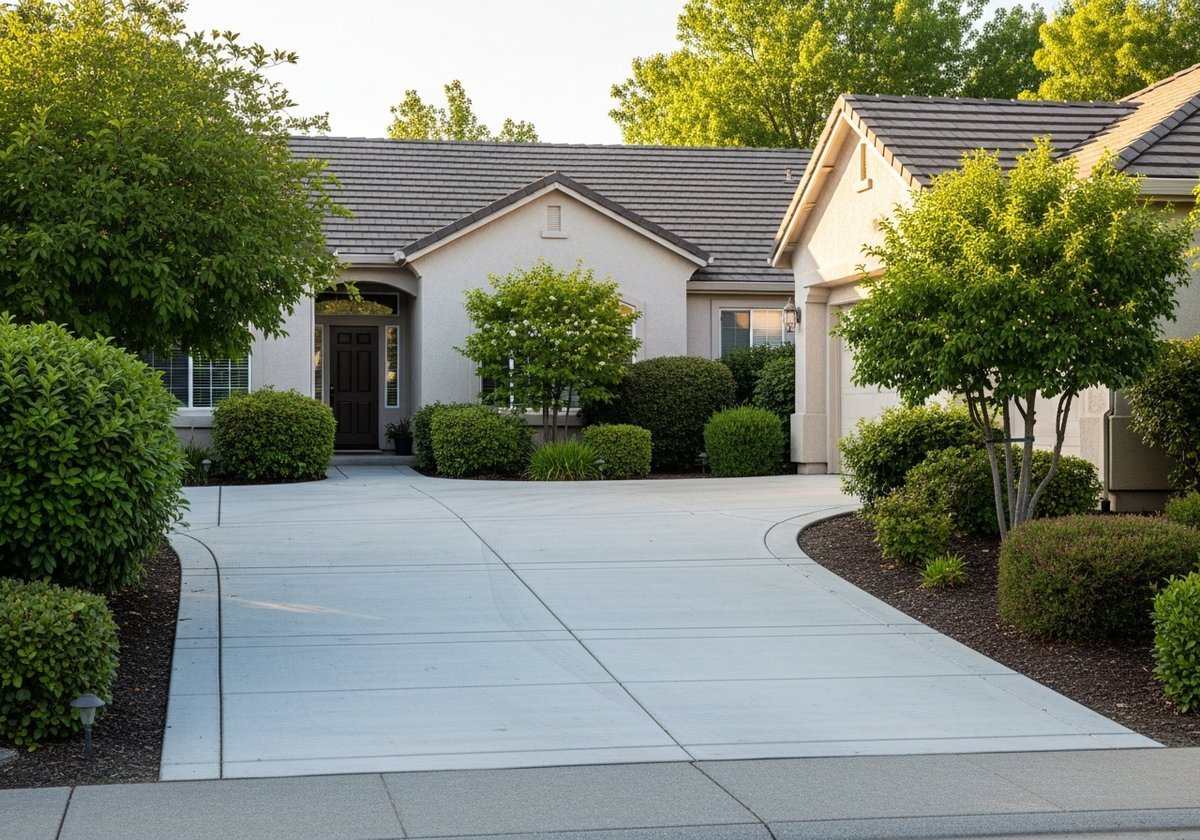
Choosing the right driveway material in Riverbank often comes down to concrete vs pavers. With hot summers, diverse soil types, and local water realities, each option has unique benefits and challenges for homeowners in neighborhoods like Crossroads, the Riverbank Industrial area, and old town Riverbank. Let's dive into the details to help you make the best choice.
Quick comparison: concrete vs pavers in Riverbank
| Feature | Concrete | Pavers |
|---|---|---|
| Cost | $6–$12 per sq ft | $10–$20 per sq ft |
| Durability | 20–30 years | 30–50 years |
| Style options | Limited | Wide selection |
| Maintenance | Low | Moderate |
| Climate impact | Can crack in hot, dry summers | Better flexibility for shifting soils |
These cost ranges reflect typical installations in Riverbank, including prep work for loam or hardpan soils. For exact pricing, a site visit is essential.
For example, a 300-square-foot concrete driveway might cost around $2,100, while a 500-square-foot paver driveway might run about $5,000. The differences in cost often come down to material choices, labor, and soil preparation.
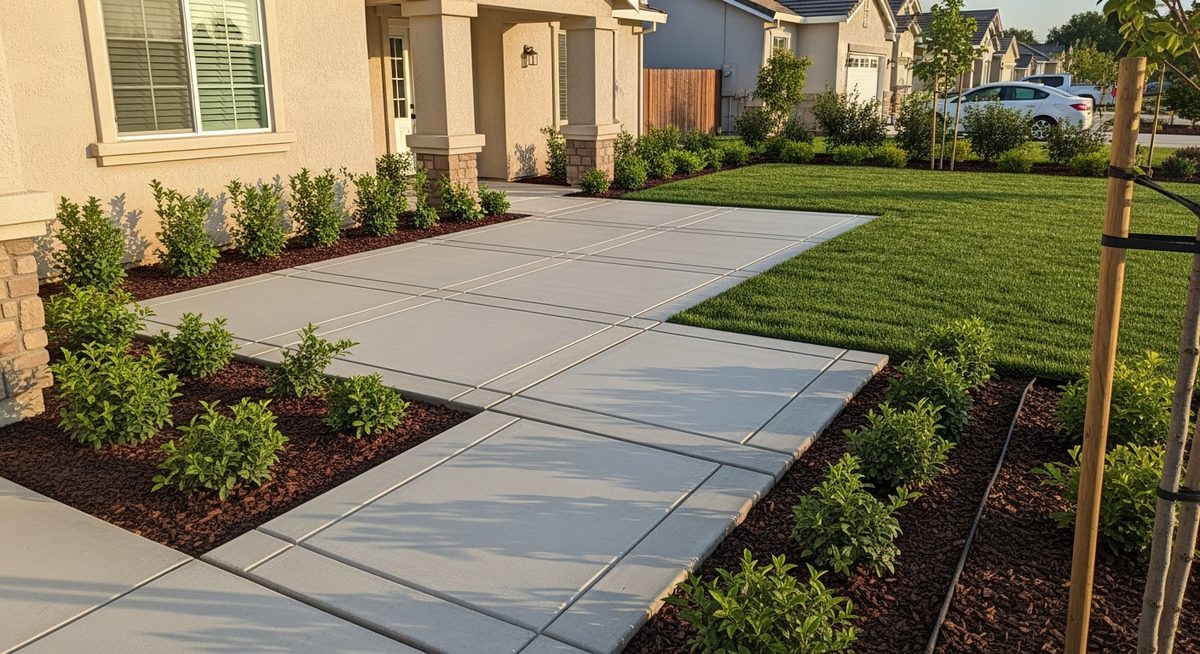
Concrete driveways: benefits and challenges
Concrete is a popular choice for driveways in Riverbank because it's cost-effective and durable. It performs well on the sandier ground near the Stanislaus River. However, on the old terrace ground with a cemented hardpan that covers much of town, homeowners should consider reinforcement options.
For example, a 600-square-foot concrete driveway with rebar reinforcement as a precaution might cost around $4,800, and the rebar helps minimize cracking through Riverbank's hot summer months.
Advantages of concrete
- Lower upfront cost: Concrete driveways typically cost $6–$12 per square foot installed, making it a budget-friendly option.
- Low maintenance: Once installed, concrete requires minimal upkeep beyond occasional cleaning and sealing.
- Durability: Properly installed concrete can last 20–30 years in Riverbank's climate.
On a 300-square-foot driveway, choosing concrete over pavers might save around $1,200, trading some style for low maintenance and affordability.
Drawbacks of concrete
- Cracking: Riverbank's hot summers and shifting or poorly drained ground can cause concrete to crack over time. Expansion joints can help mitigate this.
- Limited aesthetics: While stamped concrete offers more design options, it doesn't match the visual versatility of pavers.
- Drainage issues: Concrete is impermeable, which can lead to water pooling if the driveway lacks proper grading.
For example, if a new concrete driveway pools water, a follow-up grading adjustment might cost an additional $800 to resolve the problem.
Paver driveways: benefits and challenges
Pavers are a premium choice for Riverbank homeowners looking for durability and style. They're particularly well-suited for areas with clay soil, as their flexible design can handle minor ground shifts without cracking.
For example, a 1,000-square-foot paver driveway might cost around $15,000; the upfront cost is higher, but its drainage pays off when a rare heavy downpour hits.
Advantages of pavers
- Stylish variety: Pavers come in a wide range of colors, shapes, and patterns, allowing homeowners to customize their driveways.
- Longevity: Paver driveways can last 30–50 years with proper installation and maintenance.
- Better drainage: Pavers are permeable, which helps manage water runoff during Riverbank's rare but heavy rains.
For example, cobblestone pavers chosen to match a historic home in old town Riverbank might cost around $9,000 for a 600-square-foot driveway and give curb appeal a real boost.
Drawbacks of pavers
- Higher upfront cost: Pavers typically cost $10–$20 per square foot, nearly double the price of concrete.
- Regular maintenance: Pavers require occasional weed removal and resealing to maintain their appearance and functionality.
- Labor-intensive installation: Installing pavers involves precise work, which can increase labor costs.
For example, catching up on repairs and resealing for a 10-year-old paver driveway might cost around $3,200, which is why regular maintenance matters.
How Riverbank's soil affects driveway installations
Riverbank's soil composition plays a significant role in driveway material selection. Near the Stanislaus River, the soil is loamy and drains well, making it ideal for both concrete and pavers. However, much of the town farther from the river sits on old terrace ground with a cemented hardpan roughly 2–3 feet down that requires special preparation.
For example, excavating an additional six inches of soil before installing a paver driveway might add around $1,200 to the cost, but it helps ensure long-term stability.
Tips for loamy soil
- Concrete driveways can be installed with standard excavation and grading.
- Pavers require a compacted gravel base to ensure stability over time.
Tips for clay soil
- Concrete installations should include rebar or wire mesh to prevent cracking.
- Pavers benefit from a deeper base layer to accommodate soil movement.
- Consider permeable pavers to improve drainage.
Cost breakdown for Riverbank driveways
Here's a closer look at the costs for concrete and paver driveways in Riverbank:
| Driveway size | Concrete cost | Paver cost |
|---|---|---|
| Small (300 sq ft) | $1,800–$3,600 | $3,000–$6,000 |
| Standard (600 sq ft) | $3,600–$7,200 | $6,000–$12,000 |
| Large (1,000 sq ft) | $6,000–$12,000 | $10,000–$20,000 |
These estimates include excavation, base preparation, and material installation. For exact pricing, contact us for a free site evaluation.
Frequently asked questions
Which driveway material lasts longer in Riverbank?
Pavers last longer, typically 30–50 years, compared to concrete's 20–30 years. Their flexibility lets them handle minor ground movement.
Are pavers worth the extra cost?
Yes, if you're looking for style, durability, and better drainage. Pavers cost more upfront but offer greater longevity and curb appeal.
Does Riverbank's climate affect driveway choice?
Yes. Hot, dry summers can cause concrete to crack, especially in clay soil areas. Pavers handle soil movement better and are more resilient.
How do I maintain a paver driveway?
Regularly remove weeds, reseal every few years, and replace any damaged pavers. Maintenance is moderate but keeps the driveway looking great.
Can I install a driveway myself?
DIY is possible but challenging. Professional installation ensures proper grading, base preparation, and longevity, especially in Riverbank's diverse soils.
Final word
Choosing between concrete and pavers for your Riverbank driveway comes down to budget, style preferences, and soil considerations. Concrete offers affordability and simplicity, while pavers provide unmatched durability and aesthetics. For tailored advice, get a free Riverbank driveway estimate here or call (209) 593-6334 to discuss your options with our team.