
Best Sprinkler Systems for Drought in Riverbank
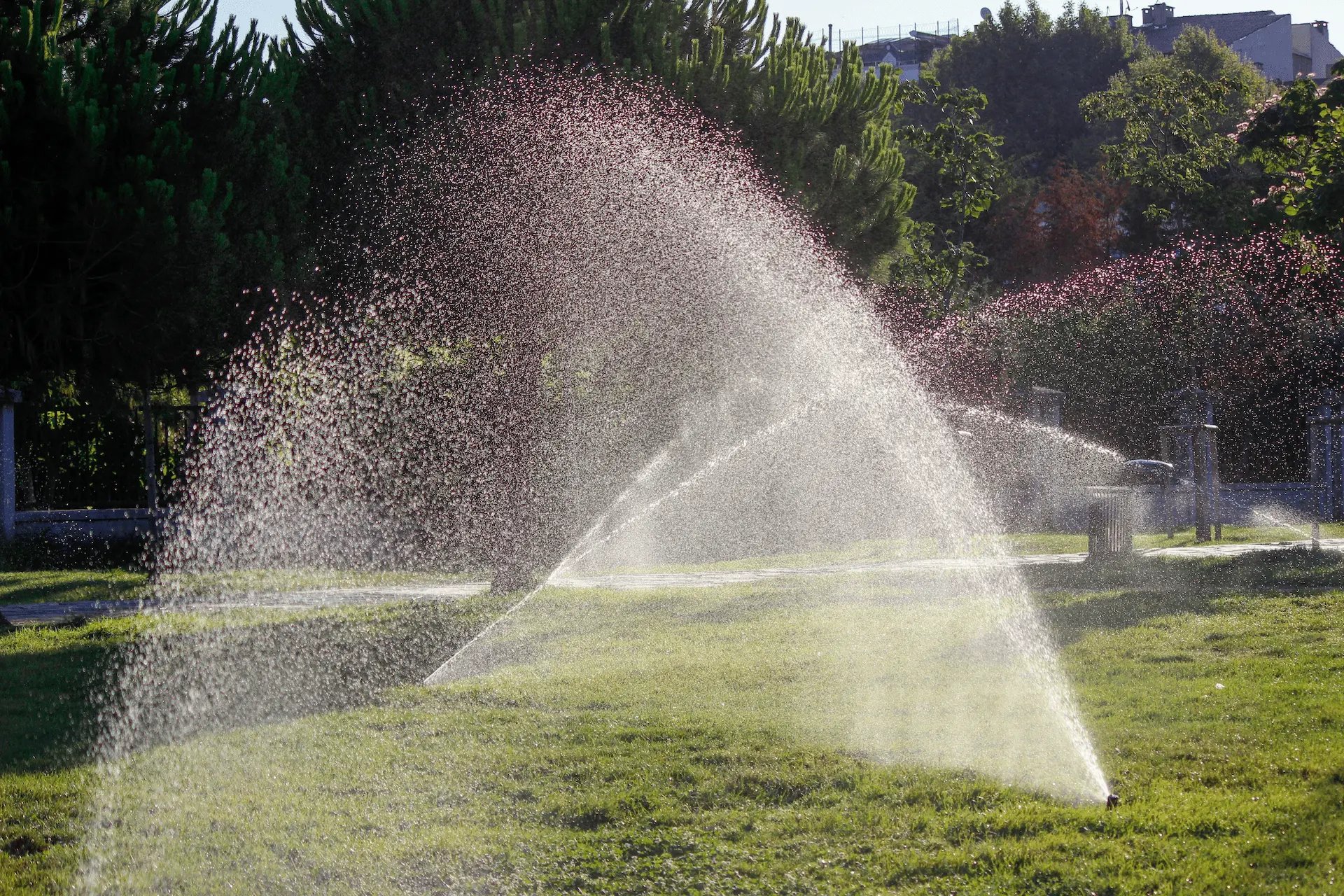
Riverbank summers are hot and dry, with temperatures often climbing above 100°F and water conservation a priority under City of Riverbank watering rules. Choosing the right sprinkler system can help Riverbank homeowners maintain their landscapes while saving water during drought conditions. From smart controllers to drip irrigation, here’s a full breakdown of the best systems for local yards.
What makes a sprinkler system drought-friendly?
Drought-friendly systems focus on delivering water efficiently, minimizing evaporation, and targeting roots directly. In Riverbank, where soil ranges from river-bottom loam near the Stanislaus River to old terrace ground with a cemented hardpan roughly 2–3 feet down across much of town, proper water delivery is essential. Features to prioritize include:
- Smart controllers: Automatically adjust watering schedules based on weather forecasts and soil moisture levels.
- Drip irrigation: Delivers water directly to plant roots, reducing waste and evaporation.
- Rotary nozzles: Provide slow, even coverage ideal for clay soils that struggle to absorb water quickly.
- Rain sensors: Prevent unnecessary watering after storms.
For example, pairing a smart controller with rotary nozzles can cut summer water use by around 25% while staying within the city’s watering rules and keeping the lawn green.
Additionally, Riverbank’s unique climate necessitates systems that can adapt to both extreme heat and occasional rainfall. Homeowners often find that combining multiple drought-friendly features, such as pairing drip irrigation with rain sensors, can lead to water savings of up to 40% annually.
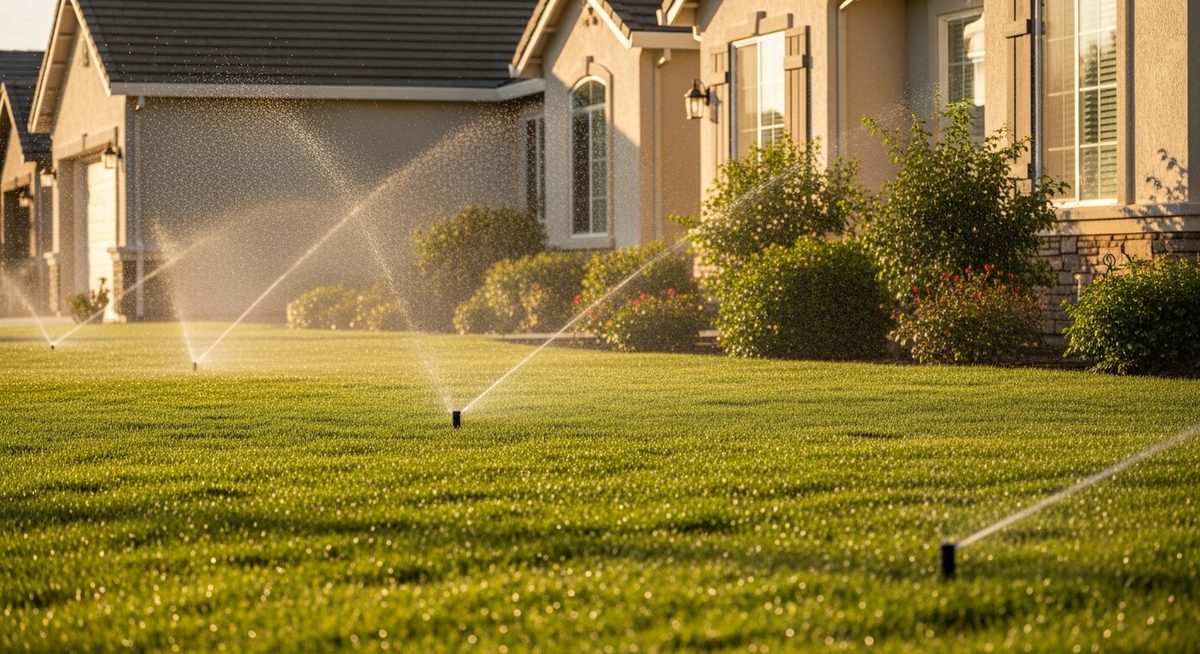
Top sprinkler system options for Riverbank yards
Here are the best solutions for Riverbank homeowners looking to conserve water while keeping their landscapes healthy:
1. Smart sprinkler controllers
Smart controllers like the Rachio 3 or Rain Bird ESP-TM2 can save up to 30% more water compared to traditional timers. These systems connect to Wi-Fi and use local weather data to adjust watering schedules. For Riverbank residents on City of Riverbank water, this level of customization is invaluable during drought periods.
For instance, upgrading to a smart controller like the Rachio 3 might save an estimated 10,000 gallons of water a year, because it adjusts automatically for Riverbank’s summer heatwaves and occasional rainstorms.
Another benefit of smart controllers is their ease of use. Many models come with mobile apps, allowing you to adjust watering schedules remotely. This feature is particularly useful for Riverbank residents who travel frequently or own rental properties.
2. Drip irrigation systems
Drip systems are ideal for Riverbank’s diverse soils. In areas with river-bottom loam, they provide consistent moisture without runoff. On hardpan terrace ground, drip irrigation prevents puddling by slowly delivering water to plant roots. Systems like Netafim or Rain Bird drip kits are easy to install and highly water-efficient.
For example, switching a 1,200-square-foot garden to drip irrigation, combined with mulch to retain soil moisture, might bring a $150 monthly water bill down to around $90.
Drip irrigation is also versatile. It can be customized for flower beds, vegetable gardens, and even individual trees, making it a popular choice for Riverbank residents who want to maintain varied landscaping without wasting water.
3. Rotary sprinkler heads
Rotary heads offer slow, even water distribution, making them perfect for clay soils that absorb water slowly. Hunter MP Rotator heads are popular for Riverbank lawns, especially in larger yards. They use up to 30% less water than traditional spray heads while improving coverage.
For a standard 5,000-square-foot lawn in Riverbank, installing rotary heads can cost around $500–$800 but quickly pays for itself in water savings.
In addition, rotary nozzles are less prone to wind drift, which is a common issue in Riverbank’s breezy afternoons. This ensures that water lands exactly where it’s needed, further reducing waste.
4. Rain sensors
Rain sensors like the Rain Bird WR2 Wireless Rain Sensor prevent overwatering after storms, which is crucial for Riverbank homeowners looking to comply with conservation rules. These sensors integrate seamlessly with most sprinkler controllers.
Installing a rain sensor costs about $120–$200 and can reduce unnecessary watering by 15%, which is especially beneficial during Riverbank’s rare but heavy winter rains.
Even during dry seasons, having a rain sensor can prevent your system from turning on during unexpected weather changes, saving you money and water in the long run.
How much do sprinkler systems cost in Riverbank?
| System type | Average cost (installed) |
|---|---|
| Smart controller upgrade | $300 – $800 |
| Drip irrigation (per zone) | $500 – $1,200 |
| Rotary sprinkler heads | $10 – $25 per head |
| Complete system install | $2,500 – $6,000 |
Costs vary based on yard size and complexity, particularly in neighborhoods like old town Riverbank where homes may require customized layouts.
For a typical 7,500-square-foot yard in Riverbank, a complete sprinkler system installation may cost around $4,000. However, smaller yards in areas like River Cove might only require a $2,500 investment. Don’t forget to ask the City of Riverbank about current conservation rebates, which may also help offset some of these costs.
How to maintain your sprinkler system
Proper maintenance is key to keeping your system efficient and effective. Riverbank’s hot summers can wear out components faster, so regular checks are essential:
- Inspect for leaks: Check for puddles or uneven watering, which can indicate damaged pipes or heads.
- Clean nozzles: Remove debris from nozzles to prevent clogs, especially in dusty areas near Riverbank’s industrial zones.
- Adjust schedules: Update watering times seasonally, reducing frequency during cooler months.
For example, fixing a single leaking valve and adjusting the watering schedule with the seasons might save around $50 a month.
Benefits of pairing mulch with irrigation
Mulch can significantly enhance the efficiency of your sprinkler system by reducing evaporation and keeping soil cool. In Riverbank’s hot climate, pairing a drip irrigation system with a 2- to 3-inch layer of mulch can cut water usage by up to 50%.
Landscaping with native plants
Incorporating native plants into your landscaping can significantly reduce water usage while maintaining a beautiful and vibrant yard. Riverbank’s climate is well-suited for drought-tolerant plants like California poppies, manzanita, and deer grass. These plants require less water and are naturally resistant to local pests and diseases.
For example, replacing a water-intensive lawn with a mix of native grasses and succulents can cut water use by around 40% and might save over $600 a year. Native plants also create a habitat for local wildlife, encouraging pollinators like bees and butterflies to thrive.
To maximize the benefits, pair native plants with drip irrigation systems that target water directly to their roots, ensuring they stay healthy even during Riverbank’s hottest months.
Incentives and rebates for Riverbank homeowners
Riverbank residents should check for rebates before upgrading their sprinkler systems. Ask the City of Riverbank, your water provider, whether it currently offers rebates for water-efficient systems like drip irrigation and smart controllers.
For lawn replacement, the City of Riverbank pays $2 per sq ft, up to 1,000 sq ft ($2,000) per residential water account per fiscal year, first come first served while funding lasts; the new landscaping must be drought tolerant and permeable, and the rebate covers products, not labor.
Check with local agencies and water providers for the most up-to-date information on available rebates. Where a rebate applies, it can help offset the initial investment in modern sprinkler technology.
Frequently asked questions
What’s the best sprinkler system for Riverbank’s hardpan soil?
Rotary nozzles are ideal for slow-draining hardpan ground because they deliver water slowly, allowing it to absorb without runoff. Drip irrigation also works well for targeted watering.
Do smart controllers work with Riverbank’s watering rules?
Yes, smart controllers can optimize water use within the City of Riverbank’s watering rules, helping Riverbank homeowners conserve water during drought conditions.
How much does a sprinkler system cost in Riverbank?
Costs range from $300 for a smart controller upgrade to $6,000 for a complete system installation. Factors include yard size and soil type.
Is drip irrigation better than sprinklers?
Drip irrigation is more water-efficient, especially for plants and shrubs. Sprinklers are better for lawns. Many Riverbank homeowners use both systems.
Can I install a sprinkler system myself?
DIY is possible for small systems, but professional installation ensures better efficiency and performance, especially for Riverbank’s diverse soils.
Final word
Choosing a drought-friendly sprinkler system in Riverbank is about balancing water efficiency with landscape needs. Smart controllers, drip irrigation, and rotary heads can help homeowners save water and thrive during hot summers. Learn more about water-efficient systems here, or call Palmstone Landscaping for a free consultation and tailored solutions for your yard.