
Ripon Sandy Loam: Why Modesto Lawn Advice Does Not Transfer
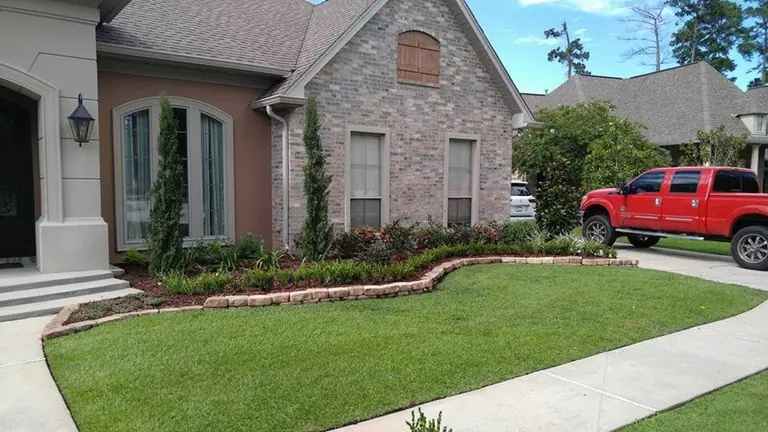
Most lawn advice written for this region is written for Modesto, and many Modesto yards sit on clay. Ripon does not. If you have moved eight miles north and your usual routine has stopped working, the soil is a likely reason.
The difference in one sentence
Ripon sits in San Joaquin County on ground that is commonly sandy loam rather than the clay found in many Modesto yards. That difference matters more than most people expect: sandy loam drains quickly and holds less water, so it forgives runoff but punishes long gaps between watering.
Clay is the opposite: it accepts water slowly, runs off if you push it, and then holds what it did absorb for a long time. Advice tuned for one behaves badly on the other.
What it changes about watering
On clay the standard fix is cycle-and-soak, splitting a run into shorter passes so water has time to penetrate instead of sheeting off. On sandy loam that is usually unnecessary; the water goes in readily.
The risk here is the opposite one. Water passes below the root zone if you apply too much at once, which wastes it and encourages shallow rooting. Ripon's three summer days suit this well: moderate applications spread across the week beat two heavy soakings.
From March through October, even-numbered addresses water Tuesday, Thursday and Saturday. Odd-numbered addresses water Wednesday, Friday and Sunday. Nobody waters Monday, and nobody waters between 10 a.m. and 6 p.m.
If you are seeing dry patches by day two in July, the answer is usually better distribution rather than longer run times.
What it changes about feeding
Sandy soils hold nutrients less tightly than clay, and nitrogen in particular leaches down past the roots with irrigation water.
Lighter, more frequent feeding works better here than one heavy annual application, and slow-release formulations hold up considerably better than quick-release ones. Dumping a heavy spring feed on sandy loam largely feeds the groundwater.
Organic matter is the single best investment
Compost does for sandy soil exactly what it does for clay, from the opposite direction: it increases how much water and nutrient the root zone can hold.
Top-dressing an established lawn with a thin layer of compost in autumn, ideally after aerating, compounds year on year. On sandy loam it is the most useful thing you can do for summer resilience.
Before a new lawn goes in, working compost through the top 4–6 inches is worth more than any product you can apply afterwards.
This is almond country for a reason
Ripon is known as the Almond Capital of the World, and it earned that on the back of these soils. Sandy loam drains well and warms early, which orchards like.
The same properties that suit almonds are workable for lawns. They just need a different routine than the clay-adapted one most people arrive with.
Frequently asked questions
What kind of soil does Ripon have?
Ripon sits in San Joaquin County on soils that are commonly sandy loam, unlike many Modesto yards, which are clay. Sandy loam drains quickly and holds less water.
Should I use cycle-and-soak in Ripon?
Usually not. Cycle-and-soak solves runoff on clay soils. On sandy loam water absorbs readily, so the greater risk is applying too much at once and pushing it below the root zone.
How should I fertilise a lawn on sandy soil?
Lighter and more frequently, using slow-release formulations. Sandy soils hold nutrients less tightly, and nitrogen leaches past the roots with irrigation water.
What is the best soil improvement for a Ripon lawn?
Compost. Top-dressing after autumn aeration increases how much water and nutrient the root zone holds, which is the main limitation of sandy loam.