
Modesto Summer Lawn Maintenance Tips for 2026
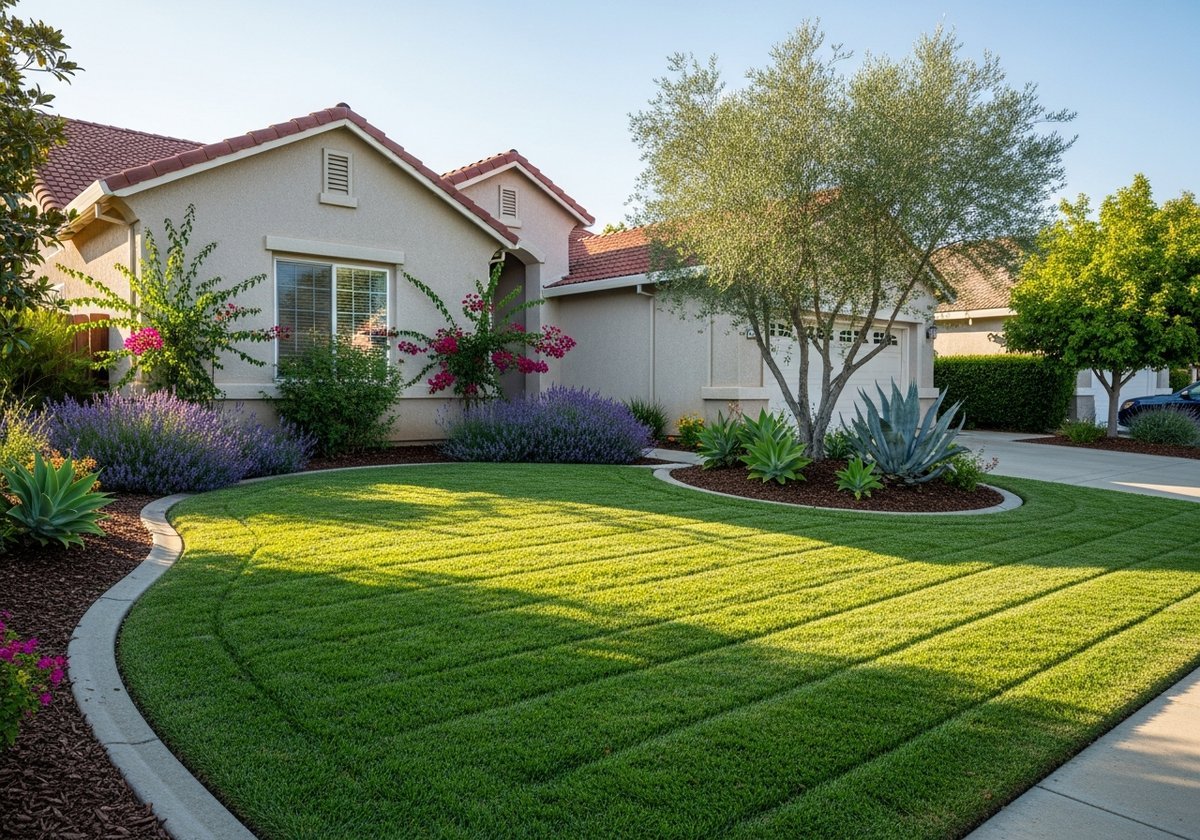
Keeping your lawn lush and healthy through Modesto’s scorching summer heat can feel like a challenge. With temperatures often exceeding 100°F and water restrictions from the Modesto Irrigation District (MID), smart lawn care is essential. Follow these expert tips tailored to our local soil and climate to maintain a thriving lawn in 2026.
1. Choose the right grass for Modesto's climate
Not all grass types thrive in Modesto's hot, dry summers. For drought tolerance and heat resistance, consider warm-season grasses like Bermuda, Zoysia, or Buffalo grass. These varieties are well-suited to handle both the heat and the clay-heavy soil found in neighborhoods like Village One and Dry Creek. UC Master Gardeners recommend Bermuda grass for its ability to withstand high traffic and rapid recovery.
If you live in older neighborhoods like La Loma or Graceada Park with better loam soil, you may also have success with cool-season grasses like Fescue, but they require more water and care during peak summer months. Homeowners in these areas often spend $60–$150 monthly on irrigation to maintain cool-season lawns during Modesto's summer.

2. Water deeply but infrequently to save with MID
With MID water rates and restrictions, efficient watering is crucial. Focus on deep, infrequent watering to encourage deep root growth. For most Modesto lawns, this means watering 1–2 times per week, delivering about 1–1.5 inches of water each time. Use a rain gauge or tuna can to measure accurately.
Set your sprinklers to run early in the morning, between 4–8 AM, to minimize evaporation. For example, a homeowner in the College Area who switched to this schedule reported reducing water usage by 20% compared to evening watering. Check the Modesto Irrigation District website for the latest watering schedules and restrictions.
3. Mow high and often
During summer, raise your mower blades to leave your grass at least 3–4 inches tall. Taller grass shades the soil, reducing evaporation and promoting healthier roots. Mow frequently enough that you’re never removing more than one-third of the grass blade height at a time, which prevents stress on the lawn.
In neighborhoods like College Area or Sherwood, where tree shade can vary, adjust your mowing height accordingly to balance sunlight and growth. Homeowners with larger yards often spend $40–$80 per week on professional mowing services tailored to these needs.
4. Aerate and dethatch for healthier roots
Clay-heavy soils in newer developments like Village One often compact easily, making it harder for water and nutrients to reach the roots. Aerate your lawn in late spring or early summer to break up the soil and improve drainage. Rent a core aerator for about $80 per day or hire a professional service for $150–$300.
If your lawn has a thick layer of thatch (over ½ inch), dethatching is essential. Thatch can block water and nutrients from penetrating the soil, especially in older neighborhoods with established lawns like Graceada Park. A homeowner in Dry Creek recently transformed their lawn’s health by dethatching, spending $200 on professional services.
5. Fertilize wisely
Feeding your lawn is critical during the growing season, but over-fertilizing can burn your grass in the summer heat. Use a slow-release, nitrogen-rich fertilizer in early summer to provide steady nutrients. Avoid fertilizing during peak heat waves to prevent stress on your lawn.
For organic options, consider compost topdressing, which also improves soil structure — particularly beneficial for Modesto’s clay soils. A bag of compost costs $10–$15, and applying it annually can significantly reduce water needs.
6. Manage lawn pests and weeds
Summer heat can bring pests like grubs and chinch bugs, which damage grass roots. Keep an eye out for brown patches or wilting, and treat infestations promptly with targeted pesticides or natural remedies.
Weeds like crabgrass and spurge thrive in Modesto’s summer climate. A homeowner in La Loma recently prevented crabgrass with a $25 pre-emergent herbicide, saving hours of manual weeding later in the season. Spot-treat any weeds that appear with post-emergent products.
7. Adjust irrigation for shaded areas
Lawns in shaded areas, such as under trees in La Loma or Dry Creek, require less water than those in full sun. Overwatering shaded spots can lead to fungal diseases. Adjust your sprinkler zones and timing to match the specific needs of each area in your yard.
A homeowner in Graceada Park reduced their water bill by $50 monthly by fine-tuning irrigation for shaded sections of their lawn.
8. Monitor for fungal diseases
High humidity and warm nights can lead to fungal issues like brown patch or dollar spot. To prevent these, avoid watering in the evening and ensure proper drainage. If you notice discolored patches, consult a local expert or use a fungicide labeled for your grass type.
Fungicide treatments in Modesto typically cost $20–$40 per application, depending on the size of your lawn and severity of the issue.
Adding drought-tolerant landscaping to your yard
With California’s ongoing drought concerns, consider transitioning parts of your yard to drought-tolerant landscaping. Replace hard-to-maintain lawn areas with native plants or xeriscaping. Popular choices in Modesto include California poppies, lavender, and succulents like agave. Homeowners often spend $1,500–$5,000 for professional xeriscaping projects.
Check out resources from EPA WaterSense for water-efficient landscaping ideas. Xeriscaping not only reduces water bills but also adds unique curb appeal to homes in neighborhoods like Village One.
Maximizing curb appeal with hardscaping
Hardscaping elements such as patios, pathways, and decorative rocks can complement your lawn while reducing maintenance. A concrete patio installation in Modesto typically costs $2,000–$5,000, depending on size and design.
Homeowners in downtown Modesto have increasingly embraced hardscaping to create functional outdoor spaces that thrive even during water restrictions. Incorporating features like gravel paths or retaining walls can also help manage drainage issues in clay soil areas.
Frequently asked questions
What’s the best grass type for Modesto?
Warm-season grasses like Bermuda and Zoysia are ideal for Modesto’s heat. In older neighborhoods with better loam soil, Fescue can also thrive with extra care.
How often should I water my lawn in summer?
Water deeply 1–2 times per week, delivering 1–1.5 inches each time. Water early in the morning to minimize evaporation and comply with MID water schedules.
Should I mow during heat waves?
Yes, but raise your mower blades to leave grass 3–4 inches tall. This helps shade the soil and retains moisture, reducing stress on your lawn.
How do I prevent fungal diseases?
Avoid watering in the evening, improve drainage, and address shaded areas with proper irrigation adjustments. Treat any signs of fungus promptly.
Can I replace part of my lawn with drought-tolerant plants?
Yes, xeriscaping with native plants is a great way to reduce water use while maintaining an attractive yard. It’s a popular choice in Modesto.
Final word
Maintaining a lush lawn in Modesto’s summer heat requires a combination of smart watering, proper mowing, and seasonal care. By tailoring your approach to local soil and climate conditions, you’ll enjoy a green, healthy yard all season long. For expert lawn care services, contact our Modesto team or call (209) 593-6334 today.