
Modesto Drought-Tolerant Yard Design Guide for 2026
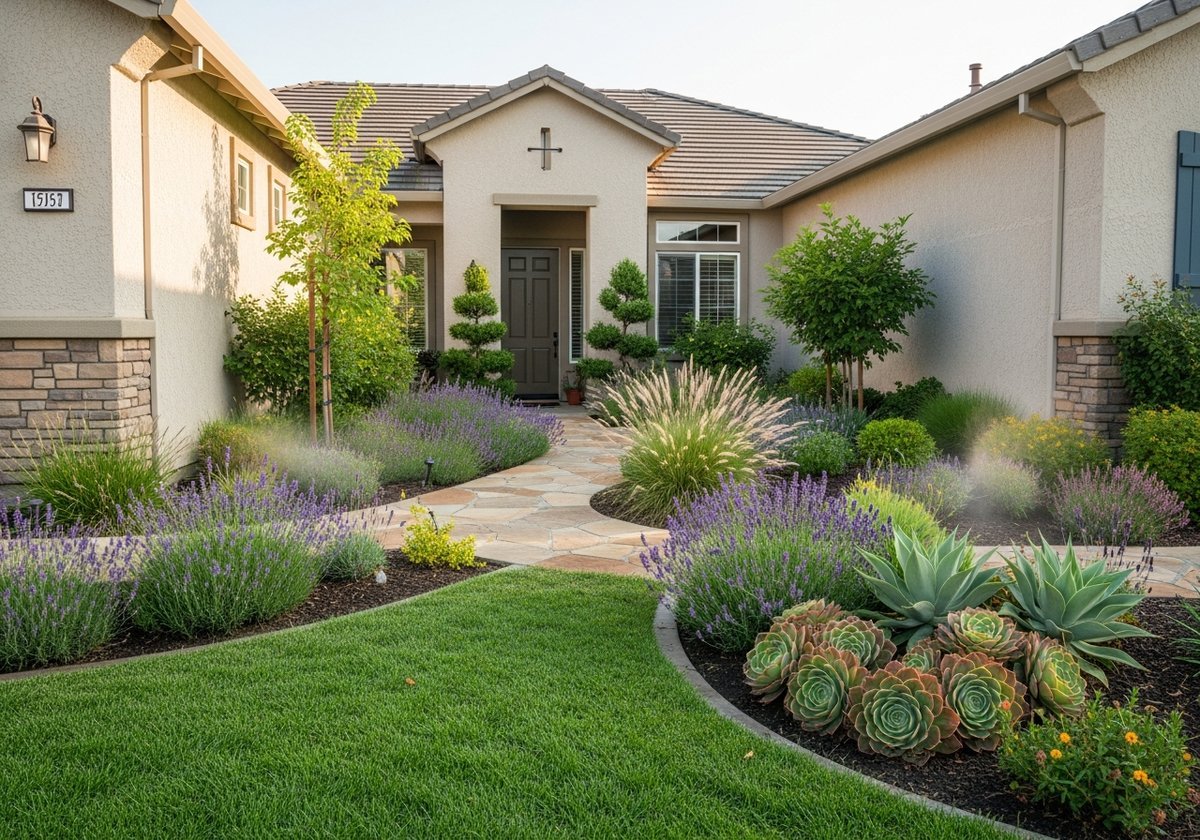
With Modesto summers regularly hitting 100°F and water rates rising, designing a drought-tolerant yard is a smart choice for Stanislaus County homeowners. Whether you live in Village One, Graceada Park, or Dry Creek, the key is balancing beauty with water efficiency. Here's how to create a sustainable yard that thrives in Modesto's scorching heat, even on clay-heavy soil.
Why drought-tolerant landscaping makes sense in Modesto
Modesto residents know the challenges of maintaining a lush lawn during the summer. Watering a lawn means higher City of Modesto water bills during peak irrigation months, and the combination of clay soil and extreme heat often leads to patchy, struggling lawns. By switching to drought-tolerant landscaping, you can drastically reduce water use while creating a yard that stays vibrant year-round.
Residential water costs can rise during drought years, making sustainable landscaping a financial and environmental win. Plus, drought-tolerant yards require less maintenance, saving both time and money.
Another benefit is the environmental impact. By conserving water and minimizing the use of fertilizers, drought-tolerant yards contribute to healthier groundwater and reduced runoff pollution. For Modesto residents living near Dry Creek, controlling runoff is critical to maintaining the ecosystem's health.

Top drought-tolerant plants for Modesto yards
Choosing the right plants is crucial for a successful low-water landscape. Here are some top picks that thrive in Modesto’s climate:
- California poppies: These iconic orange blooms thrive in full sun and poor soil conditions, making them perfect for Village One and La Loma yards.
- Lavender: A fragrant shrub that tolerates heat and requires minimal water, ideal for front yards in Graceada Park.
- Manzanita: Native to California, this hardy shrub is great for creating privacy screens in Dry Creek properties.
- Succulents: From agave to jade plants, succulents add texture and thrive in Modesto’s dry summers.
- Red yucca: A striking plant with tall flower spikes, perfect for adding height to designs in Sherwood neighborhoods.
For more plant recommendations tailored to Modesto’s soil and climate, check out the UC Master Gardeners program. Grasses like deer grass and blue fescue also help blend functionality with beauty.
For example, a mix of lavender and succulents with a gravel pathway and decorative boulders makes a low-maintenance yard that might use only about 25% of the water a lawn needs.
Design principles for drought-tolerant yards
Creating a water-efficient yard doesn’t mean sacrificing aesthetics. Follow these design principles to blend functionality with beauty:
1. Group plants by water needs
Use the concept of hydrozoning to group plants with similar water requirements together. For instance, place succulents and lavender in sunny areas while reserving shadier spots for slightly thirstier plants. This practice not only simplifies irrigation but also ensures better plant health.
For example, lavender and agave can share a sunny corner while native ferns go in a shaded area near the patio.
2. Incorporate hardscaping
Elements like gravel paths, stone patios, and decorative boulders reduce water use while adding visual interest. In downtown Modesto, homeowners often pair drought-tolerant plants with concrete walkways for a modern look. Adding features like permeable pavers can also help manage runoff during the rainy season.
For example, a decomposed granite pathway with a seating area surrounded by succulents and flowering red yucca might cost around $7,500 and lower both the water bill and maintenance time.
3. Mulch for moisture retention
Spread organic mulch around plant bases to retain soil moisture and suppress weeds. Mulching is particularly effective in clay-heavy soils, such as those found in Village One and newer builds. Organic mulches like bark or straw are ideal for Modesto’s climate.
For example, a 3-inch layer of bark mulch around native plants in a 1,000 sq ft yard might cost approximately $500 and save hours of weeding and watering.
How much does a drought-tolerant yard cost in Modesto?
| Yard size | Typical cost range |
|---|---|
| Small area (under 500 sq ft) | $2,000 – $4,500 |
| Standard front yard (1,000 sq ft) | $5,000 – $10,000 |
| Large yard (2,000+ sq ft) | $10,000 – $20,000+ |
Costs vary based on plant selection, soil preparation, and hardscape elements. For accurate pricing, schedule an on-site consultation.
For example, a 2,000 sq ft yard with native plants, drip irrigation, and a stone patio might cost around $12,000 and could save over $100 per month on the summer water bill.
Smart irrigation systems for Modesto yards
Efficient irrigation is a cornerstone of drought-tolerant landscaping. Drip irrigation systems are highly recommended for Modesto homeowners looking to minimize water waste. These systems deliver water directly to plant roots, significantly reducing evaporation.
For instance, installing a drip irrigation system for a 1,500 sq ft yard in Modesto can cost between $1,500 and $3,000, depending on the complexity of the design.
Smart controllers can further enhance water savings. These devices adjust watering schedules based on weather data, ensuring plants get the right amount of water without over-irrigating. Investing in a smart controller, priced around $200-$300, can pay for itself in water savings within two years.
Native plant maintenance tips
While drought-tolerant plants are low-maintenance, they still require some care to thrive. Regular pruning helps maintain their shape and encourages healthy growth. For example, lavender should be trimmed annually after blooming to prevent woody growth.
Modesto homeowners should also monitor their soil’s health. Adding compost once a year can improve nutrient levels, especially in clay-heavy soils common across much of north Modesto. Composting costs as little as $50 for a 1,000 sq ft yard and provides long-term benefits for plant health.
Finally, watch out for pests like aphids, which can occasionally target native plants. Using natural pest control methods, such as introducing ladybugs, helps maintain a chemical-free yard.
Benefits of hiring a pro for Modesto drought-tolerant landscaping
While DIY landscaping is possible, hiring a professional ensures proper soil preparation, plant selection, and irrigation system installation. Pros understand Modesto’s unique challenges, like working with clay-heavy soil and maximizing water efficiency under City of Modesto watering rules.
Efficient watering strategies for Modesto's climate
Watering smart is crucial for drought-tolerant landscaping. Here are some tips tailored for City of Modesto water customers:
- Use drip irrigation: Drip systems deliver water directly to the root zone, minimizing evaporation in Modesto's heat. Installing a drip system can cost between $500 and $1,500, depending on yard size.
- Water early or late: Schedule watering before 8 a.m. or after 7 p.m. to reduce evaporation. City of Modesto rules allow watering no more than three days a week from April through October.
- Follow city rules: Check the City of Modesto watering rules for updated schedules and restrictions. For example, odd-numbered addresses can water on Wednesdays, Fridays, and Sundays from April through October.
Additionally, using rain barrels to collect and reuse rainwater can further reduce your dependency on city water, with barrels costing approximately $100–$150.
Soil preparation for drought-tolerant landscaping
Soil quality can make or break your landscaping efforts. Modesto's newer developments like Village One often have compacted, clay-heavy soil, which struggles with drainage. Older neighborhoods like La Loma and College Area typically have better loam soil that's easier to work with.
Here's how to prepare your soil:
- Amend clay soil: Add organic matter like compost to improve drainage and aeration. A cubic yard of compost from a local landscape supplier costs around $30.
- Mulch generously: A 2–3 inch layer of mulch helps retain soil moisture and reduces evaporation. Mulch can be purchased locally for $20–$40 per cubic yard.
- Test your soil: Use a soil test kit to determine pH and nutrient levels, then amend as needed. Kits cost about $15–$20 and are available at Home Depot or Lowe's in Modesto.
Investing in soil preparation upfront also helps reduce future maintenance costs.
Hardscaping ideas for a water-smart yard
Hardscaping can significantly reduce your water usage while adding visual appeal. Consider these options:
- Decomposed granite pathways: A durable, low-maintenance choice that complements drought-tolerant plants. Costs typically range from $1 to $3 per square foot for materials.
- Gravel mulch: Ideal for xeriscaping, gravel prevents weed growth and improves drainage. A 50-pound bag of gravel costs around $5–$10 at local stores.
- Pavers: Use permeable pavers to allow rainwater to seep into the ground, reducing runoff. Installation costs range from $10 to $20 per square foot.
Raised garden beds with gravel pathways also make for a functional and water-efficient yard design.
Frequently asked questions
What is the best mulch for Modesto yards?
Organic mulch like bark or wood chips works best for moisture retention in Modesto yards. Avoid rock mulch in full sun as it can increase soil temperature.
Do drought-tolerant yards need irrigation?
Yes, but far less than traditional lawns. Drip irrigation systems are ideal for delivering water directly to plant roots efficiently.
Can I keep part of my lawn?
Absolutely. Many Modesto homeowners combine small grass areas with drought-tolerant landscaping for a balanced look.
What are the water-saving benefits?
Drought-tolerant yards can reduce water use by up to 50-70%, significantly lowering your water bill during peak summer months.
How do I start a drought-tolerant yard?
Begin by removing water-intensive plants and lawns, testing your soil, and consulting a landscaping professional for design ideas.
Final word
With Modesto’s heat and rising water costs, drought-tolerant landscaping is a practical, beautiful solution. From native plants to smart irrigation systems, you can create a yard that thrives in the local climate while saving water and money. Call Palmstone Landscaping for a free consultation and start your yard transformation today!