
Landscaping Around a Septic System in Del Rio
Del Rio is unincorporated, and properties outside a municipal sewer connection typically run on septic. That puts a constraint on the yard that most landscaping advice never mentions: there is an area you should not treat like the rest of the garden.
Know where the system is before you plan anything
You cannot landscape around something you cannot locate. Before any planting, grading or irrigation work, find the tank, the distribution box and the extent of the leach field.
County records, the original site plan or a septic contractor can establish this. It is worth doing properly — a leach field damaged by roots or by machinery is an expensive repair, and a far more disruptive one than replanting a bed.
Grass is the right cover for a leach field
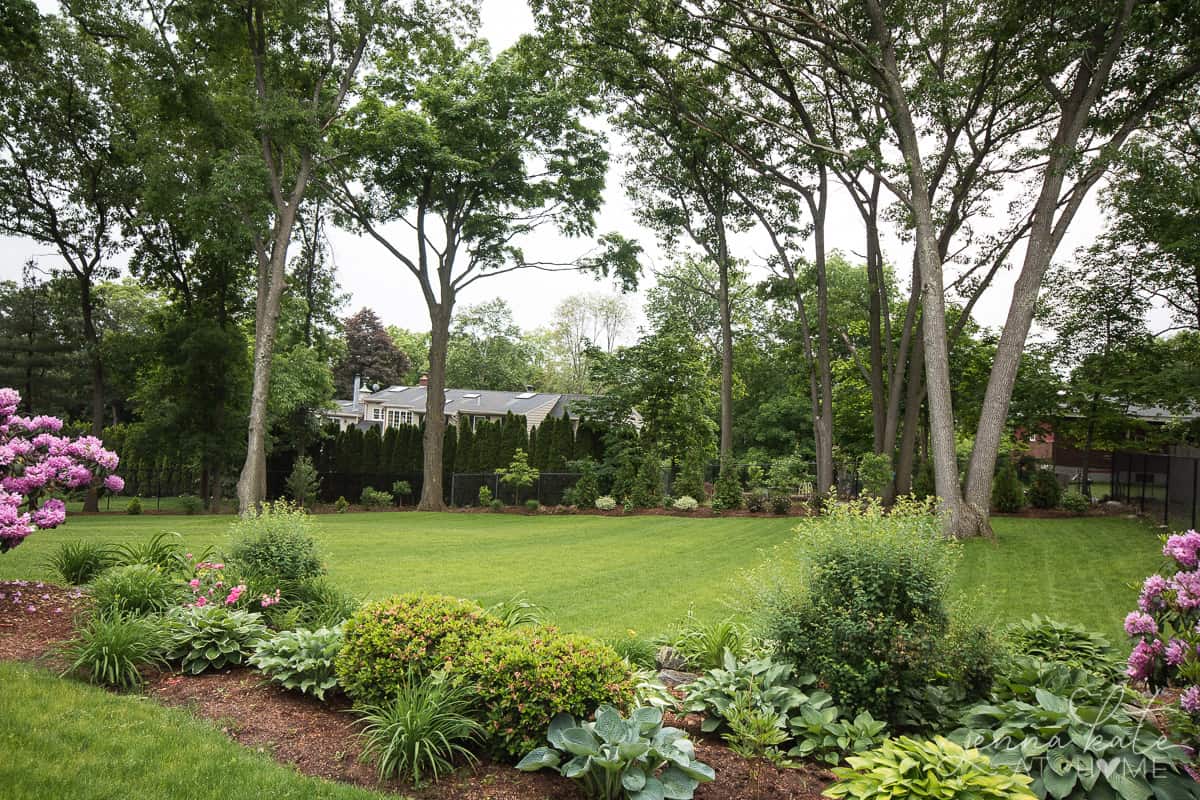
Turf is genuinely the best planting over a leach field. It has shallow, fibrous roots that will not invade the lines, it draws moisture out of the soil, which helps the field function, and it leaves the area accessible if the system ever needs work.
Keep it as lawn or as shallow-rooted ground cover. Resist the urge to make it a feature bed.
Keep trees and large shrubs well clear
Roots seek water, and a leach field is a reliable source of it. Willows, poplars and other fast-growing, water-seeking species are the worst offenders, but any substantial tree is a risk if planted close.
The general guidance is to keep trees at least as far from the field as their expected mature height, and further for known aggressive rooters. On a large Del Rio lot there is usually room to do this without compromising the design.
Do not add water, weight or cover
Three things to avoid over a leach field. Do not run irrigation over it beyond what the grass needs — a saturated field cannot do its job. Do not drive or park on it, and keep heavy equipment off during any landscaping work, because compaction damages the lines and the soil around them.
And do not cover it with impermeable surfaces. Paving, plastic sheeting under gravel, or artificial turf with a sealed backing all restrict the evaporation the system relies on. If you are converting turf elsewhere on the property, leave the leach field as grass.
Plan irrigation zones around it
This is where it intersects with the rest of the yard. The leach field area should be on its own zone, or at least on a zone you can dial back independently, rather than sharing a zone with beds that want more water.
On a well-fed system that is easy to arrange at design stage and awkward to retrofit later, so raise it before the trenching starts rather than after.
Frequently asked questions
What can I plant over a septic leach field?
Grass or shallow-rooted ground cover. Turf is ideal because its fibrous roots will not invade the lines, it draws moisture from the soil, and it keeps the area accessible.
How far should trees be from a septic leach field?
A common guideline is at least as far as the tree's expected mature height, and further for aggressive water-seeking species such as willow or poplar.
Can I put artificial turf over a leach field?
It is not advisable. Impermeable backing restricts the evaporation a leach field depends on. Leave that area as grass and convert elsewhere on the property.
Should the leach field have its own irrigation zone?
Yes, or at least a zone you can reduce independently. A saturated leach field cannot function properly, so it should not share a zone with thirstier planting.