Hard Water and Sprinkler Maintenance in Del Rio
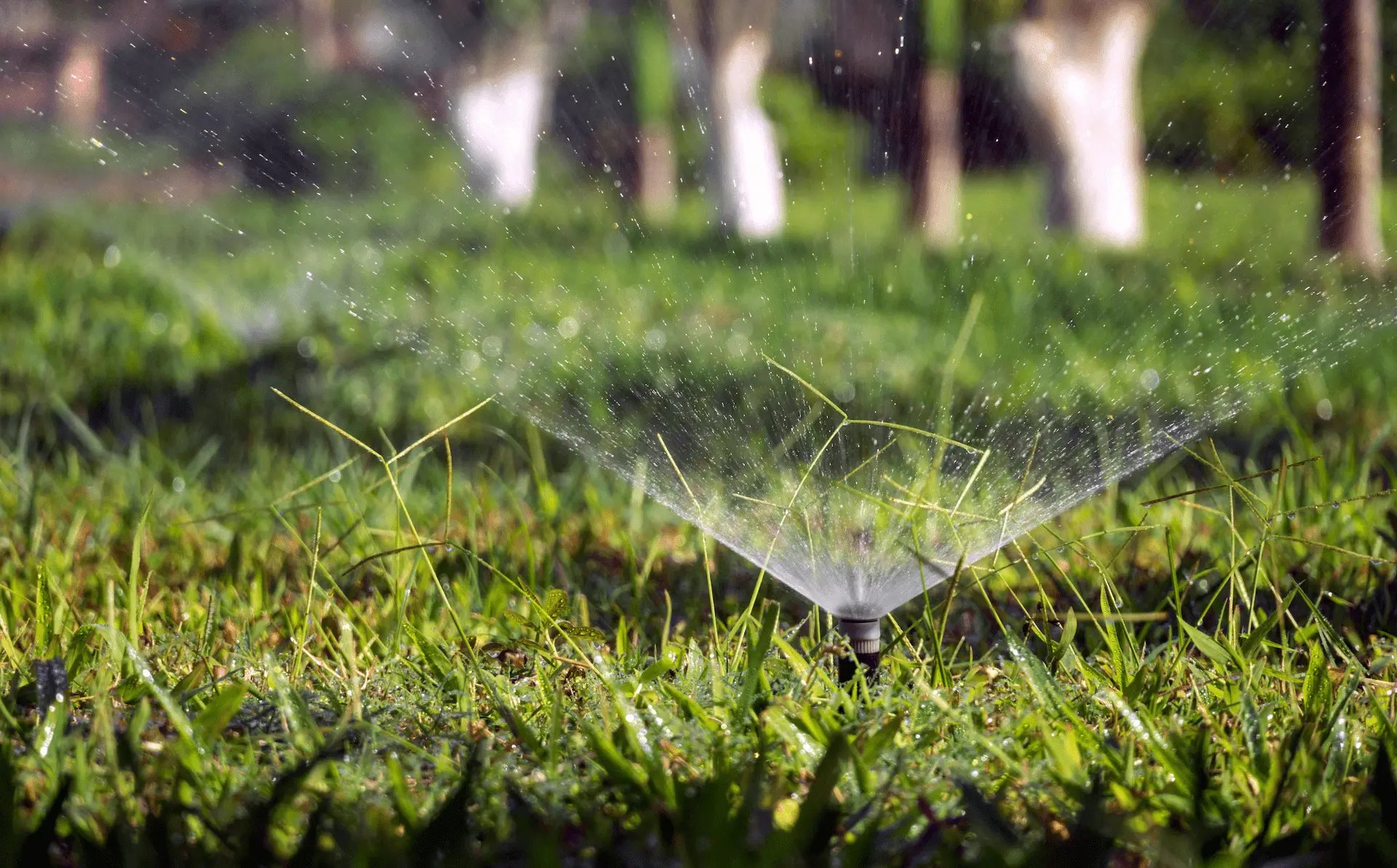
Well-fed irrigation systems in Del Rio deal with something municipal systems largely do not: minerals that gradually build up inside nozzles, emitters and valves until performance quietly falls away.
Why it happens on well systems
Groundwater carries dissolved minerals picked up from the material it passes through. As water evaporates from a nozzle face between cycles, those minerals stay behind. Repeat that a few hundred times across a summer and the orifice is measurably smaller than it was.
Drip emitters suffer most because their openings are smallest. Spray nozzles, valve diaphragms and filters all accumulate the same deposits at their own pace.
The symptoms, in the order you notice them
First, one part of a zone starts looking drier than the rest. Easy to blame on the plants or on the heat.
Then spray patterns go irregular: a head throwing short, or a fan pattern with a gap in it. Then emitters that no longer drip at all, which usually shows up as a dead shrub before it shows up as a plumbing problem.
Valves are the slower failure. Mineral buildup on a diaphragm can leave a valve weeping after shutoff, which wastes water continuously and, on a well, runs the pump when it should be resting.
A maintenance routine that works
Twice a year, spring and autumn, pull and clean the filters. On drip systems this is the highest-value ten minutes you will spend.
Flush drip lines by opening the end caps and letting water run until it comes out clear. Sediment and mineral fines accumulate at the line ends, and flushing clears them before they reach the emitters.
Remove and soak affected spray nozzles, and clear the small filter screen underneath each one. Replace nozzles that are visibly eroded rather than fighting them.
Run each zone manually once a season and watch it, rather than trusting a 5 a.m. cycle nobody sees.
Design choices that reduce the problem
Pressure-compensating emitters cope better with partial blockage than simple ones. A good inline filter sized for the system does more than any amount of downstream cleaning.
Where a property is on a well, adding filtration at the supply rather than at each zone is usually the better investment, since everything downstream benefits.
Do not ignore a weeping valve
A valve that does not close fully wastes water around the clock, and on a well that means the pump cycling when it should be idle. That is wear on equipment as well as a power cost.
If a zone stays damp long after the cycle ended, or the pump kicks in with nothing scheduled, check the valves. It is a common and inexpensive repair, and an expensive one to leave.
Most Del Rio homes are on private wells rather than city water. For anything to do with water quality or testing, Stanislaus County Environmental Resources is the right place to start — this article is about irrigation, not drinking water.
Frequently asked questions
Why do my drip emitters stop working in Del Rio?
Mineral deposits from well water gradually narrow the emitter opening until flow stops. Flushing lines and cleaning filters twice a year prevents most of it.
How often should I clean irrigation filters on a well system?
Twice a year, in spring and autumn, is a reasonable baseline. Systems with heavier sediment may need it more often.
What does a weeping sprinkler valve cost me?
It wastes water continuously and, on a well, runs the pump when it should be resting, adding both electricity cost and equipment wear.
Can I prevent mineral buildup in sprinklers?
Not entirely, but a properly sized inline filter at the supply, pressure-compensating emitters and regular line flushing all reduce it substantially.