
Ceres Sprinkler Check: Getting More From Two Watering Days
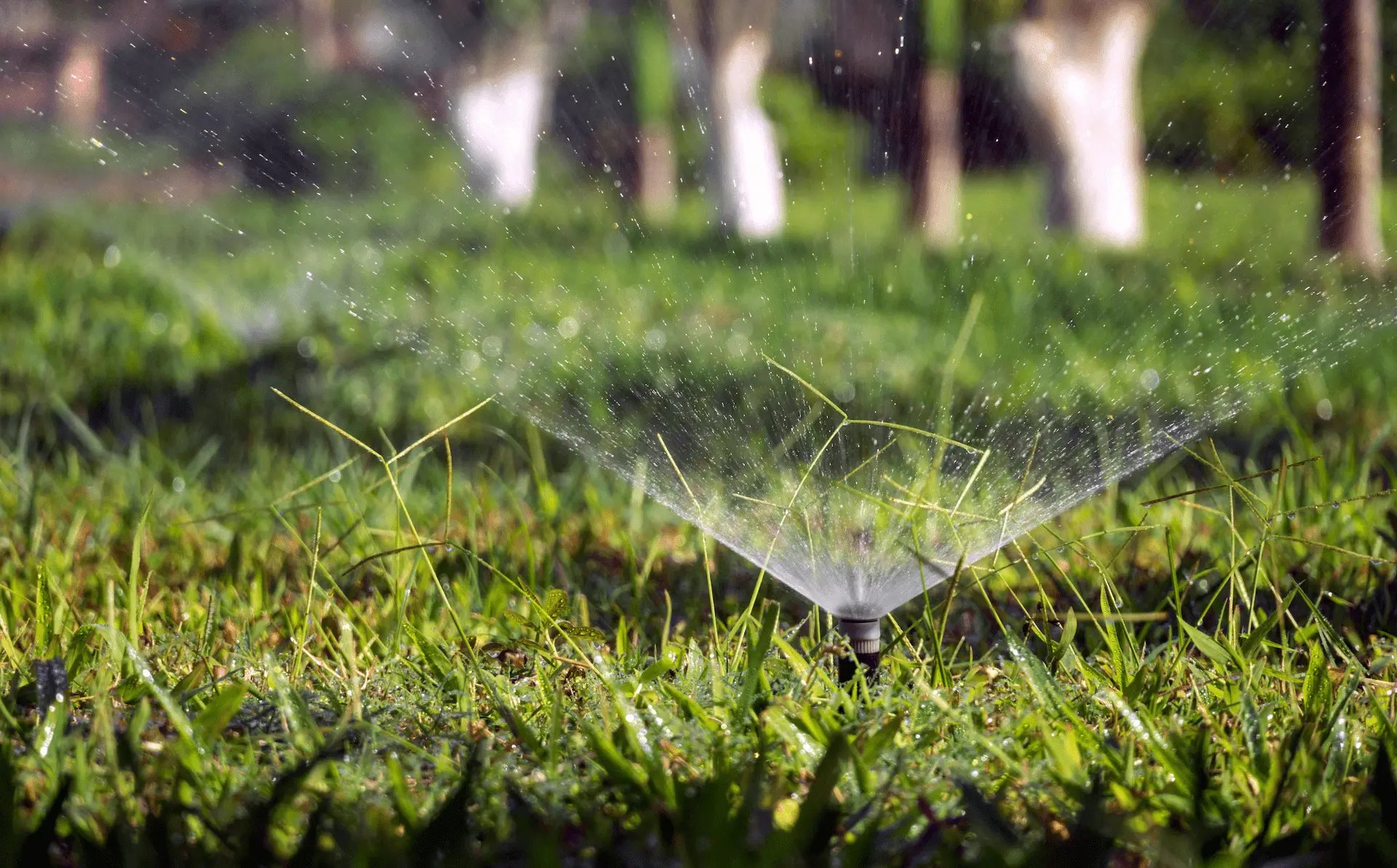
With two watering days, every inefficiency in your system costs you real coverage. A misaimed head or a runoff problem is not a minor annoyance any more, it is a third of your weekly water landing on the pavement.
Run the system when you can actually watch it
Most people never see their sprinklers run, because they are programmed for 5 a.m. Run a manual cycle on a permitted day, outside the noon-to-7 p.m. ban, and stand there for it.
You are looking for four things: heads spraying pavement, heads blocked by grown-in shrubs, mist instead of droplets, and water running off before the cycle ends. All four are common and all four are fixable.
The catch-can test
Put half a dozen straight-sided containers, tuna cans work, around a zone and run it for fifteen minutes. Measure what collects in each.
Two things come out of this. First, how much water you actually apply per minute, which lets you translate 'about an inch a week' into real run times. Second, how even the coverage is. Wildly different amounts between cans means you are overwatering part of the zone to keep the driest part alive, which on a restricted schedule you cannot afford.
Runoff can still cost you
Most Ceres soil is sandy loam or loamy sand that drains fast, but a slope or a compacted patch can still send one long run down the driveway. Use cycle-and-soak: split each zone into two or three shorter runs spaced 10–15 minutes apart so water has time to sink in between passes. Same total minutes, far less waste.
If you see water reaching the gutter before the zone finishes, you have found where a meaningful share of your two days is going. Splitting the run is free and usually solves it.
Misting means a pressure problem
A fine mist drifting off the lawn is water leaving before it lands. It usually means system pressure is too high for the heads fitted.
Pressure-regulating heads or a regulator at the valve fix it. On a two-day schedule this is worth doing rather than tolerating, because misted water is simply gone.
Programme for the rules, not the season
Set the controller to your legal days and keep it there: Tuesday and Saturday for even addresses, Wednesday and Sunday for odd. Set the start time so the whole cycle finishes before the noon cut-off, and before 8 a.m. if you can.
A smart controller handles this automatically and skips cycles after rain. The Ceres program papers list a $50 rebate on smart irrigation controllers, so it is worth calling Public Works at (209) 538-5732 to ask whether it is still funded before buying one at retail.
And check the programme after any power cut. A controller that silently reverted to a factory schedule is the usual explanation behind an unexpected violation notice.
Frequently asked questions
How do I stop sprinkler runoff in Ceres?
Use cycle-and-soak: split each zone into two or three shorter runs spaced 10 to 15 minutes apart so water can absorb between passes instead of running to the gutter.
Why do my sprinklers mist instead of spraying droplets?
System pressure is too high for the heads fitted. Pressure-regulating heads or a regulator at the valve will fix it, and stop water drifting off the lawn.
How long should I run sprinklers in Ceres?
It depends on your output. Use a catch-can test to measure how much water a zone applies in fifteen minutes, then set run times to reach about 1 to 1.5 inches across your two permitted days.
Does Ceres offer a rebate on smart irrigation controllers?
The City of Ceres program papers list a $50 smart irrigation controller rebate. Ask Ceres Public Works at (209) 538-5732 whether it is still funded.