
Ceres Fall Yard Cleanup Checklist
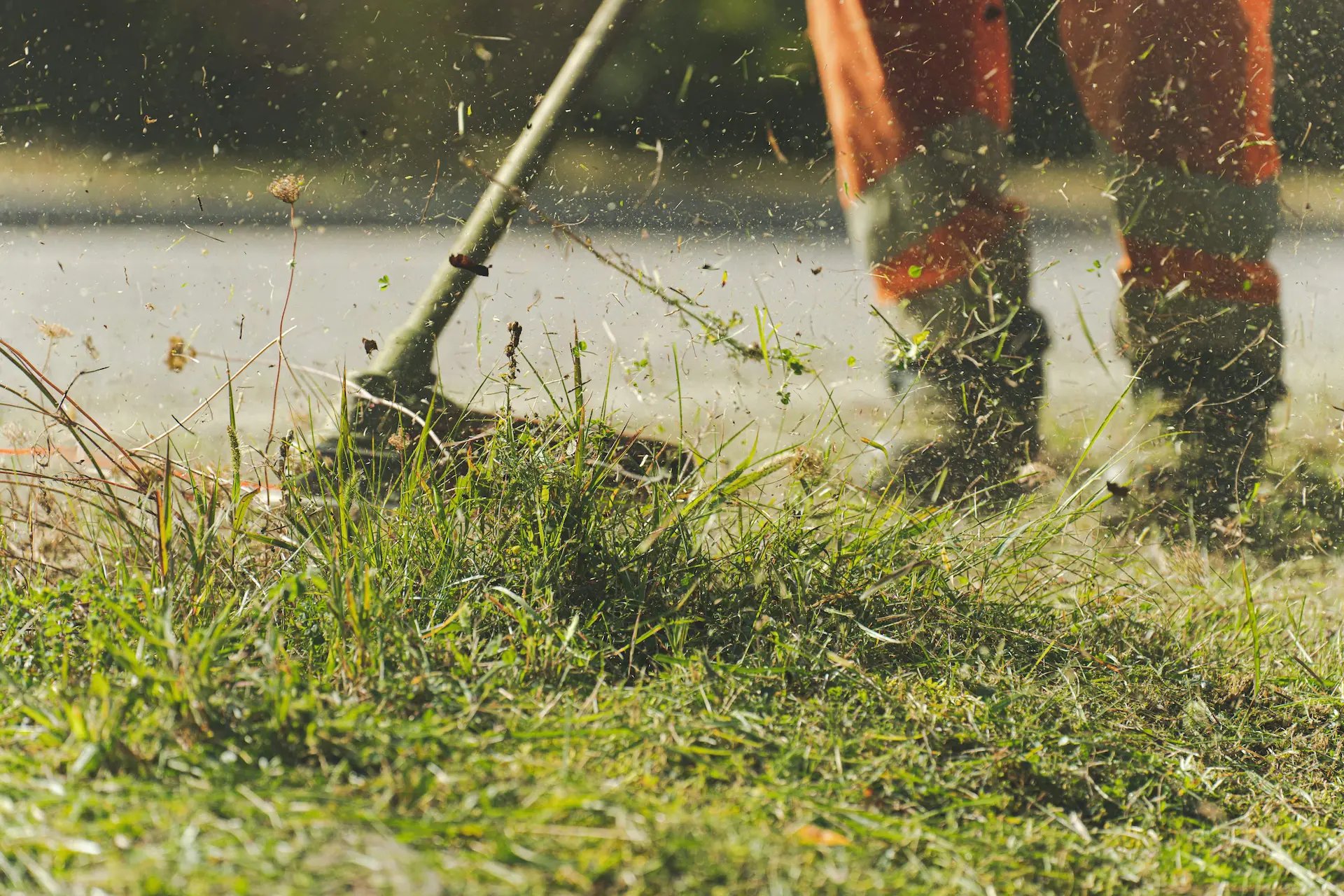
Autumn is the most productive season in a Ceres yard and the one most often skipped. The heat is off, the soil is still warm, and the work you do between September and November decides what spring looks like.
Turn the water down before you do anything else
Your watering days do not change in autumn, but your watering need drops sharply. Cooler air and shorter days mean a lawn that wanted 1.5 inches a week in July might want half that by late October.
Leaving summer run times programmed into November wastes water, encourages shallow roots and invites fungal problems in cooler damp weather. Shorten run times rather than dropping a day, since you only have two.
Clear leaves properly, not just visibly
Leaves left on a lawn mat down when they get wet, block light and create the damp still conditions that fungal disease likes. A thin scatter can be mulch-mowed into the lawn and will break down usefully.
Anything thicker than that needs removing. Pay attention to the corners and fence lines where leaves collect and quietly kill patches of grass that then need reseeding in spring.
Autumn is the right time to aerate
The soil under a busy Ceres lawn compacts through a summer of foot traffic and heat, and compacted soil is exactly what you do not want when watering is limited to two days.
Core aeration in autumn opens the soil while there is still enough warmth for the lawn to recover. It improves how far water penetrates on each of your permitted days, which is the single most useful thing you can do for next summer.
Top-dressing with compost afterwards compounds the benefit, raising how much moisture the root zone holds.
Feed now, not in July
Autumn is when a Ceres lawn can genuinely use fertiliser. Growth is going into roots rather than blades, and roots are what carry it through the following summer on a restricted schedule.
Time the application so it gets watered in on one of your permitted days, rather than sitting on the surface for three days waiting.
Cut back, and take stock
Prune summer-flowering shrubs, cut back spent perennials, and clear beds of the debris that shelters pests over winter.
This is also the moment to be honest about what did not work. The strip that browned out every August, the bed the sprinklers never reached properly, the corner that is more weed than grass. Autumn is the right time to change those, whether that means regrading, new sod in the September window, or converting the area entirely.
Frequently asked questions
Should I change my watering in autumn in Ceres?
Yes. Keep your assigned two days but shorten run times. A lawn needing 1.5 inches a week in July may need around half that by late October.
When should I aerate a lawn in Ceres?
Autumn. Core aeration while the soil is still warm lets the lawn recover, and it improves how deeply water penetrates on each of your two permitted watering days.
Can I leave leaves on my Ceres lawn?
A thin scatter can be mulch-mowed in. Anything thicker mats down when wet, blocks light and encourages fungal disease, so it should be removed.
Is autumn a good time to fertilise in Ceres?
Yes, better than midsummer. Autumn growth goes into roots rather than blades, and deeper roots are what carry a lawn through the next summer on limited watering.