
Salida Summer Lawn Watering Schedule (CA Guide)
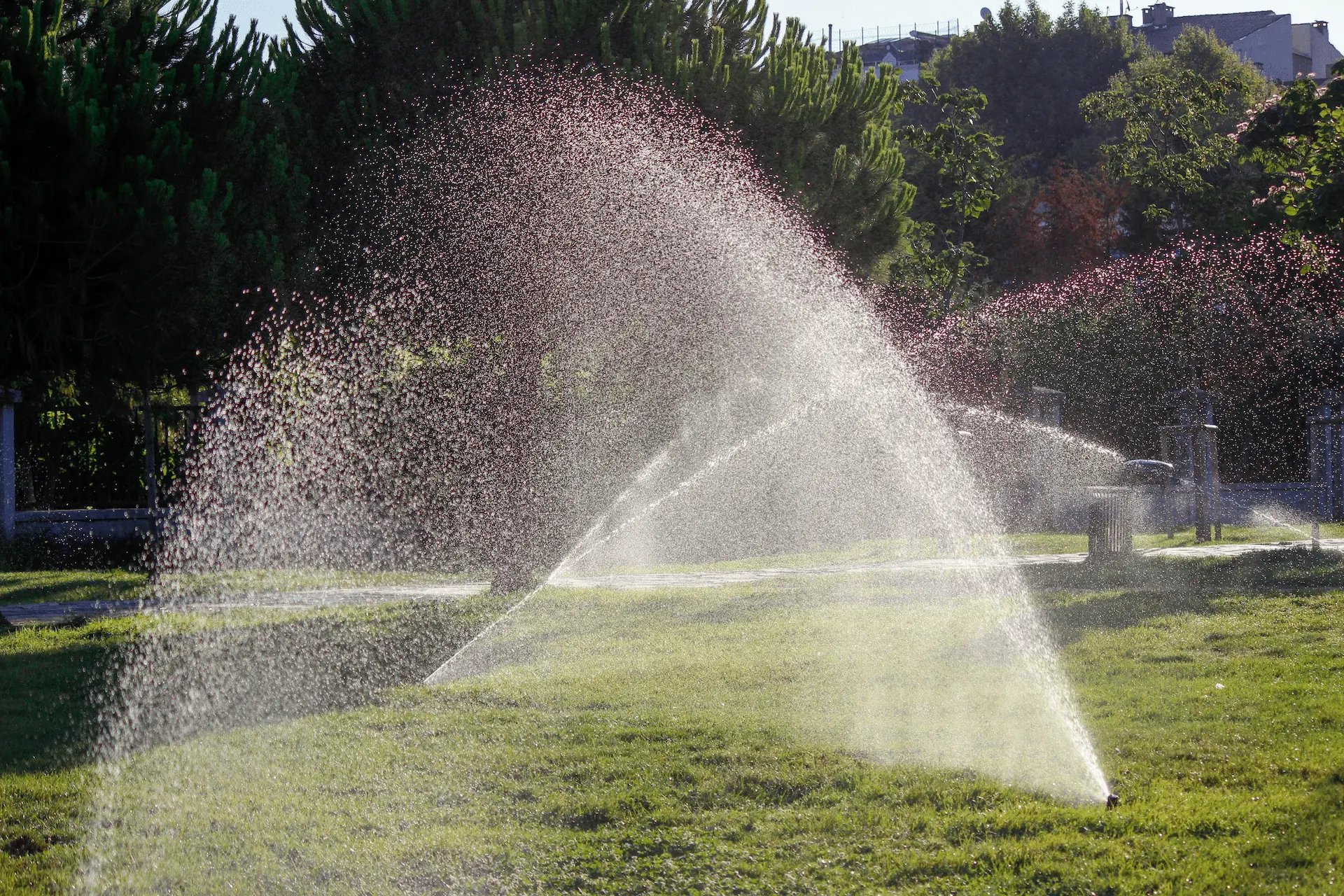
Watering a Salida lawn in summer isn't about watering more — it's about watering deep, early, and on the right rhythm for our heat. The short version: in a Salida summer, water roughly 2 to 3 mornings a week, before 8 a.m., delivering about 1 to 1.5 inches total, split across those days. Deep and infrequent beats a little every day, because it drives roots down where they can survive 100°F afternoons. This guide gives you the full schedule, how to dial it in for your grass, and why Salida's compacted builder soil changes how you do it.
Salida sits in USDA zone 9b, with long, dry, triple-digit summers and water supplied by the City of Modesto. Because you're paying for every gallon and the heat is relentless, an efficient schedule saves both your lawn and your bill. The catch unique to Salida: most lawns sit on a compacted sandy loam pad that sheds water, so how you apply the water matters as much as how much.
How much water a Salida lawn needs in summer
The target for an established lawn in peak Salida heat is about 1 to 1.5 inches of water per week, including any rain (which is near zero here in summer). The key is to deliver that in a few deep soakings rather than daily sprinkles:
- Deep watering soaks 6 or more inches down, pulling roots deeper where soil stays moister and cooler — a drought-resilient lawn.
- Shallow daily watering keeps roots near the hot surface, so the lawn dries out and browns the moment you miss a day.
To measure what your sprinklers put down, set a few empty tuna cans on the lawn while a zone runs. If they collect 0.5 inches in 30 minutes, hitting 1.5 inches a week takes about three times that run time, best split into short cycles on your watering days to suit Salida’s compacted soils. The check costs nothing.
The Salida summer watering schedule
Here's a practical starting schedule for an established Salida lawn through the hottest months. Adjust for your grass and a given week's weather, but water only on your assigned days: Salida follows the City of Modesto's main schedule (April–October, odd addresses Wednesday, Friday and Sunday, even addresses Tuesday, Thursday and Saturday; never on Monday or between noon and 7 p.m.), so confirm yours with Modesto utility billing (209-577-5395).
| Period | Frequency | Time of day | Goal |
|---|---|---|---|
| Peak summer (Jun–Aug, 100°F+) | 3 mornings / week | Before 8 a.m. | ~1.5 in. total, deep soak |
| Late spring / early fall | 2 mornings / week | Before 8 a.m. | ~1 in. total |
| Heat wave (105°F+ stretch) | Add a short extra cycle | Dawn | Prevent stress, don't drown |
| New sod (first 2 weeks) | 2–3 short cycles / day (ask Modesto about its new-planting exemption) | Morning, before noon | Keep surface constantly moist |
Why before 8 a.m. matters in Salida
Early morning is the single most important rule here. Water before 8 a.m. and:
- Less evaporation — midday watering in July can lose a large share of the water to our dry heat before it ever soaks in.
- No fungus — evening watering leaves blades wet overnight, inviting lawn disease in warm weather.
- Better absorption — cooler, calmer mornings let water sink in instead of blowing off or evaporating.
Using lawn aeration to improve watering
Salida's compacted soil often makes deep watering tricky, as water struggles to penetrate the dense surface. Aeration is a simple, effective solution that can transform your lawn's ability to absorb water. By punching small holes into the soil, aeration allows water to reach deeper into the root zone, maximizing every gallon you use.
Local services in Salida charge around $75–150 for aeration on average-sized lawns, making it a cost-effective way to stretch your irrigation budget. Renting an aerator yourself costs about $50–80 per day, making it a viable DIY project for budget-conscious homeowners.
Smart irrigation technology for Salida homes
Investing in smart sprinkler controllers is another way Salida homeowners can fine-tune their watering schedules. These systems automatically adjust watering based on weather forecasts, soil moisture levels, and seasonal changes. For instance, during a heat wave, a smart controller can add an extra cycle, while skipping unnecessary watering during cooler weeks.
The upfront investment for a smart controller that can run cycle-and-soak watering is typically $150–300.
Popular brands like Rachio and Rain Bird offer smart controllers compatible with most irrigation setups, and many local landscapers can assist with installation. Palmstone Landscaping provides installation services for smart controllers, ensuring compatibility with Salida’s unique soil conditions and climate challenges.
The cycle-and-soak trick for Salida's compacted soil
This is the Salida-specific technique that makes the biggest difference. Because your lawn sits on a compacted, slow-draining builder pad, a long single run-time causes water to run off onto the sidewalk before it can soak in — you waste water and the lawn stays dry underneath.
The fix is cycle and soak: instead of one 15-minute run, split it into three 5-minute cycles with a soak break between each. The first cycle wets the surface, the breaks let it absorb, and the later cycles drive water deep without runoff. Most smart controllers do this automatically. On Salida's compacted lots it's often the difference between a green lawn and brown edges.
Adjusting for your grass type
- Tall fescue (the common year-round green choice) needs consistent deep watering through the heat — stick to the schedule above and don't let it dry out fully.
- Bermuda is more drought-tolerant once established and can often get by with slightly less, since it actually thrives in Salida's summer heat.
- New lawns (sod or seed) are the exception to "infrequent" — they need frequent shallow watering until rooted, then you transition to the deep, infrequent schedule.
Signs you're watering wrong
- Runoff onto the sidewalk means your run-time is too long for the compacted soil — switch to cycle and soak.
- Footprints that stay flattened after you walk across — the lawn is under-watered and needs a deeper soak.
- Spongy, always-wet feel or mushrooms — you're overwatering; back off frequency.
- Brown only in certain spots — that's uneven sprinkler coverage, not the schedule; the heads need adjusting or repair.
Frequently asked questions
How often should I water my lawn in Salida during summer?
For an established Salida lawn in peak summer heat, water about 2 to 3 mornings a week before 8 a.m., delivering roughly 1 to 1.5 inches total for the week. Watering deeply a few times beats watering a little every day, because it drives roots deeper where they can survive 100°F afternoons. New sod is the exception and needs frequent short cycles until it roots.
What time of day should I water my Salida lawn?
Before about 8 a.m. is best. Early morning watering loses far less to evaporation than midday in our dry heat, and unlike evening watering it doesn't leave the blades wet overnight, which invites lawn fungus. Cool, calm mornings let the water actually soak into the soil.
Why does my sprinkler water run off onto the sidewalk in Salida?
Because Salida lawns sit on a compacted builder pad that absorbs water slowly, a long single run-time floods the surface and runs off before soaking in. The fix is cycle and soak: split the run into several short cycles with soak breaks between them, so the water absorbs in stages and reaches the roots without waste.
How much water does a Salida lawn need per week in summer?
Roughly 1 to 1.5 inches per week for an established lawn during the hottest part of a Salida summer, since there's essentially no summer rain to count toward it. Deliver that across two or three deep morning waterings rather than daily light ones. You can measure output with a few cans set on the lawn while a zone runs.
Should I water more during a Salida heat wave?
During an extreme 105°F-plus stretch you can add a short extra dawn cycle to relieve stress, but don't drown the lawn with long daily runs. Mowing higher to shade the roots and keeping to deep morning watering protects the lawn better than simply piling on water, which can invite fungus and waste City of Modesto water.