
Irrigation for Large Del Rio Properties: A Smart Guide
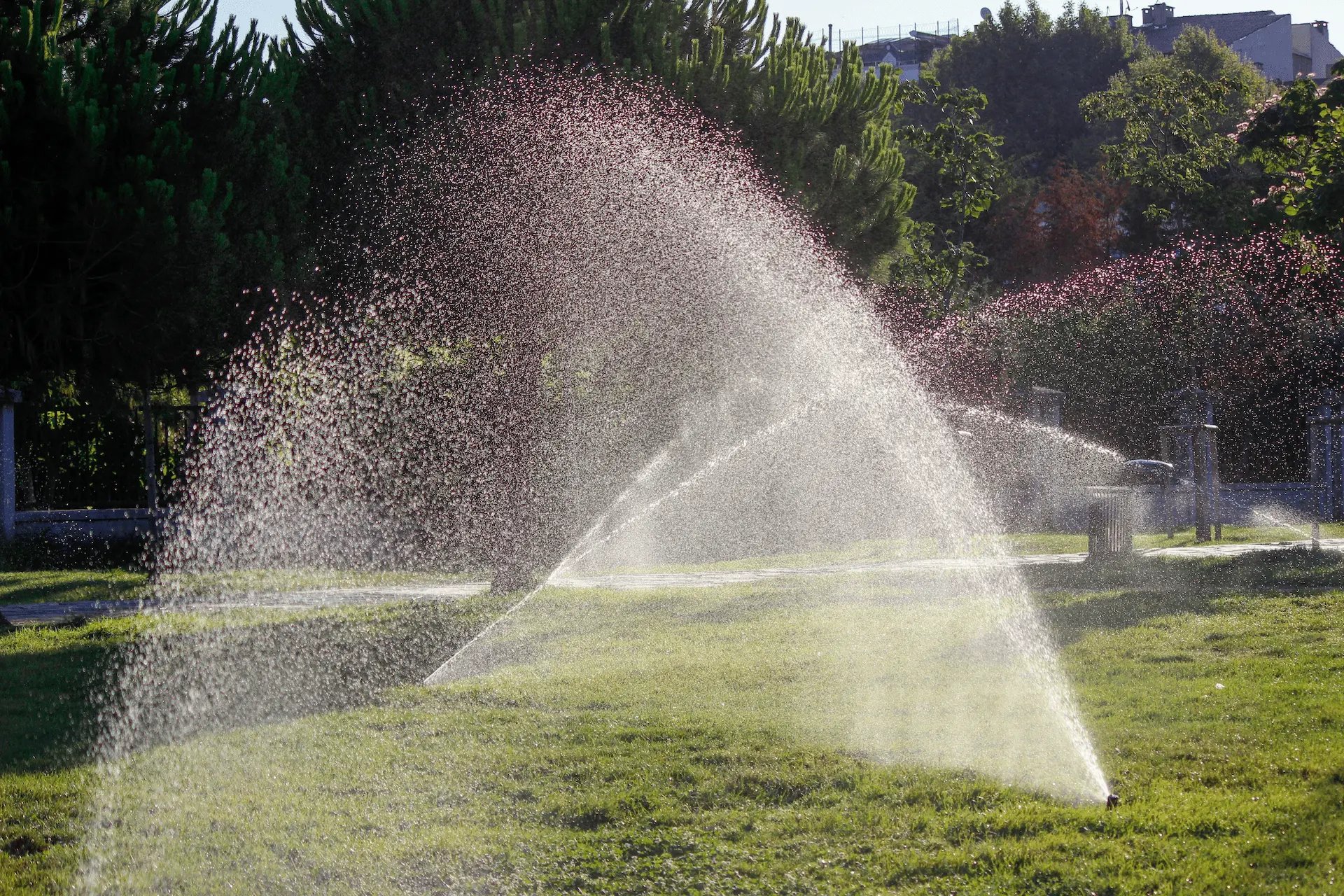
On a large Del Rio property, irrigation is not a detail — it is the difference between a green, efficient landscape and a runaway water bill. Big lots, semi-rural acreage, mature trees, and a mix of private well and City of Modesto water all make watering more complex here than on a standard city lot. A well-designed system waters each part of the property to exactly what it needs, protects your well, and keeps everything healthy through 100°F-plus summers. This guide covers how to do irrigation right at scale.
If your current setup is a patchwork of mismatched sprinklers, dry corners, and soggy spots — or you are planning a new system for a large parcel — the principles below will save you water, money, and a lot of frustration.
Why large-property irrigation is its own challenge
Watering an acre is not just a bigger version of watering a small yard. Scale introduces real engineering considerations:
- Water pressure and flow. Covering a large area means more zones and careful hydraulics so every head actually gets enough pressure — a common failure point when systems are expanded piecemeal.
- Well vs. city water. Many Del Rio properties run on a private well, City of Modesto water, or both. A well has finite flow and you are running a pump, so efficiency protects your supply and your equipment.
- Mixed plant needs. Lawn, ornamental beds, mature trees, and drought-tolerant edges all want different amounts of water — one blanket schedule wastes water somewhere.
- Distance and runtime. Bigger systems take longer to cycle; smart zoning and controllers keep that efficient instead of endless.
Zone the system to match the property
The core of efficient large-lot irrigation is zoning — grouping the property into independently controlled areas so each gets the right water. Matching irrigation zones to how you actually use and care for the land is where the savings come from.
| Area | Best method | Water need |
|---|---|---|
| Front & living-area lawn | Pop-up spray or rotor heads | High — keep lush |
| Large open turf | Rotor heads (longer throw, even coverage) | High, deep cycles |
| Ornamental & shrub beds | Drip irrigation | Medium, targeted |
| Mature trees | Deep-watering drip or bubblers | Infrequent, deep |
| Far / semi-rural edges | Drip or minimal / none | Low to none |
Splitting the property this way means you never water a drought-tolerant edge on the same schedule as a high-use lawn — the most common source of waste on big lots.
Match the hardware to the job
Using the right type of head and emitter for each zone is what makes a big system efficient:
- Rotor heads throw water farther and apply it slowly, which suits large open turf and reduces runoff — ideal for the wide lawns common on Del Rio lots.
- Pop-up spray heads cover smaller, defined lawn areas near the house evenly.
- Drip lines deliver water straight to the root zone of beds and shrubs with almost no evaporation loss — the most efficient option for plantings.
- Bubblers or deep-root emitters water mature trees slowly and deeply, encouraging strong roots.
Mixing head types on the same zone is a classic mistake — they apply water at different rates, so something always ends up over- or under-watered.
Use a smart controller
On a large property, a smart (WiFi or weather-based) controller pays for itself. It adjusts run times to actual weather, so the system backs off after rain or cool spells and ramps up in heat waves — instead of dumping the same gallons every day. For Del Rio owners on a well, that automatic efficiency directly protects your water supply and trims pump runtime. Add a rain sensor and you stop watering during the rare wet stretch entirely.
Water deep, early, and efficiently
Even the best hardware needs the right strategy behind it:
- Water before 8 a.m. Midday watering on a hot Del Rio day loses much of it to evaporation; night watering invites fungus.
- Go deep and infrequent. Longer, less frequent cycles drive roots down and build drought resilience — far better than daily light sprinkles on a big lawn.
- Cycle and soak. On heavier or sloped ground, split run times into shorter bursts so water soaks in instead of running off.
- Check coverage seasonally. Large systems drift out of alignment; a quick audit catches dry spots and misaimed heads before they brown the lawn.
Maintain it so it keeps saving you money
A big system has more parts, so more can go wrong — and on acreage a broken head or hidden leak can waste a lot of water before you notice. Keep an eye out for these:
- Broken or tilted heads spraying pavement, fences, or the air.
- Pressure problems — misting heads (too high) or weak coverage (too low or a leak).
- Clogged drip emitters, especially on well water with mineral content.
- Wet spots or unusually green patches that signal an underground leak.
- A jump in water use or pump runtime with no change in weather.
Catching these early with prompt repair keeps a large system efficient. The bigger the property, the more a small leak quietly costs.
Frequently asked questions
How much does a sprinkler system cost for a large Del Rio property?
Large-property systems are priced mainly by the number of zones and the total area, so they run more than a standard city-lot system. As a rough planning idea, residential systems often start in the low thousands and climb with size and complexity, but a big multi-zone parcel is its own number. The accurate way to price it is a free on-site design consult that accounts for your water source, soil, and landscape.
Can I run irrigation off my well?
Yes, many Del Rio properties irrigate from a private well, City of Modesto water, or a combination. The key is designing the system to your well's flow and pressure so you do not overdraw it or strain the pump. Efficient zoning, drip on beds, and a smart controller all reduce runtime, which protects both your water supply and your equipment.
How many zones does a big lot need?
It depends on the area and how varied the landscape is, but large lots typically need several zones — separating high-use lawn, large open turf, ornamental beds, trees, and low-water edges so each gets the right amount. More zones mean more control and less waste; a design consult determines the right count for your specific property.
Is a smart controller worth it on a large property?
For most big Del Rio lots, yes. A weather-based controller automatically adjusts run times to conditions, so you are not watering the same amount before a cool spell as in a heat wave. On a large system that adds up to meaningful water and money saved, and for well users it reduces pump runtime — usually paying for itself over time.
How do I know if my large system has a leak?
Watch for soggy or unusually green patches, a noticeable jump in water use or pump runtime with no weather change, or zones that suddenly water weakly. On acreage these signs are easy to miss until the bill or a wet spot gives it away, so a periodic coverage check and prompt repair are worth it — a hidden leak on a big property wastes a surprising amount of water.