
Best Time to Plant Sod in Salida, CA (2026 Guide)
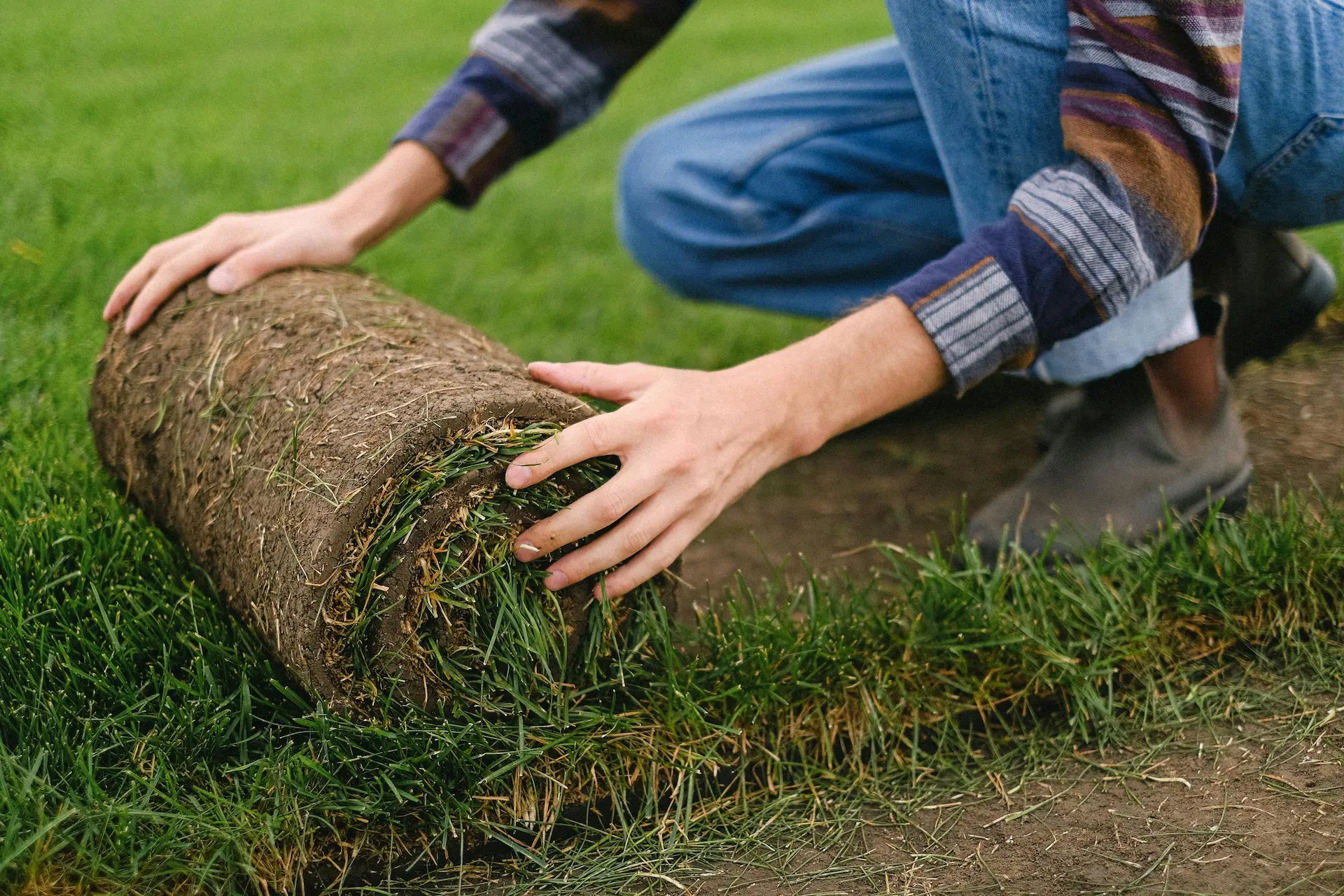
If you want sod that roots fast and survives its first Salida summer, timing is the single most important decision you'll make. The best windows to lay sod in Salida are early spring (March through May) and early fall (mid-September through October), when the soil is warm but the air isn't yet baking past 100°F. Lay it then and your new lawn knits to the ground before the heat — or the winter chill — can stress it. Try it in mid-July at 105°F and you'll be fighting the weather every single day.
Sod is essentially a living carpet of grass grown on a thin layer of soil. It gives you an instant lawn, but those harvested rolls have lost most of their roots, so the first two to three weeks are a race to re-establish before the grass burns through its stored energy. In Salida — a community of newer homes just south of the Stanislaus River, in USDA zone 9b — getting that timing right is the difference between an easy establishment and a costly redo.
Why timing is everything for sod in Salida
Salida's climate is classic hot-summer Mediterranean: long, dry, triple-digit summers and mild, foggy winters. Most local lawns are cool-season tall fescue (green year-round here) or warm-season Bermuda. Each prefers a different soil temperature to root well:
- Cool-season grass (tall fescue): roots best when soil sits around 50–65°F — spring and fall.
- Warm-season grass (Bermuda): wants warmer soil, roughly 65–80°F — late spring into early summer.
The goal is to install when the soil is in that sweet spot and the air won't cook the blades faster than the roots can pull up water. That's why Salida's shoulder seasons win.
In addition to timing, consider leveraging other local factors. For instance, Salida's proximity to the Stanislaus River means cooler overnight temperatures in fall, which helps minimize water loss through evaporation. This is especially critical for those installing sod on larger lots, where water costs can quickly escalate.
The best months to plant sod in Salida
Here's how a typical year shakes out for ZIP 95368. Conditions shift a little year to year, so treat these as planning windows, not hard dates — and confirm timing with a local crew.
| Season | Window | Rating | What to expect in Salida |
|---|---|---|---|
| Early spring | March – mid-May | Excellent | Warming soil, mild air, lingering winter moisture. Roots get months before summer. |
| Late spring | Late May – June | Good | Great for Bermuda; fine for fescue with diligent watering. |
| Peak summer | July – August | Avoid | 100°F+ days stress new sod hard. Water demand is brutal and failure risk is high. |
| Early fall | Mid-Sept – October | Excellent | Soil still warm, air cooling. Ideal for tall fescue; roots set before winter. |
| Late fall / winter | Nov – February | Fair | Sod goes semi-dormant and barely roots; holds ground but knits slowly. Watch for frost. |
Spring vs. fall in Salida: which is better?
Both are excellent, with a slight edge to early fall for tall fescue, the most common lawn grass in Salida yards. In fall the soil is still warm from summer so roots dig in quickly, but the cooling air means far less heat stress and lower City of Modesto water bills than a spring planting racing toward July. Choose spring if you're laying Bermuda or you simply want the lawn usable for summer.
Salida's builder pad: why soil prep is non-negotiable
Here's the Salida-specific catch. Across newer neighborhoods like Salida Estates and the Kiernan area, builders compacted a sandy loam pad before laying the original sod. That pad is dense and drains unevenly — water pools in one corner and runs off another. Drop fresh sod onto raw, packed builder's soil and the roots simply can't penetrate, no matter how good your timing is.
Proper prep fixes that:
- Remove the old lawn and weeds down to bare soil.
- Loosen and amend. Break up the compacted top several inches and work in 2–3 inches of compost to improve drainage and give roots somewhere to go.
- Grade it smooth, with a slight slope away from the house, so irrigation and winter rain drain off instead of pooling on the uneven pad.
- Roll and moisten the bed lightly right before the sod arrives so roots meet damp, not dusty, soil.
Soil prep alone can run between $500 and $800 before sod installation, depending on the size of the yard and the extent of grading required.
Watering new sod through a Salida summer
Water is the make-or-break factor, and in Salida it comes from the City of Modesto, so you're paying for every gallon. New sod needs a lot up front, then progressively less as it roots:
- Days 1–14: keep the sod and the soil beneath it consistently moist. In summer heat that can mean short cycles 2–3 times a day. Peel back a corner — the soil should be damp 1–2 inches down.
- Weeks 3–4: taper to once a day, then every other day, as roots grab hold. Tug a corner; resistance means it's rooting.
- After establishment: shift to deep, infrequent watering — about 1 to 1.5 inches per week, early morning, to beat Salida's evaporation.
Water before about 8 a.m. Midday watering in July loses most of the water to evaporation, and night watering invites fungus. If your sprinkler coverage is patchy, fix it before the sod goes down — dry corners are the number one cause of new-lawn failure on Salida's unevenly graded lots.
Common local sod installation challenges
Even with perfect timing, Salida homeowners often face unique challenges during sod installation:
- Uneven grading: Many new-construction lots in Salida have uneven grading that causes water pooling or runoff. Professional grading before sod installation can cost $300–$500 but ensures better long-term results.
- Soil compaction: Builder pads are notoriously compacted, requiring extensive loosening and compost amendments, which can add another $200–$400 to prep costs.
- High summer evaporation: In July and August, Salida's heat can evaporate water faster than sod can absorb it. Homeowners often use temporary shade structures or misting systems to mitigate stress.
Understanding these challenges and addressing them upfront can save you from costly mistakes and rework.
Frequently asked questions
When is the absolute best time to plant sod in Salida?
Early fall (mid-September through October) and early spring (March through May) are the two best windows in Salida. The soil is warm enough to root quickly but the air isn't past 100°F yet, so the new lawn establishes with far less stress and lower water use than a summer install.
Can I lay sod during a Salida summer?
Yes, sod can be installed year-round, but July and August are the hardest months in Salida. Triple-digit heat means you may need to water two or three times a day for the first couple of weeks, and the failure risk is much higher. If you must do it in summer, lay it the same day it's delivered and stay on top of watering.
How long before I can walk on or mow new sod?
Keep foot traffic off for about two weeks while roots establish. You can usually take the first mow at two to three weeks, once a gentle tug on a corner meets resistance. Cut high and never remove more than a third of the blade in one pass.
What kind of sod is best for Salida lawns?
Tall fescue blends are the most popular here because they stay green year-round and handle both Salida's hot summers and mild, foggy winters. Bermuda is a tough, drought-hardy warm-season option that thrives in full sun but goes brown and dormant in winter.
Does Salida's new-construction soil affect sod?
Yes. Newer Salida neighborhoods sit on a compacted sandy loam pad that drains unevenly, making it hard for roots to penetrate. Breaking up the top several inches and working in 2 to 3 inches of compost before laying sod loosens it and improves drainage so the lawn roots properly.