
Sod Installation Cost in Riverbank: 2026 Price Guide
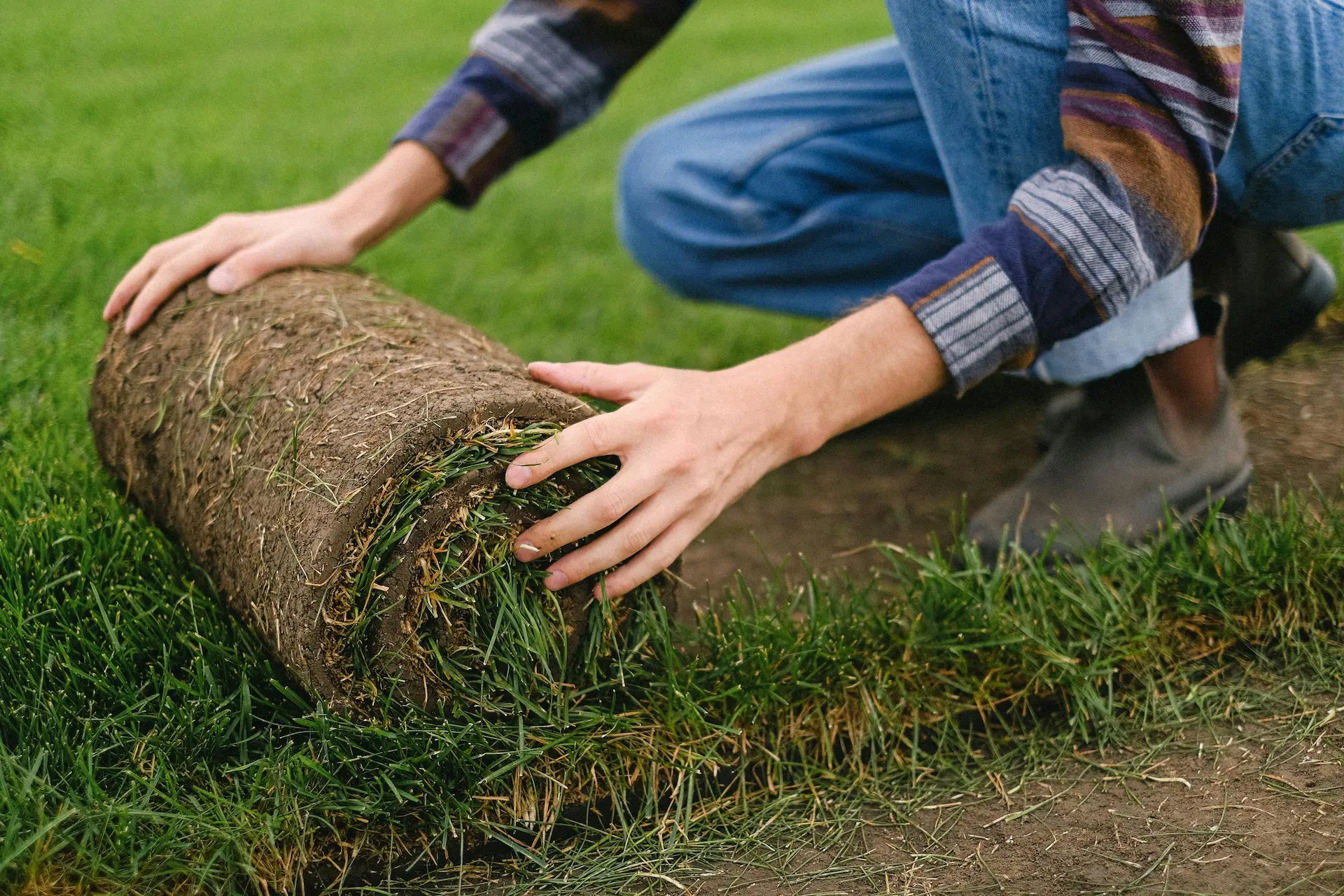
If you are pricing out a new lawn in Riverbank, sod is the fastest way to go from dirt to green — but the cost swings more than most homeowners expect. As a planning range, professionally installed sod in the Riverbank area typically runs roughly $1.50 to $3.00 per square foot, materials and labor included. Where your project lands in that range depends mostly on your soil, your prep needs, and how much area you are covering. Here is how the math actually works so you can budget with confidence.
Every number below is a general 2026 estimate for the Riverbank and wider Riverbank-area market, not a quote. The only way to get your real price is a free on-site measurement, because soil and prep vary a lot even between neighbors here. With that said, let us break it down.
What sod installation costs in Riverbank
Sod is priced per square foot, and that price bundles a few things: the sod rolls themselves, delivery, soil prep, and the labor to lay it. Here is a realistic breakdown for the area.
| Cost component | Typical Riverbank range | Notes |
|---|---|---|
| Sod material (delivered) | ~$0.40–$0.80 / sq ft | Tall fescue blends vs. Bermuda; grade matters |
| Soil prep & grading | ~$0.50–$1.50 / sq ft | Heavier on hardpan terrace ground; lighter on river loam |
| Installation labor | ~$0.50–$1.00 / sq ft | Access and yard shape affect this |
| Installed total | ~$1.50–$3.00 / sq ft | All-in planning range |
Ranges are general 2026 estimates for the Riverbank / Riverbank-area market and will vary with your specific yard. Always confirm current pricing with an on-site quote.
What that means for a typical yard
To translate per-foot pricing into a real budget, multiply by your area. A small 500-square-foot front lawn might land around $750 to $1,500 installed, while a larger 1,500-square-foot yard could run roughly $2,250 to $4,500. Bigger jobs sometimes earn a slightly lower per-foot rate, but prep needs can pull it the other way.
What drives your sod price up or down
Two Riverbank yards of the same size can be quoted very differently. The main factors:
- Soil type and condition. Properties near the Stanislaus often sit on rich river-bottom loam that needs minimal prep. Lots farther out often sit on old terrace ground over a cemented hardpan, where the topsoil needs tilling and compost to drain — that adds labor and material.
- Old lawn removal. Stripping out dead grass, weeds, or old roots before laying sod adds time. A clean dirt pad is cheaper to start from.
- Grading and drainage. If the yard needs to be leveled or sloped away from the house, expect more prep cost.
- Sod grade. A premium, dense tall fescue blend costs more per roll than a basic grade but fills in thicker and handles foot traffic better.
- Access. A wide-open front yard is quick to load and lay; a narrow backyard reached by wheelbarrow through a side gate takes longer.
- Irrigation. If your sprinklers have dry spots or broken heads, fixing them before sod goes down is money well spent — uneven water is the top cause of new-lawn failure here.
Why Riverbank soil changes the cost
Soil is the single biggest reason quotes vary here, so it is worth understanding. Riverbank's location along the Stanislaus means the ground under your lawn can differ block to block:
- River-bottom loam near the river drains well and is easy to work. Prep is lighter, so your per-foot cost trends toward the low end.
- Terrace hardpan farther from the river: much of town sits on old terrace ground with a cemented hardpan roughly 2–3 feet down that holds water and stops roots. It usually needs tilling plus 2–3 inches of compost worked in so the new sod can root and drain — real labor and material that pushes the price up.
Skipping prep to save money on hardpan ground is the classic false economy: the sod struggles, thins out, and you pay again. Proper prep is what makes the lawn last.
Sod vs. seed: is sod worth the extra cost?
Seed is cheaper up front, but in Riverbank's climate sod usually wins for most homeowners:
- Instant lawn. Sod is usable in weeks; seed takes months and a lot of babying.
- Weed resistance. A dense sod mat crowds out weeds that would otherwise overrun thin new seed in our growing conditions.
- Erosion and dust control. Sod holds soil immediately — useful where valley dust and bare dirt are a nuisance.
- Better summer odds. Seed struggles to establish in heat; sod, laid in the right season, roots far more reliably.
Seed can make sense for very large, low-traffic areas on a tight budget. For a standard residential lawn you actually want to use, sod's higher cost buys speed and reliability.
How to get the most lawn for your budget
- Get the timing right. Installing in spring or early fall — not peak July heat — cuts water use and failure risk, protecting your investment.
- Do not cut the prep. On Riverbank hardpan ground, proper grading and compost are what make the sod last; it is the worst place to economize.
- Fix irrigation first. Even coverage decides whether the lawn survives; repair dry spots before the sod arrives.
- Phase if needed. Do the front yard now and the back later to spread the cost.
- Get written quotes so you are comparing scope and prep, not just a headline per-foot number.
Frequently asked questions
How much does sod installation cost in Riverbank?
As a general 2026 planning range, professionally installed sod in the Riverbank area runs roughly $1.50 to $3.00 per square foot, including materials, prep, and labor. A small 500-square-foot lawn might land around $750 to $1,500, while a 1,500-square-foot yard could run about $2,250 to $4,500. Your soil and prep needs decide where you fall, so confirm with an on-site quote.
Why is my sod quote higher than my neighbor's?
Usually soil. Riverbank yards near the Stanislaus often sit on easy-to-work river loam, while lots farther out often sit on hardpan terrace ground that needs tilling and compost before sod can root. Old lawn removal, grading, yard access, and sod grade also move the number, so two same-size yards can be priced quite differently.
Is sod cheaper than artificial turf?
Yes, by a lot up front. Sod typically runs about $1.50 to $3.00 per square foot installed, while artificial turf is more like $10 to $20 per square foot. Turf costs more to install but needs no water or mowing, so it can pay back over many years — sod is the budget-friendly choice if you want a natural lawn and do not mind the upkeep.
When is the best time to lay sod in Riverbank?
Early spring (roughly March through May) and early fall (mid-September through October) are ideal. The soil is warm enough to root quickly but the air is not yet past 100F, so the new lawn establishes with far less stress and lower water use than a peak-summer install.
Do you include soil prep in the sod price?
A proper installed price includes prep — clearing the old lawn, tilling, amending the soil where needed, and grading — because that is what makes the sod survive on Riverbank hardpan ground. Be cautious of any quote that looks cheap but skips prep; thin prep is the most common reason a new lawn fails early here.