
Del Rio Summer Lawn Watering Schedule & How-To Guide
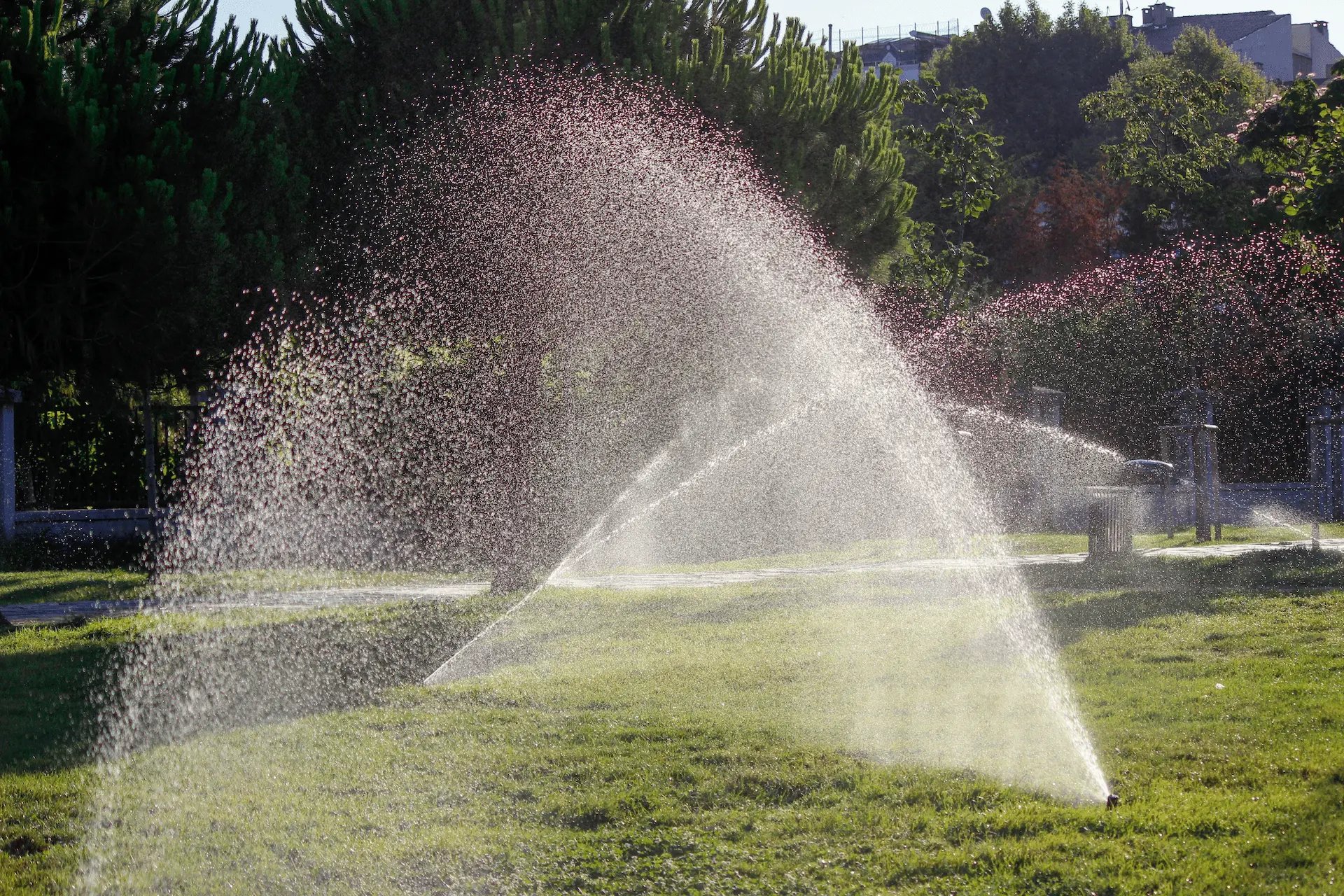
Keeping a Del Rio lawn green through summer isn't about pouring on more water — it's about timing it so the grass keeps it, efficiently, across a large lot. We're in USDA zone 9b, where July and August routinely top 100°F and midday watering largely evaporates before it reaches the roots. Out here, with big lawns often fed by a mix of private well and City of Modesto water, waste shows up fast on your bill and your well. The winning formula is simple — water deep, early, and a few times a week — and this guide tunes it for Del Rio's larger properties.
This schedule is a starting point for a typical Valley summer on a private well. On City of Modesto water, check your assigned days first: homes on the city's Del Rio system water only two days a week (odd addresses Wednesday and Sunday, even addresses Tuesday and Saturday). Your exact run times depend on grass type, soil, sun, and sprinkler type, so adjust based on what the lawn tells you.
How often to water a Del Rio lawn in summer
Most Del Rio lawns are tall fescue (cool-season, green year-round) or Bermuda (warm-season, loves heat). Both do best with deep, infrequent watering that trains roots to grow down instead of staying shallow:
- Tall fescue: about 3 deeper soakings per week in peak heat, totaling roughly 1.5 inches of water across the week.
- Bermuda: often fine on 2 to 3 soakings a week; it's more drought-tolerant once established.
The goal is to wet the soil 6 to 8 inches down, then let the top dry slightly before the next cycle. Daily shallow watering keeps roots near the surface, where they fry first in a heat wave. For example, a typical large fescue lawn in Del Rio — say, 10,000 square feet — might need around 9,300 gallons of water per week during July and August. Whether that water comes from a City of Modesto account or your own well pump, efficient watering saves real money each summer.
| Period | Days per week | When | Notes for Del Rio |
|---|---|---|---|
| Late spring (May–June) | 2–3 | Before 8 a.m. | Ease in as temps climb; watch for the first 95°F+ days |
| Peak summer (July–Aug) | 3 (fescue) / 2–3 (Bermuda) | 4–8 a.m. | Deep soakings; split into cycles if water runs off |
| Heat wave (105°F+) | Add a short midday syringe if wilting | Brief, ~noon (private wells only) | A quick cool-down only — not a full extra soak |
| Early fall (Sept–Oct) | 2 | Before 8 a.m. | Back off as nights cool; cut sooner if it rains |
The best time of day to water in Del Rio
Run your sprinklers in the pre-dawn to early-morning window, ideally finishing by about 8 a.m. Three reasons this matters even more on a Del Rio lot:
- Evaporation. Midday watering in July loses a large share of every gallon before it soaks in — painful on a big lawn.
- Wind. Afternoon Valley breezes blow spray off-target, creating dry streaks and wasted overspray across long runs.
- Disease. Evening watering leaves blades wet overnight, which invites fungus. Morning water dries as the sun comes up.
For instance, moving a 15,000-square-foot Bermuda lawn from evening watering to pre-dawn cycles might cut its water use by around 20% and help clear up brown patches caused by fungal infections.
How long to run each zone on a large lot
Run time depends entirely on your sprinkler type, because they apply water at very different rates:
- Spray heads (fixed fan sprays) put out a lot of water fast — often 12 to 15 minutes per cycle is plenty.
- Rotors (rotating streams, common on big Del Rio lawns) apply water slowly, so they need longer — often 25 to 40 minutes for the same amount.
- Drip / MP rotators are the most efficient and waste the least — ideal for beds and large areas.
Don't guess — do the tuna-can test. Set a few shallow cans on the lawn, run a zone, and measure how long it takes to collect about half an inch. That's your real application rate, and it beats any generic minute count. On a big lot, testing a few representative zones saves a lot of guesswork.
Cycle-and-soak for runoff spots
Del Rio's upland is mostly fast-draining sandy loam, but compacted or sloped spots can still shed water before it absorbs, pooling on driveways and gutters. The fix is cycle-and-soak: instead of one 30-minute run, do three 10-minute cycles with a soak gap between them, so the water sinks in between cycles instead of running down the street. Loamier areas absorb faster and may not need it. On a big lawn this is also gentler on a well.
Using mulch to retain water
Mulching can significantly reduce water loss, particularly in landscaped areas or around trees and shrubs. Organic mulch, like bark or wood chips, helps keep the soil’s temperature cooler and reduces evaporation. For instance, mulching ornamental beds that dry out quickly might cut the water those beds need by an estimated 25%.
Mulch also improves soil structure over time, making compacted areas more absorbent and reducing runoff. A typical application costs around $40 per cubic yard in Del Rio, with delivery fees varying by proximity to Modesto suppliers.
Adjusting for water restrictions
Homes on the City of Modesto's Del Rio system follow a two-day watering schedule (odd addresses Wednesday and Sunday, even addresses Tuesday and Saturday); private wells are not bound by it, though Modesto asks well owners to follow it too. A smart controller can automatically adjust watering frequency to comply. For example, a controller programmed for two days a week, with longer soak times and cycle-and-soak on each watering day, may keep a 12,000-square-foot lawn green while staying within the schedule.
Check with the City of Modesto for updated rules during summer months, or contact Palmstone Landscaping for advice on compliant watering schedules tailored to Del Rio properties.
Signs you're watering wrong
- Runoff onto the driveway means your cycle is too long for your soil — switch to cycle-and-soak.
- Footprints that stay visible (the grass doesn't spring back) signal the lawn is thirsty.
- A grayish-blue tint to the blades is early drought stress — water before it browns.
- Mushrooms or a soggy feel mean you're overwatering, often from evening or daily cycles.
- Dry rings or streaks point to clogged heads or poor coverage on long Del Rio pipe runs.
Dial in your controller (and consider a smart one)
Program your timer for the early-morning window, set separate run times for spray versus rotor zones, and adjust seasonally — most lawns are overwatered simply because the controller was set in May and never touched again. A smart, weather-based controller does this automatically, trimming run times when it's cooler and skipping cycles after rain. On a large Del Rio lot, where a single mistake waters thousands of square feet, that automation usually pays for itself in water saved.
Frequently asked questions
How often should I water my lawn in Del Rio during summer?
In peak summer on a private well, water tall fescue about three times a week and Bermuda two to three times; homes on the City of Modesto's Del Rio system water only two days (odd addresses Wednesday and Sunday, even Tuesday and Saturday). Always use deep soakings rather than daily light sprinkles. Aim for roughly 1.5 inches of water across the week for fescue, wetting the soil 6 to 8 inches deep so roots grow down and survive the heat. On a large Del Rio lot, efficient deep watering also protects your bill and your well.
What's the best time of day to water in Del Rio?
Early morning, finishing by about 8 a.m. Midday watering loses a large share to evaporation in 100F-plus heat, afternoon Valley wind blows spray off-target across long runs, and evening watering leaves blades wet overnight, which invites fungus. Pre-dawn cycles soak in efficiently and dry on the leaf as the sun rises - the most efficient window for a big Del Rio lawn.
Why does my sprinkler water run off onto the driveway?
That's usually a compacted or sloped spot. It can't absorb water as fast as the sprinkler applies it, so it runs off. Switch to cycle-and-soak - for example, three 10-minute cycles with a gap between them instead of one long 30-minute run - so the water sinks in between cycles. On a large lot this also spares your well from one long, heavy draw.
How long should I run each sprinkler zone on a big lot?
It depends on the sprinkler type. Spray heads apply water fast and often need only 12 to 15 minutes, while rotors - common on large Del Rio lawns - apply it slowly and may need 25 to 40 minutes for the same amount. The reliable way to know is the tuna-can test: run a zone, measure how long it takes to collect about half an inch, and set your time from that. Test a few representative zones on a big lot.
Is a smart controller worth it for a large Del Rio property?
Usually, yes. On a big lot the watering need swings hugely between June and October, and a single oversight waters thousands of square feet needlessly. A weather-based smart controller trims run times when it's cooler and skips cycles after rain automatically, so it typically pays for itself in water saved - and protects a private well from unnecessary draw across a long Valley summer.