
Best Time to Plant Sod in Del Rio, CA: A Timing Guide
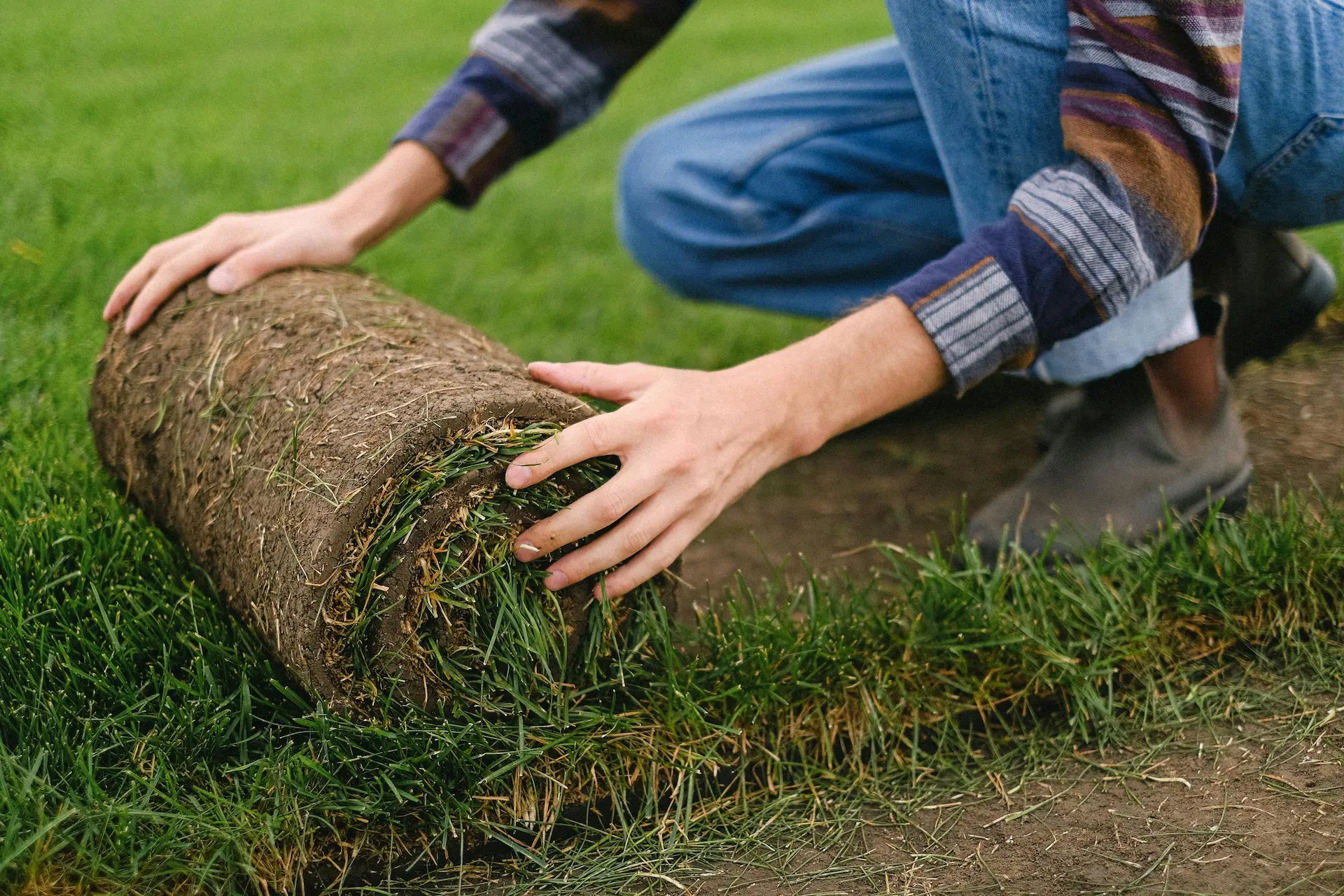
Sod is the fastest way to a finished lawn — an instant green carpet instead of months of babysitting seed — and on the big lots around Del Rio it's a popular choice. But the single biggest factor in whether new sod thrives or struggles isn't the grass or even the soil. It's timing. Lay it in the right window and the roots knit into the ground fast; lay it at the wrong time and you're fighting 100°F-plus heat or cold soil the whole way. Here's exactly when to plant sod in Del Rio, and how to set a large new lawn up to succeed.
Del Rio sits in USDA zone 9b, with hot summers, mild winters, and mostly fast-draining sandy loam and loamy sand on the upland above the river. Those conditions define the planting calendar below. Because Del Rio lots are large, the prep and watering side of the job also scales up — we'll cover that too.
The best time to lay sod in Del Rio
There are two prime windows in our climate, and one stretch to avoid:
- Fall (roughly October–November) — the top choice. Warm soil keeps roots growing while cooling air takes the heat stress off. Sod laid in fall establishes through the mild winter and is well anchored before the next summer. For most Del Rio lawns, this is the ideal window. A typical half-acre lot might require 22,000 square feet of sod, costing about $1.30–$2.00 per square foot installed, making fall a cost-effective time due to reduced water needs.
- Spring (roughly March–May) — a strong second. Mild temperatures and warming soil give sod time to root before peak heat. Plant earlier in spring rather than later so the lawn is established before the first 100°F days arrive. For instance, a 10,000-square-foot yard in Del Rio would need about 1,000 gallons of water per week during spring establishment.
- Peak summer (July–August) — avoid if you can. Sod can be installed in summer, but it demands heavy, constant watering to survive transplant shock in extreme heat. On a large Del Rio lot that's a lot of water and risk. If you must, expect a far more demanding establishment period. For example, a 15,000-square-foot lawn may require up to 5,000 gallons of water weekly during peak summer.
| Season | Rating for Del Rio | Why |
|---|---|---|
| Fall (Oct–Nov) | Best | Warm soil, cool air — roots grow with minimal heat stress; ready before summer |
| Spring (Mar–May) | Very good | Mild temps let sod establish before peak heat; plant early in the window |
| Early summer (June) | Workable | Doable with diligent watering, but the clock is against you |
| Peak summer (Jul–Aug) | Avoid | Extreme heat plus transplant shock means constant watering and higher failure risk |
| Deep winter (Dec–Jan) | Slow | Cold soil slows rooting; sod just sits dormant rather than establishing |
Why timing matters more on a big Del Rio lot
On a small yard you can hand-water problem spots to rescue badly-timed sod. On a half-acre or larger Del Rio lawn, that's impractical — the sheer area means you're relying on irrigation to keep every roll evenly wet. Plant in a cooler window and the watering demand is manageable; plant in July and you're trying to keep thousands of square feet of new sod from drying out in brutal heat. Good timing turns a large sod job from a high-stakes gamble into a smooth, reliable install.
For example, a 20,000-square-foot lawn in Del Rio might cost $28,000–$40,000 to sod, depending on grass type and prep needs. Installing in fall could save hundreds of dollars in water costs compared to summer, as the cooler weather reduces evaporation rates.
Prep makes or breaks new sod
Even perfectly-timed sod fails on bad ground. Proper preparation is non-negotiable, and on a large Del Rio lot it's the bulk of the work:
- Clear and kill the old surface. Remove existing grass, weeds, and debris so the new sod meets clean soil. For a 15,000-square-foot lot, expect removal and grading to take 2–3 days with a professional crew.
- Address the soil. Del Rio's fast-draining sandy upland benefits from compost so it holds moisture for new roots, and the poorly draining river flats below the bluff benefit from loosening so water can move. Adding 2–3 inches of topsoil or compost costs around $30–$50 per cubic yard delivered locally.
- Grade for drainage. Smooth and slope the surface away from the house so water doesn't pool — critical on big, flat parcels. Laser grading might add $500–$1,000 to a large project but prevents future water issues.
- Check irrigation first. Confirm sprinkler coverage reaches every corner before the sod goes down. Gaps in coverage show up as dead patches within days on a large lawn.
- Lay tight and water immediately. Seams butted snug, then a thorough soak right away to start rooting.
Watering new sod through establishment
The first two to three weeks decide everything. New sod has no deep roots yet, so it needs frequent, light watering to stay continuously moist — not the deep, infrequent schedule you'll switch to later. Keep it damp, especially in warm weather, and gradually taper to less frequent, deeper watering as the roots take hold. On a Del Rio-sized lawn, an irrigation system that can deliver even coverage automatically is a huge advantage during this critical phase. Once established, the lawn transitions to a normal mature-lawn schedule.
For example, a 12,000-square-foot lawn might require four irrigation zones, each running 15 minutes per day initially, tapering to twice per week after 6–8 weeks. Expect water bills to rise temporarily during establishment, typically by $100–$200 per month depending on lawn size and season.
Sod vs. seed for a Del Rio lawn
Seed is cheaper per square foot, which tempts owners of large lots — but it takes months to fill in, needs constant moisture across the whole area, and is vulnerable to weeds, wind, and birds the entire time. Sod gives you an instant, even, weed-free lawn that's usable in weeks. On a big Del Rio property the convenience and reliability of sod usually win, especially when you've timed it to a good season and don't want to nurse bare seed through a Valley summer.
For instance, seeding a 10,000-square-foot yard might cost $500–$1,000, but you'll also need to budget for months of watering and weed control. Sod, while costing $1.30–$2.00 per square foot installed, eliminates those risks and delivers immediate results.
Frequently asked questions
When is the best time to lay sod in Del Rio?
Fall, roughly October to November, is the top window: the soil is still warm enough to grow roots while the cooling air takes heat stress off the new sod, so it establishes through winter and is anchored before summer. Spring (about March to May) is a strong second — just plant early in the window so the lawn is rooted before the first 100°F days. Peak summer is best avoided.
Can I install sod in summer in Del Rio?
You can, but it's the hardest time. In zone 9b's 100°F-plus heat, new sod suffers transplant shock and needs heavy, constant watering to survive — a big ask on a large Del Rio lot. If you have to plant in summer, expect a far more demanding establishment period and higher risk. Whenever possible, wait for fall or plant in early spring instead.
How long does sod take to root in Del Rio?
Generally a few weeks to begin anchoring, with full establishment over roughly the first month or two depending on season and care. The first two to three weeks are critical: keep the sod continuously moist with frequent light watering, then taper to deeper, less frequent watering as roots take hold. Sod planted in a cooler window roots faster and more reliably than summer sod.
Should I choose sod or seed for my Del Rio lawn?
For most Del Rio properties, sod. It gives an instant, even, weed-free lawn that's usable in weeks, while seed takes months to fill in and needs constant moisture across the whole area, leaving it open to weeds, wind, and birds the entire time. On a large lot, nursing bare seed through a Valley summer is tough — sod's reliability usually wins.
Does my Del Rio soil need prep before sod?
Almost always, yes. The old surface should be cleared; Del Rio's fast-draining sandy upland benefits from compost so it holds moisture, and the poorly draining river flats below the bluff benefit from loosening so water can move instead of pooling on top. The ground also needs grading for drainage, and irrigation coverage should be confirmed before sod goes down. Good prep is the bulk of a large-lot sod job and the main thing that prevents dead patches.