
New-Build Lawns: A Salida Homeowner's Guide (2026)
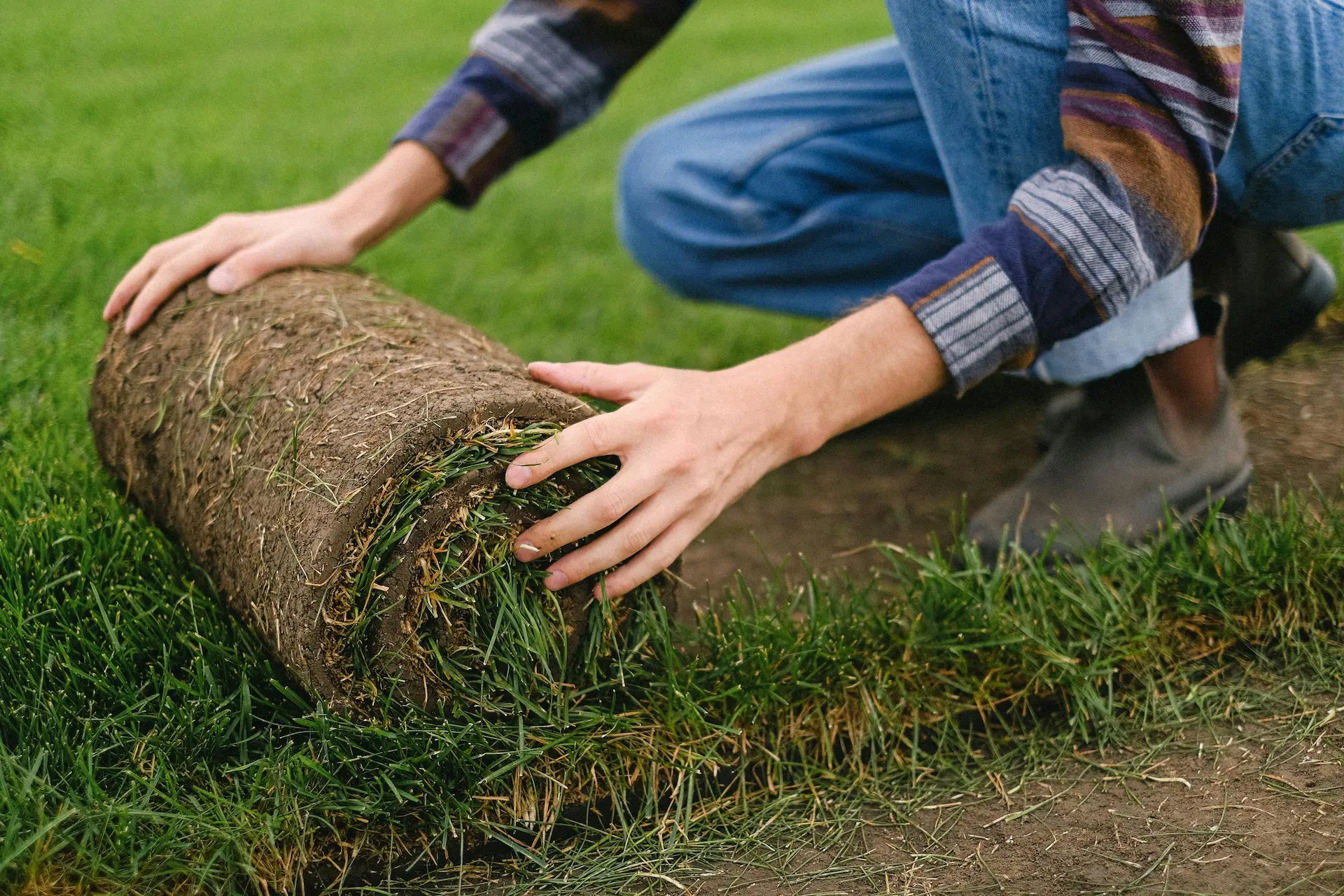
Congratulations on the new Salida home — now about that blank dirt rectangle out back. New-construction lawns in Salida have one defining challenge: the ground is a heavily compacted construction pad, not garden soil. During the build, heavy equipment drove over it, the subsoil was graded for drainage around the house, and the topsoil you'd actually want for grass is often thin or gone. Lay sod straight onto that pad and it struggles. Prep it correctly first and your first lawn roots fast and survives its first Salida-area summer. This guide walks through doing it right.
Salida is growing fast with new subdivisions, served by the City of Modesto for water. The newness is exactly why soil prep matters so much here — you're essentially building a lawn from scratch on top of a pad built for a house, not a garden.
Why a new Salida yard is harder than it looks
That flat, bare lot hides several problems common to new builds:
- Severe compaction. Construction traffic packs the soil dense, so roots and water can't penetrate.
- Thin or stripped topsoil. The good soil is often scraped off or buried; what's left is subsoil and fill.
- Buried construction debris. Chunks of concrete, wood, gravel, and stucco scraps are frequently left under the surface.
- Rough or poor grading. The grade was set to drain water off the house pad, not to grow an even lawn.
Skip the prep and you get the classic new-build lawn: thin, patchy grass that puddles in low spots, dries out on high spots, and never quite fills in. The fix is to rebuild the top several inches of soil before anything green goes down.
Step-by-step soil prep for a new construction lawn
- Clear debris. Rake and remove rocks, concrete chunks, and buried construction trash from the surface and just below it.
- Break up the compaction. Till or rip the top 4 to 6 inches to shatter the compacted pad so roots and water can move through it.
- Amend with organic matter. Work 2 to 3 inches of quality compost into the loosened soil. This is the single biggest factor in turning a construction pad into a lawn bed — it adds the structure and life the stripped soil lacks.
- Rough grade, then fine grade. Shape a smooth surface that slopes gently away from the house, filling low spots so water won't pond.
- Firm and level. Lightly roll and rake to a smooth, even seedbed, then moisten it just before laying sod.
| Step | Why it matters on a new build |
|---|---|
| Debris removal | Buried chunks create dead spots and uneven settling |
| De-compaction | Roots and water can't penetrate a packed pad |
| Compost amendment | Replaces the topsoil and life stripped during construction |
| Grading | Prevents puddles and dry high spots in the new lawn |
| Final firming | Gives sod even contact so it roots uniformly |
Sod vs. seed for a new Salida lawn
Both work on a properly prepped bed, but they suit different priorities:
- Sod gives you an instant, even lawn and is far more forgiving on a new build — the dense mat resists weeds and erosion while it roots, which matters on freshly worked soil. It's the popular choice for new Salida homes that want a finished yard quickly.
- Seed costs less upfront but takes longer to fill in, needs constant moisture, and competes with weeds on bare, disturbed soil. It also locks you into a longer, riskier establishment window.
For most new builds, sod's reliability is worth it — you've already invested in the home, and a thin seeded lawn on a construction pad is a frustrating way to start.
Timing and watering on City of Modesto water
Salida is in USDA zone 9b with the same triple-digit summers as the rest of the area, so timing matters. The best windows to install a new lawn are early spring (March–May) and early fall (mid-September–October), when the soil is warm enough to root but the air isn't past 100°F. Avoid laying sod in peak July and August heat unless you're prepared to water it constantly.
New sod needs heavy water up front, then progressively less:
- Days 1–14: keep sod and soil consistently moist — in summer that can mean short cycles 2 to 3 times a day.
- Weeks 3–4: taper to once a day, then every other day, as roots grab hold.
- Established: shift to deep, infrequent morning watering, about 1 to 1.5 inches per week.
Always water before about 8 a.m. to beat evaporation. Because your water comes from the City of Modesto, confirm your watering days with Modesto utility billing (209-577-5395) and ask whether new sod qualifies for the city’s 90-day new-planting exemption. An efficient system and a smart controller help keep the establishment phase from spiking your bill — and make sure your sprinkler coverage is even before the sod goes down, since dry corners are the top cause of new-lawn failure.
Frequently asked questions
Can I lay sod directly on my new Salida construction pad?
You shouldn't. The pad is heavily compacted and often stripped of topsoil, so sod laid straight on it roots poorly and thins out. First break up the top 4 to 6 inches to relieve compaction, remove buried debris, work in 2 to 3 inches of compost, and grade it smooth. That prep is what turns a construction pad into soil a lawn can actually live in.
Why is the soil at my new Salida home so hard and poor?
During construction, heavy equipment compacts the ground, the good topsoil is often scraped off or buried, and the grade is set to drain water away from the house rather than to grow grass. Debris like concrete and wood scraps is also commonly left under the surface. That's why new-build lawns need real soil prep before planting.
Should I choose sod or seed for a new construction lawn?
Sod is usually the better call on a new build. It gives an instant, even lawn and its dense mat resists weeds and erosion while it roots — a real advantage on freshly disturbed soil. Seed is cheaper but takes longer, needs constant moisture, and competes with weeds on bare ground, making it riskier on a construction pad.
When is the best time to install a new lawn in Salida?
Early spring (March through May) and early fall (mid-September through October) are ideal, when the soil is warm enough to root quickly but the air isn't yet past 100°F. Avoid peak July and August unless you can water new sod two or three times a day, because the heat stresses a young lawn hard.
How should I water new sod without a huge water bill?
New sod needs frequent water for the first two weeks, then progressively less as it roots, settling into deep, infrequent morning watering of about 1 to 1.5 inches a week. Watering before 8 a.m. cuts evaporation, and an efficient system with a smart controller keeps the establishment phase from spiking your City of Modesto water bill.