
The Riverbank Yard Cleanup Checklist (Season by Season)
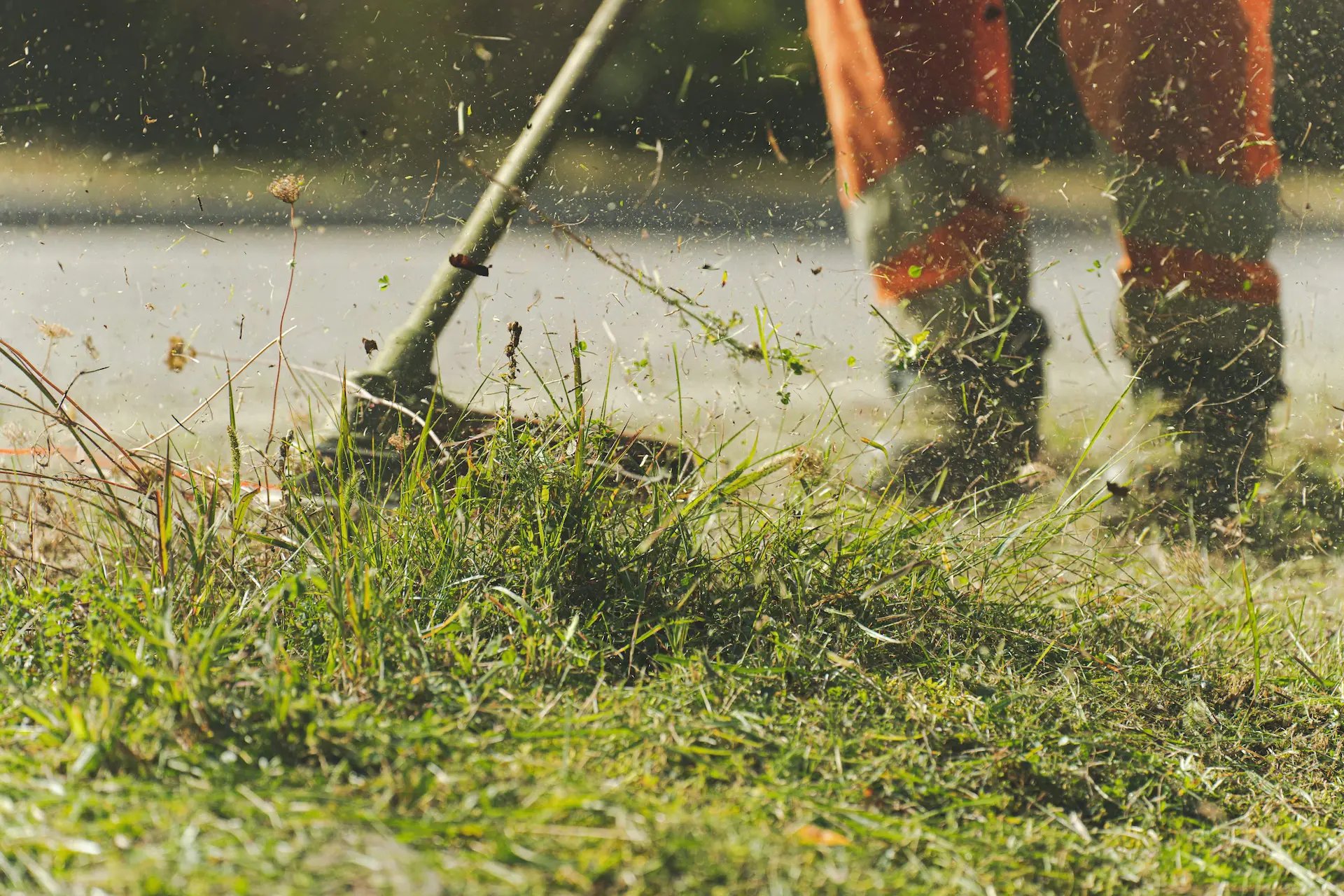
A Riverbank yard can go from tidy to overgrown in a single hot stretch. Between the dust that blows in off nearby ag land, leaf drop from mature trees near the Stanislaus River, and weeds that explode after every well-water cycle, staying ahead of it takes a plan. This season-by-season checklist walks you through exactly what to tackle, when to tackle it, and how to do it in a way that fits Riverbank's USDA zone 9b climate and our 100°F-plus summers.
Whether you are prepping for spring growth, beating back summer overgrowth, or clearing out before winter, the goal is the same: a clean, healthy yard that is easier and cheaper to maintain the rest of the year. Work through the lists below and you will hit every job that matters.
Why yard cleanup is different in Riverbank
Riverbank sits in a pocket of Riverbank-area with a few local quirks that shape how a cleanup should go:
- Dust and debris from nearby ag land. Fine valley dust settles on everything, dulls leaves, and builds up in beds and gutters. Regular clearing keeps it from smothering plants.
- River-bottom soil near the Stanislaus. Properties closer to the river often sit on rich loam that grows weeds fast; lots farther out often sit on old terrace ground over a cemented hardpan that drains slowly.
- Well water on some properties. Some Riverbank homes run on private wells rather than treated City of Riverbank water, so mineral buildup and uneven irrigation can leave dry, weedy patches that need extra attention during cleanup.
- Mature trees. Established neighborhoods carry big shade trees that drop a heavy load of leaves and limbs — great for cooling, but a steady source of cleanup work.
Spring cleanup checklist (March – May)
Spring is the most important cleanup of the year. You are setting the yard up before the heat arrives, so do it thoroughly.
Beds and borders
- Pull winter weeds before they seed — this single job saves you hours all summer.
- Cut back frost-damaged growth and last year's dead perennials.
- Refresh mulch to 2–3 inches to lock in moisture and block new weeds ahead of the dry months.
Lawn
- Rake out thatch and any matted leaves left from winter.
- Reseed or patch bare and dusty spots while the soil is still cool and moist.
- Get the first real mow in once growth picks up, cutting high.
Trees and structure
- Prune dead or crossing branches before leaf-out.
- Clear debris off the drip line so spring irrigation soaks in.
| Season | Top priority | Watch out for |
|---|---|---|
| Spring (Mar–May) | Weed before seeding, refresh mulch | Winter weeds going to seed |
| Summer (Jun–Aug) | Stay-on-top maintenance, dust control | 100°F+ heat stress, fire-prone dry brush |
| Fall (Sep–Nov) | Leaf removal from mature trees | Wet leaves smothering the lawn |
| Winter (Dec–Feb) | Dormant pruning, drainage check | Frost damage, standing water on clay |
Summer maintenance checklist (June – August)
Once we are past 100°F, the job shifts from big cleanups to staying ahead of the heat and the dust. Less digging, more upkeep.
- Pull weeds weekly while they are small — they set seed fast in valley heat.
- Knock down dry brush and dead growth. Crispy weeds and dead branches near fences or structures are a fire risk in our dry summers; clear them.
- Rinse dust off shrubs occasionally so leaves can breathe and photosynthesize.
- Keep mower blades high. Taller grass shades its own roots and the soil, holding moisture in the heat.
- Check irrigation as you go. On well water, watch for clogged or mineral-crusted heads leaving dry, weedy patches.
Fall cleanup checklist (September – November)
Riverbank's mature trees earn their keep in summer shade and then dump it all in fall. Leaf and debris removal is the headline job.
- Rake and remove leaves regularly. Do not let a wet mat sit on the lawn — it smothers grass and breeds fungus.
- Cut back spent perennials and clear annuals that are done for the year.
- Do a final mulch top-up to insulate roots through winter.
- Clean gutters and bed edges of accumulated leaves and valley dust before the rains.
- Aerate compacted areas so winter rain soaks in instead of pooling.
Winter checklist (December – February)
Cool, foggy Riverbank winters are quiet in the yard, but a few jobs now prevent spring headaches.
- Prune dormant trees and shrubs while they are leafless and structure is easy to see.
- Check drainage. On hardpan terrace ground farther from the river, watch for standing water and redirect it away from the house and root zones.
- Clear any storm debris — fallen limbs after wind or rain.
- Plan next year. Winter is the right time to line up bigger projects like new beds, sod, or irrigation upgrades.
When to call in a pro
Routine upkeep is doable on your own, but a few situations are worth handing off. If the yard is badly overgrown after a long gap, if you have heavy debris or limbs to haul, if dry brush has become a fire concern, or if you simply want it reset before listing or hosting, a one-time professional cleanup gets it done fast and gives you a clean baseline to maintain. After that, a regular lawn care plan keeps it from ever getting out of hand again.
Frequently asked questions
How much does a yard cleanup cost in Riverbank?
It depends on the size of the yard and how much overgrowth and debris there is to clear and haul. A light tidy-up is far cheaper than reclaiming a badly overgrown lot. The honest way to price it is a quick on-site look — we offer free estimates in Riverbank, so you get an accurate number for your specific yard rather than a guess.
How often should I do a full yard cleanup?
Plan on two big cleanups a year — a thorough one in spring before the heat and another in fall for leaf drop — plus light weekly upkeep through summer. Riverbank's mature trees and valley dust mean debris builds up steadily, so staying on a schedule is much easier than letting it pile up.
What should I prioritize before summer hits?
Weeding before plants go to seed and refreshing mulch are the two highest-value spring jobs. Both cut down on the work and watering you will face once we are past 100°F. Clearing dry brush away from structures is also smart, since crispy growth becomes a fire risk in our dry Riverbank-area summers.
Does well water affect my yard cleanup?
It can. Some Riverbank properties run on private wells, and mineral buildup or uneven coverage from clogged heads can leave dry, weedy patches that need extra attention during cleanup. It is worth checking your irrigation while you clear, so you can fix dry spots before they spread.
Can you haul away the debris too?
Yes. A proper cleanup includes removing and hauling the weeds, clippings, leaves, and branches we clear, so you are not left with piles to deal with. Hauling is usually the part homeowners least want to handle themselves, especially after reclaiming an overgrown yard.