
Well Water and Your Riverbank Sprinklers (2026)
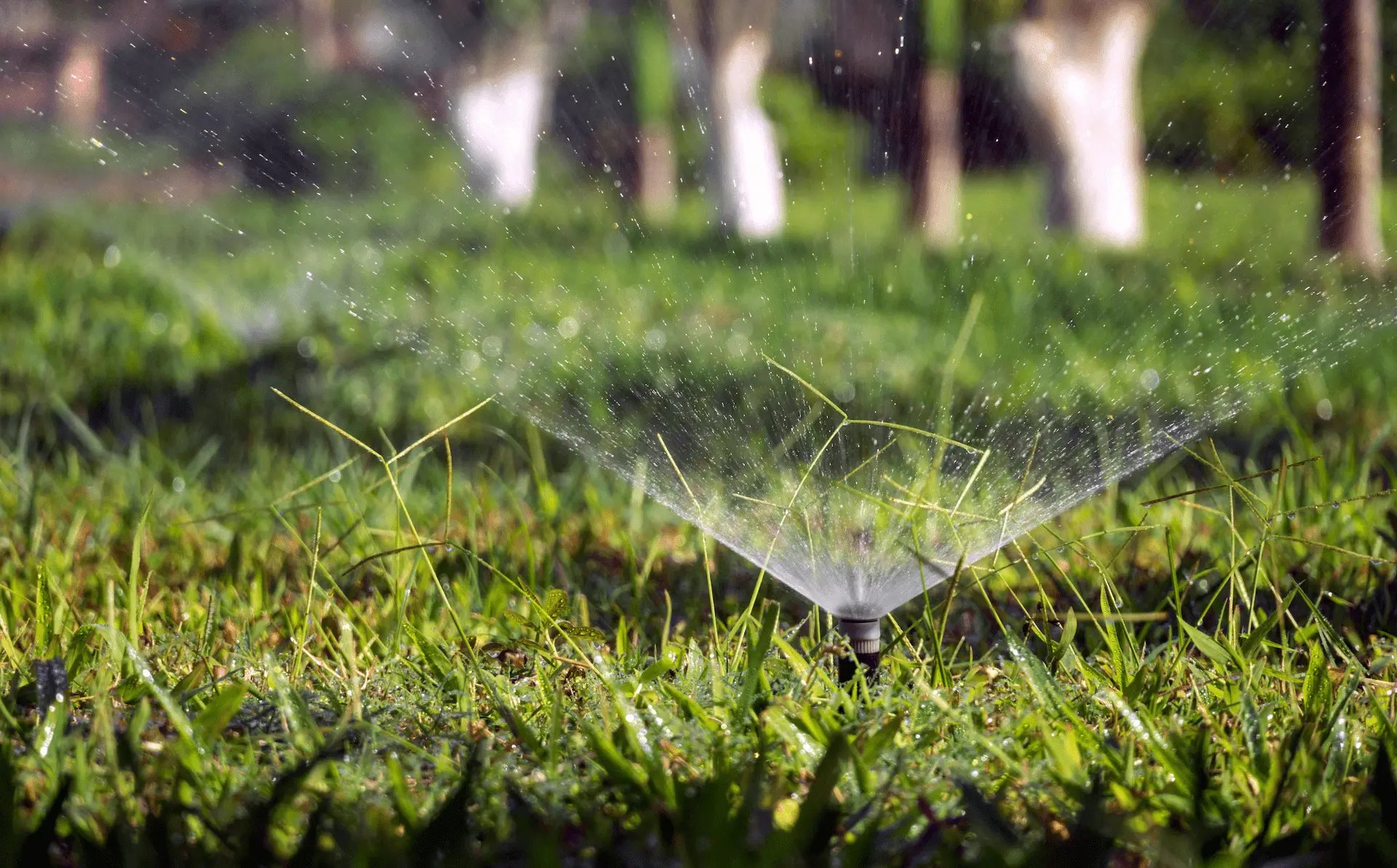
Plenty of Riverbank properties run their sprinklers on well water rather than city supply, and while a well saves you a metered bill, it brings its own headaches for an irrigation system. Untreated well water often carries iron, sediment, and dissolved minerals that city water doesn't — and those clog sprinkler heads, stain everything orange-brown, wear out moving parts, and gradually choke flow. If your Riverbank sprinklers spit, stain the fence, or lose pressure over time, your well water is very likely the cause. This guide explains what's happening and how to keep a well-fed system running clean.
Riverbank sits along the river with well water common throughout the area, though homes in town get their water from the City of Riverbank. Soil here ranges from river-bottom loam near the water to hardpan terrace ground further out — but the well-water issues below apply across the board.
What well water does to a sprinkler system
The trouble comes from what's dissolved and suspended in the water:
| Well-water issue | What you see | Effect on the system |
|---|---|---|
| Iron | Orange-brown stains on fences, walls, pavement | Builds up and clogs nozzles; stains hardscape |
| Sediment / sand | Spitting heads, gritty residue | Clogs nozzles and jams valves and gears |
| Hard-water minerals | White crusty scale on heads | Scale narrows openings, sticks moving parts |
| Bacterial slime / biofouling | Slimy buildup, odor | Gums up drip emitters and filters |
| Higher pressure swings | Inconsistent spray | Pump cycling stresses heads and fittings |
None of these mean a well can't run irrigation well — millions of properties do it successfully. They just mean a well-fed system needs the right filtration and a bit more maintenance than one on clean city water.
Iron staining: the most visible problem
If you've got rust-colored streaks on your fence, stucco, sidewalk, or the side of the house, that's iron in the well water oxidizing as it sprays into the air. Beyond the stains, iron slowly builds up inside nozzles and narrows them. The fixes are a combination of filtration to reduce the iron and smarter design — aiming heads away from walls and fences, and using drip or low-throw heads near stainable surfaces so less iron-laden water becomes airborne. Existing stains can often be cleaned with the right products, but the real solution is treating the water and adjusting the spray.
Sediment and clogging: the most common repair
Sand and grit pumped up from the well are the number-one reason well-fed sprinklers fail. The symptoms are familiar: heads that spit and sputter, uneven spray patterns, nozzles that clog within weeks of cleaning, and valves that stick open or won't close. The cure is a good sediment filter on the system, sized to your flow, plus periodic flushing of the lines. Drip systems are especially vulnerable because their tiny emitters clog easily, so they need finer filtration. If you're constantly pulling and cleaning heads, you don't have a head problem — you have an unfiltered-water problem.
Filtration and treatment that keeps it running
The right setup depends on your specific water, but a well-fed irrigation system generally benefits from a layered approach:
- Sediment / screen or disc filter: the first line of defense, catching sand and grit before they reach valves and heads. Clean or backflush it regularly.
- Iron treatment: where iron staining is bad, treatment ahead of the system reduces both clogging and orange stains.
- Finer filtration for drip: drip emitters need finer filters than spray heads because their openings are so small.
- Pressure regulation: a regulator smooths out the pressure swings from a pump cycling on and off, protecting heads and fittings.
Getting a water test first tells you what you're actually dealing with, so you treat for the real problem instead of guessing. What's right for an iron-heavy well differs from a sandy-but-clean one.
A maintenance routine for well-fed sprinklers
Well systems reward a little regular attention. Build these into your season:
- Clean or backflush filters on a regular schedule — this is the single most important habit.
- Flush the lines periodically to clear accumulated sediment from the pipes.
- Pull and clean heads that show scale or clogging, and check spray patterns.
- Inspect for staining and re-aim any heads throwing iron water onto walls or fences.
- Watch the pump and pressure for cycling or pressure drops that signal a filter or supply issue.
Stay on top of filtration and your well-fed system can water a Riverbank lawn just as reliably as city water — without the metered bill. Let the filters clog and the sediment build, and you'll be replacing heads and chasing dry spots all summer.
Frequently asked questions
Why do my Riverbank sprinklers keep clogging on well water?
Well water commonly carries sand, sediment, and minerals that city water doesn't, and those clog nozzles, jam valves, and build up scale on heads. If you're constantly cleaning heads that re-clog within weeks, the real fix isn't the heads — it's adding a properly sized sediment filter and flushing the lines, so the grit never reaches the sprinklers in the first place.
What causes the orange stains around my sprinklers?
That's iron in the well water oxidizing as it sprays into the air, leaving rust-colored stains on fences, stucco, and pavement. Beyond staining, iron slowly clogs nozzles. The solution combines iron treatment ahead of the system with smarter head placement — aiming spray away from walls and using drip or low-throw heads near stainable surfaces.
Do I need a filter for a well-water sprinkler system?
Almost always, yes. A sediment filter sized to your flow is the first line of defense against the sand and grit a well pumps up, and it prevents most clogging and valve problems. Drip systems need even finer filtration because their emitters are so small. A water test tells you whether you also need iron treatment or pressure regulation.
Can I run a drip irrigation system on Riverbank well water?
Yes, but drip is the most sensitive to well-water issues because its tiny emitters clog easily from sediment, scale, and biological slime. It works well with finer filtration and regular flushing, and it has a real upside — keeping iron-laden water out of the air near walls reduces staining. Just plan for diligent filter maintenance.
How often should I maintain a well-fed sprinkler system?
Clean or backflush the filters on a regular schedule throughout the watering season — that's the most important habit. Beyond that, flush the lines periodically to clear sediment, pull and clean any scaled or clogging heads, check for staining, and watch the pump pressure. Consistent filter care is what keeps a well system running as reliably as city water.