
Riverbank Summer Lawn Watering Schedule (2026 Guide)
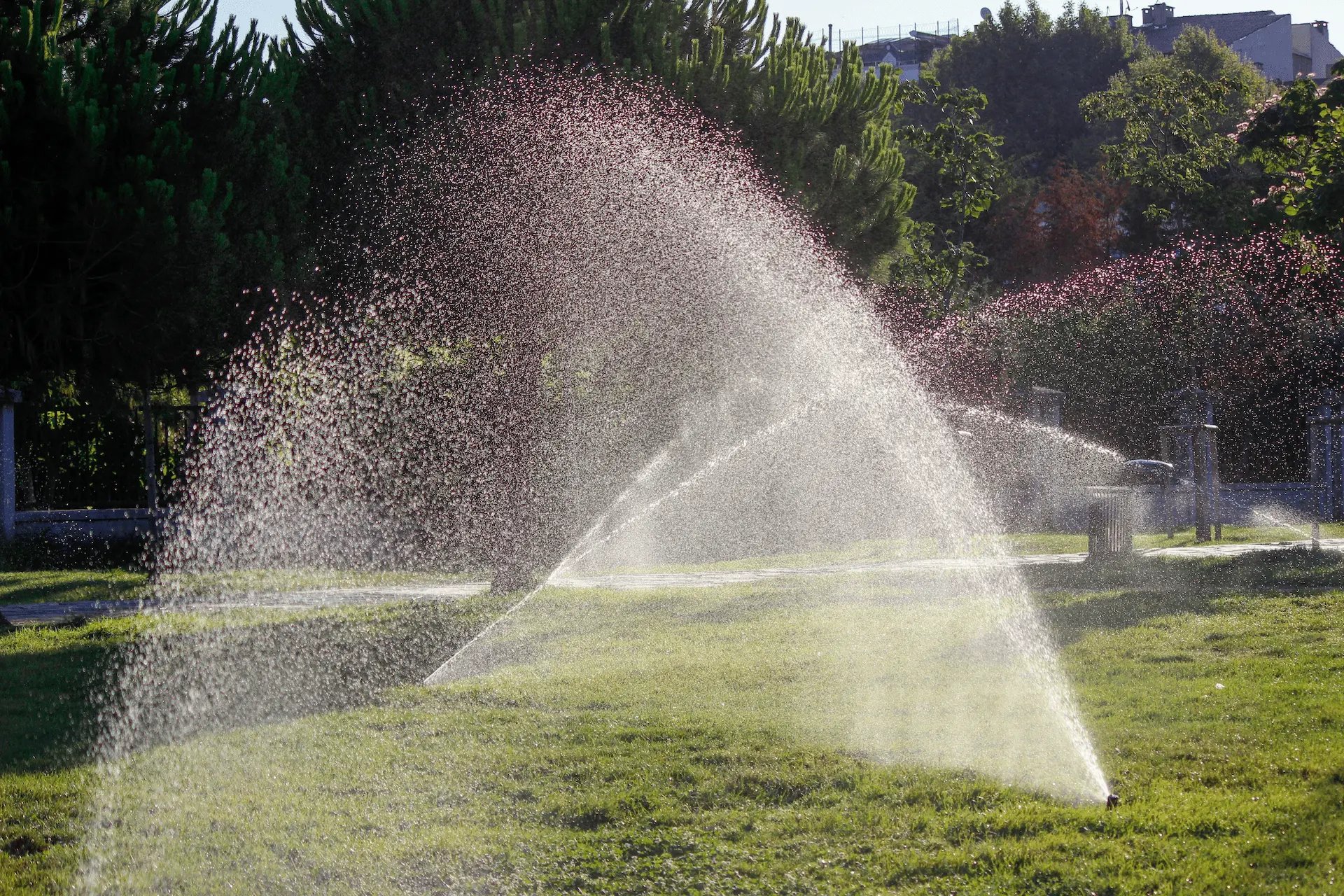
Watering is the single biggest thing that keeps a Riverbank lawn green or lets it brown out in summer. The winning formula here is simple to say and easy to get wrong: water deeply, water in the early morning, and water less often than you think. With zone 9b heat regularly past 100°F, a few longer cycles before sunrise beat daily sprinkles every time. Here is a practical summer watering schedule for Riverbank, plus the well-water sprinkler quirks you need to plan around.
Treat the schedule below as a starting point, not a hard rule. Your exact needs shift with the weather, your grass type, your soil, and how much sun your yard gets. The goal is always the same: moisture deep in the root zone, with as little waste to evaporation and runoff as possible.
The golden rules of summer watering in Riverbank
Riverbank homeowners know that summer can bring scorching heat, often exceeding 105°F during peak July and August. To keep your lawn alive and thriving, follow these golden rules:
- Water before about 8 a.m. Early morning watering allows water to soak deeply into the soil before the heat of the day evaporates it. Additionally, the grass blades dry by evening, reducing the risk of fungus or disease. For example, on Patterson Road, where properties often face full sun exposure, this timing can make a noticeable difference.
- Water deeply, not daily. Longer, less frequent watering sessions encourage roots to grow deep into the soil, where moisture lasts longer. For lawns on Riverbank's hardpan terrace ground, shallow watering leads to weaker root systems and grass that struggles during heat waves.
- Aim for about 1 to 1.5 inches per week. Split this total across two or three sessions, depending on your soil type and sprinkler system efficiency. During heat waves, consider increasing this to 1.75 inches weekly.
- Cycle and soak on hardpan. Much of Riverbank sits on terrace ground with a cemented hardpan 2–3 feet down, so water drains slowly. Break longer watering cycles into 2-3 shorter bursts to reduce runoff and ensure the soil absorbs the moisture effectively. For instance, lawns near the Stanislaus River might need less frequent watering due to their loamy soil’s better absorption.
A sample Riverbank summer watering schedule
Below is a starting schedule tailored for an established lawn in ZIP code 95367. Adjust the times based on your sprinkler system and soil type:
| Period | Frequency | Timing | Notes |
|---|---|---|---|
| Early summer (June) | 2–3 days / week | Before 8 a.m. | Transition toward longer, less frequent cycles |
| Peak heat (July–Aug) | 3 days / week (your assigned days) | Before 6–8 a.m. | Increase run times; cycle-and-soak for clay soil |
| Heat wave (105°F+) | Add a short cycle | Pre-dawn | Monitor for stressed or dry zones |
| Late summer (Sept) | 2–3 days / week | Before 8 a.m. | Gradually reduce as temperatures drop |
This general guide is optimized for Riverbank's Riverbank-area climate. Personalize the schedule based on your lawn’s specific needs.
How long should each cycle run?
Determining the exact runtime for your sprinklers depends on the type of sprinkler heads you use. Spray heads, common in many Riverbank homes, deliver water quickly and require shorter cycles, typically 10–15 minutes. Rotor heads, which distribute water more evenly over time, may need 20–30 minutes per cycle.
To find the ideal runtime, use the can test: place several cups or cans around your lawn, run a zone, and measure the collected water. When you reach approximately half an inch, you’ve hit the right runtime for that zone.
On slow-draining hardpan ground, split long runs into shorter bursts to avoid runoff. For example, instead of running a zone for 30 minutes straight, try three 10-minute cycles spaced 15 minutes apart to let the soil absorb water effectively.
The Costs of Overwatering
Overwatering is a common mistake among Riverbank homeowners trying to combat summer heat. While it might seem like a safe bet, excessive watering leads to several issues:
- Higher water bills: In Riverbank, water costs can increase significantly during summer months. Overwatering a 2,000-square-foot lawn can add $50–$75 to your monthly bill.
- Fungal diseases: Constantly wet grass creates the perfect environment for mold and fungus, especially in shaded yards near Claus Road.
- Runoff waste: Excess water often runs off into sidewalks and streets, wasting resources and failing to benefit your lawn.
Stick to the recommended 1–1.5 inches per week and monitor your lawn for signs of stress rather than guessing.
Frequently asked questions
How often should I water my lawn in Riverbank during summer?
For an established lawn, aim for deep watering 2 or 3 days a week in summer, on your City of Riverbank watering days (even addresses Tue/Thu/Sat, odd Wed/Fri/Sun), rather than a little every day, ramping up in peak July and August heat. Target roughly 1 to 1.5 inches per week total, run before about 8 a.m. Watering deep and less often pushes roots down where the soil stays cooler, so the grass handles 100°F-plus days far better.
What is the best time of day to water a Riverbank lawn?
Early morning, before about 8 a.m. (pre-dawn is even better in a heat wave). Watering then lets the water soak in before the heat evaporates it and lets the blades dry during the day, which prevents fungus. Avoid midday watering, which wastes water to evaporation, and avoid night watering, which keeps the grass wet and invites disease.
Why does my lawn have dry spots even though I water enough?
Almost always uneven sprinkler coverage. In Riverbank, well-water sediment clogs heads over time, so a blocked or tilted head sprays weakly and leaves dry streaks while the rest of the lawn gets plenty. Run each zone, watch the spray, and clean or replace any head that is plugged or misaimed — that usually fixes the dry patches.
How long should I run my sprinklers in a Riverbank summer?
It depends on your heads. Spray heads deliver water fast and need shorter cycles; rotors need longer. The reliable way to set it is the can test: place a few cups on the lawn, run a zone, and time how long it takes to collect about a half-inch, then schedule to hit your weekly target. On clay, split long runs into shorter bursts so water soaks in.
Should I water more during a Riverbank heat wave?
Yes, modestly. When temperatures push past 105°F, add a short extra cycle, ideally pre-dawn, and watch for stressed or graying spots that signal the lawn needs more. The key is still depth over frequency — deeper, well-timed watering beats shallow daily sprinkling even in extreme heat. A smart controller handles these adjustments automatically.