
Riverbank Irrigation System Cost Breakdown in 2026
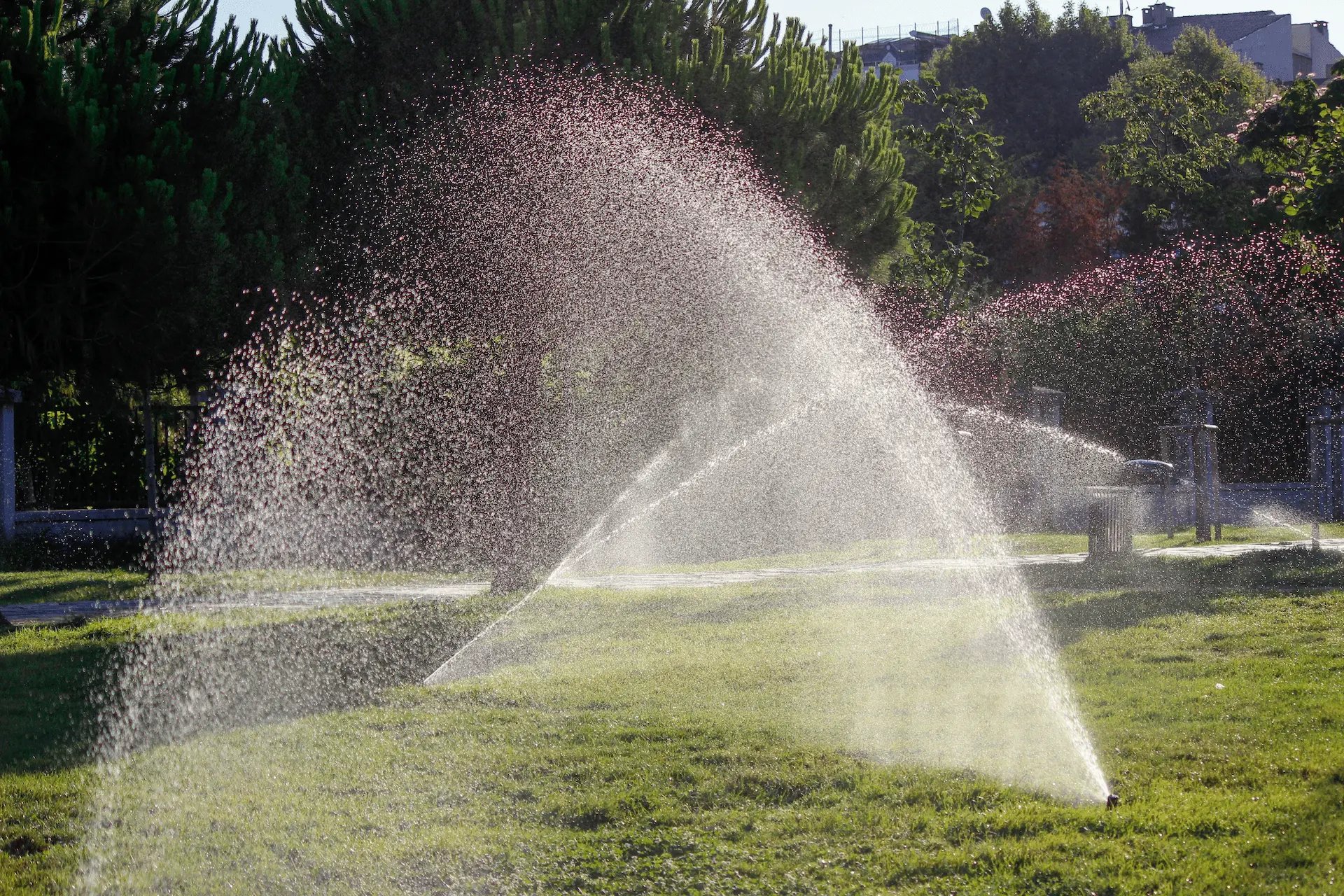
An efficient irrigation system is essential for Riverbank homeowners looking to keep their landscapes thriving through hot, dry summers. But how much does it cost? Irrigation system installation in Riverbank typically ranges from $2,500 to $8,000 in 2026, depending on yard size, system type, and soil conditions. Here’s a detailed breakdown of costs and what you need to know to get the most value in neighborhoods like Crossroads, the Riverbank Industrial area, and Old Town Riverbank.
Quick answer: irrigation system cost in Riverbank
| Yard size | Typical installed cost |
|---|---|
| Small yard (under 1,500 sq ft) | $2,500 – $4,000 |
| Medium yard (2,000 – 4,000 sq ft) | $4,000 – $6,500 |
| Large yard (5,000+ sq ft) | $6,500 – $10,000+ |
These estimates are based on typical Riverbank yards on City of Riverbank water. Costs vary depending on system type (sprinkler vs drip), soil (river-bottom loam or hardpan), and water pressure. Get a free on-site consultation to pinpoint your exact costs.
What impacts irrigation costs in Riverbank?
Several factors influence how much you’ll pay for a new irrigation system in Riverbank:
1. System type
Sprinkler systems are ideal for lawns and cost $2,500–$7,500 depending on the number of zones and features like smart controllers. Drip irrigation, better suited for gardens and clay-heavy soil, runs $1,500–$6,000. Combination systems for mixed-use yards can cost more.
For instance, a smart sprinkler system for a 3,000-square-foot lawn might cost around $5,200, while a drip irrigation system for a large garden with clay soil might run about $3,800, including special emitters to handle slow drainage.
2. Yard size and layout
Larger yards require more zones, piping, and labor. Complex layouts with slopes, trees, or narrow sections (common in Old Town Riverbank) add to the price due to increased labor and customization. For example, a 6,000-square-foot yard that needs custom piping to navigate around mature trees and garden beds might cost around $8,500.
3. Soil type
Riverbank has two dominant soil types: river-bottom loam near the Stanislaus River and old terrace ground with a cemented hardpan roughly 2–3 feet down across much of town. Loam drains well and is easier to work with, while hardpan ground requires additional planning for drainage and root penetration, increasing installation costs by 10–20%.
For example, a combination system with drip irrigation for garden beds and sprinklers for a loamy front lawn might cost around $6,000.
4. Water source
If you’re on City of Riverbank water, system design needs to account for local pressure. Well water users often need filtration or pressure regulators, which add to the cost. For example, a pressure regulator for a system connected to a private well might add around $500.
5. Smart upgrades
Smart controllers that adjust watering schedules based on weather and soil moisture cost $200–$500 but can save thousands over time in reduced water usage.
Is drip or sprinkler better for Riverbank soil?
It depends on your yard’s needs:
- Sprinkler systems: Best for lawns and large open areas. However, sprinklers can struggle with runoff on Riverbank’s hardpan ground unless adjusted for slow watering cycles.
- Drip irrigation: Ideal for gardens, shrubs, and clay-heavy yards. Drip systems deliver water directly to roots, minimizing evaporation and runoff.
The best solution for many Riverbank homes is a hybrid system, with sprinklers for turf and drip irrigation for plants and garden beds. For example, a hybrid system with three sprinkler zones for the lawn and two drip irrigation zones for garden beds might cost around $7,000.
How to save water and money with your system
With Riverbank summers often exceeding 100°F, efficient watering is crucial. Follow these tips:
- Install a smart controller: These devices adjust watering schedules based on local weather and soil moisture, reducing overwatering. Check out EPA WaterSense for certified options.
- Use appropriate emitters: Choose low-flow emitters for clay soil to prevent pooling and runoff.
- Water early: Watering before 8 AM minimizes evaporation in Riverbank’s summer heat.
- Mulch garden beds: Adding a 2–3 inch layer of mulch can reduce evaporation by up to 50%, keeping your soil moist longer.
Popular Riverbank Irrigation Projects
Here are some examples of the kinds of irrigation projects Riverbank homeowners take on:
1. Backyard oasis in Old Town: A sprinkler and drip hybrid system for a 4,000-square-foot yard, with a smart controller and low-flow emitters for slow-draining areas, might cost around $6,200.
2. Efficient garden in Crossroads: A drip irrigation system for a vegetable garden, with weather-based scheduling to handle Riverbank’s hot summers, might cost around $3,500.
3. Large estate near the Stanislaus River: A system for a 10,000-square-foot property, including custom piping to manage slopes and diverse plant zones, might cost around $12,000.
Maintenance costs: what to expect
Proper maintenance keeps your system efficient and prevents costly repairs. Typical annual costs in Riverbank include:
- Seasonal tune-ups: $150–$300 for checking heads, zones, and leaks
- Filter cleaning/replacement: $50–$100, especially for well water systems
- Repairs: Fixing broken heads or leaks runs $50–$200 per issue
Frequently asked questions
How much does irrigation installation cost in Riverbank?
Costs range from $2,500 to $8,000 depending on yard size, system type, and soil. Small yards with simple sprinkler systems are on the lower end, while large or complex yards with drip systems cost more.
Can you install irrigation in clay soil?
Yes, but clay requires slower watering cycles and may need additional drainage planning. Drip irrigation is often the best choice for hardpan areas in Riverbank.
Is drip irrigation better for gardens?
Yes, drip systems deliver water directly to the roots of plants, reducing evaporation and runoff. They’re particularly effective for Riverbank’s hot, dry summers and hardpan ground.
What’s the lifespan of an irrigation system?
With proper care, a sprinkler or drip system can last 15–20 years. Regular maintenance, like cleaning filters and replacing heads, extends its life.
Do smart controllers save water?
Yes, smart controllers can reduce water use by up to 30% by adjusting schedules based on weather and soil conditions. They’re a great investment for Riverbank homeowners.
Final word
Investing in a high-quality irrigation system tailored to Riverbank’s soil, climate, and water realities ensures a thriving landscape while saving water and money. Whether you’re in Crossroads, the Riverbank Industrial area, or Old Town Riverbank, our team can design and install a system that meets your needs. Get a free estimate here or call (209) 593-6334 to schedule your consultation.