
Drought-Tolerant Front Yard Ideas for Modesto, CA
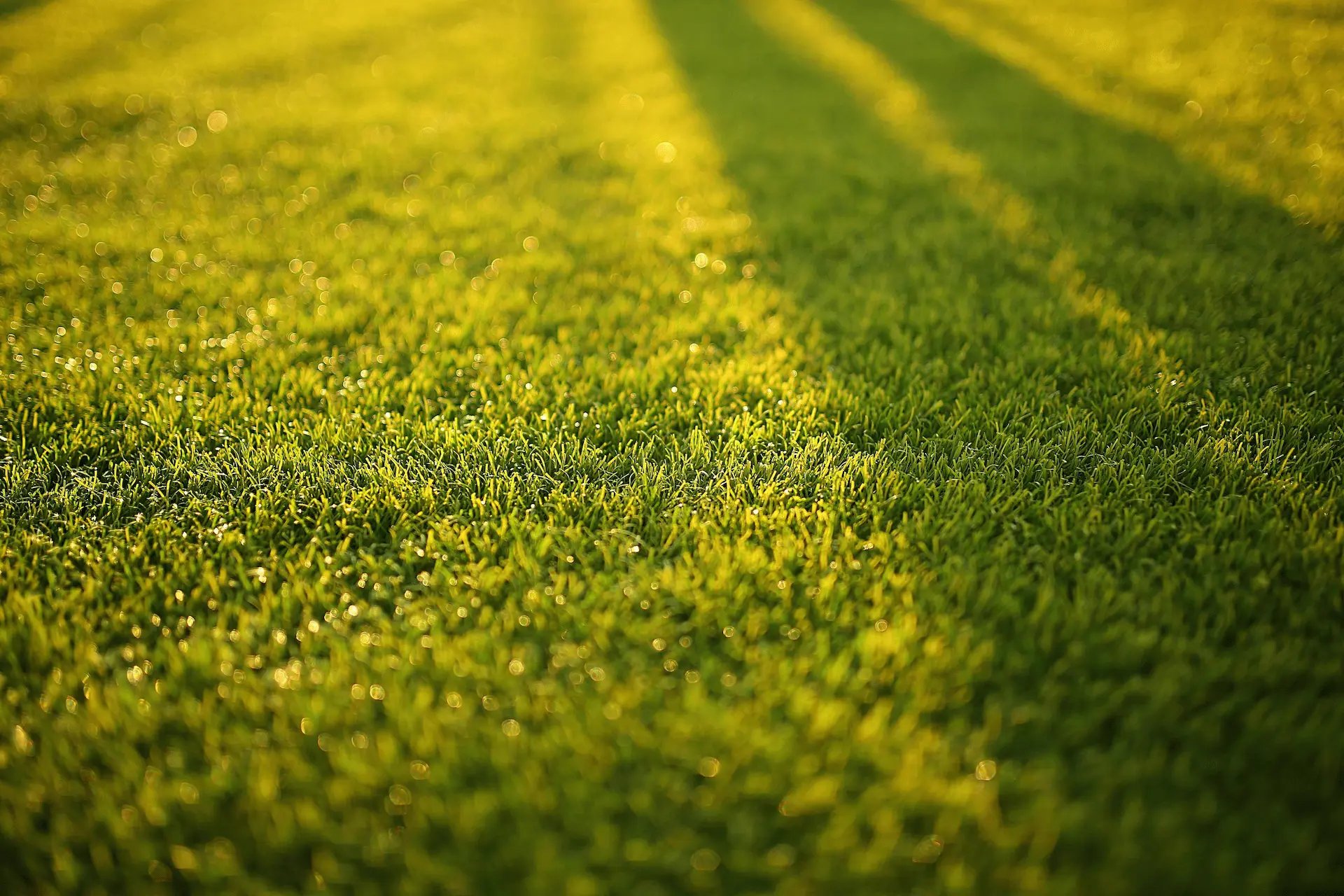
A thirsty front lawn is one of the biggest water users on any Modesto property — and in a climate that bakes past 100°F all summer, it's also one of the hardest things to keep looking good. The good news: a drought-tolerant front yard can look better than a lawn, slash your water use, and need a fraction of the upkeep. Here are practical, attractive ideas built for the Modesto area.
"Drought-tolerant" doesn't mean a yard of gravel and a lone cactus. Done well, it's a layered, colorful, low-water landscape — sometimes called xeriscaping — that holds up to our heat and looks sharp year-round. The key is choosing the right plants, materials, and irrigation for Modesto's conditions.
Why go drought-tolerant in Modesto?
- Lower water bills. Lawns are the thirstiest thing in most yards. Replacing turf with low-water plants and hardscape can cut outdoor water use dramatically — often by more than half.
- Less maintenance. No weekly mowing, far less fertilizing, fewer sprinkler repairs.
- Heat resilience. Native and Mediterranean plants are built for long dry summers and shrug off the heat that fries a traditional lawn.
- Possible rebates. California water agencies have, at various times, offered turf-replacement rebates. Programs change, so always confirm current availability and terms before counting on one.
Idea 1: Replace the lawn with artificial turf
If you love the look of a clean green lawn but hate the water, mowing, and brown summer patches, artificial turf is the most popular swap we install. Modern turf looks remarkably real, stays green through every 105°F day, needs zero irrigation, and handles kids, pets, and foot traffic. It pairs beautifully with a border of low-water plants so the yard still feels alive rather than plastic.
For a Modesto-area front yard, turf shines because it eliminates the single biggest water draw while keeping that tidy, usable green space. Quality matters — good infill and a proper compacted base keep it cool underfoot and draining well, which is exactly the kind of install that lasts on the clay soils in many Modesto yards.
Idea 2: Plant a low-water, high-color garden
You don't need grass to have a beautiful, living front yard. These plants thrive in Modesto's zone 9b heat with minimal water once established:
| Plant type | Good picks for Modesto | Why it works here |
|---|---|---|
| Flowering shrubs | Lantana, rockrose, Texas sage, oleander | Bloom for months, sail through triple-digit heat |
| Grasses | Deer grass, blue fescue, fountain grass | Movement and texture, almost no water once set |
| Succulents / accents | Agave, aloe, red yucca, sedum | Sculptural, store their own water |
| California natives | Manzanita, ceanothus (CA lilac), salvia | Adapted to our dry summers; support pollinators |
| Color & herbs | Lavender, rosemary, California poppy | Fragrant, drought-hardy, and bee-friendly |
Group plants by water need
A core xeriscape principle is "hydrozoning" — grouping plants with similar water needs together so you can irrigate efficiently instead of overwatering the tough plants to keep the thirstier ones alive. Put the lowest-water natives and succulents in the hot, sunny strips and reserve any slightly thirstier color for one defined bed.
Idea 3: Use hardscape and gravel smartly
Hardscape stretches your planting budget, cuts water to zero on that footprint, and gives the yard structure:
- Decomposed granite (DG) pathways — warm, natural look that drains well and stays permeable.
- Gravel and rock beds in tans and grays that complement Modesto-area homes.
- Flagstone or pavers for a front walkway or a small seating nook.
- Boulders and dry creek beds that add height and channel the occasional winter downpour.
The trick is balance — aim for a mix of hardscape and planting so the yard reads as a designed landscape, not a parking lot. A common, attractive split is roughly one-third hardscape, two-thirds plants and turf.
Idea 4: Mulch deeply and irrigate with drip
Two finishing moves make or break a low-water yard in our heat:
- Mulch, 2–3 inches deep, over all planted areas. Mulch is the cheapest water-saver there is — it shades the soil, slashes evaporation, and smothers weeds. Reapply as it breaks down.
- Drip irrigation instead of spray. Drip delivers water straight to each plant's roots with almost no evaporation loss — far more efficient than spraying the Modesto air at noon. Put it on a timer set for early morning and you'll use a fraction of the water a lawn demands.
What it looks like put together
A typical Modesto drought-tolerant front yard might combine a clean rectangle of artificial turf for usable green space, a DG path to the door, a gravel bed of agave and red yucca in the hottest corner, a flowering border of lantana and salvia along the walk, all topped with bark mulch and watered by a single drip line on a morning timer. The result: green and alive all year, a fraction of the water, and almost no mowing.
Frequently asked questions
What is the best drought-tolerant option for a Modesto front yard?
It depends on how you use the space. If you want a clean, usable green area, artificial turf eliminates the biggest water draw while staying green through 100°F+ summers. For curb appeal and pollinators, a low-water garden of natives, succulents, and flowering shrubs over mulch with drip irrigation is ideal. Most great yards combine both.
Are there rebates for replacing my lawn in Modesto?
California water agencies have offered turf-replacement rebates at various times, but programs, funding, and rules change frequently. Always confirm current availability, eligibility, and the rebate amount before starting your project rather than assuming a past program is still active.
Does drought-tolerant landscaping really save water?
Yes, significantly. A traditional lawn is usually the thirstiest part of a property. Replacing turf with low-water plants, hardscape, and drip irrigation — finished with deep mulch — commonly cuts outdoor water use by more than half, and artificial turf drops irrigation on that area to essentially zero.
What plants survive Modesto's hot summers with little water?
Lantana, rockrose, Texas sage, lavender, rosemary, and salvia all bloom through the heat; agave, aloe, and red yucca store their own water; and California natives like manzanita and ceanothus are built for our dry summers. Group them by water need and they'll thrive on minimal irrigation once established.
Will a gravel-and-plant yard look bare or harsh?
Not if it's designed in layers. The trick is mixing hardscape with plenty of planting — flowering shrubs, ornamental grasses, and sculptural succulents over mulch — rather than a flat field of rock. A common, attractive balance is about one-third hardscape to two-thirds plants and turf.